HomeContact UsDelivery PolicyPayment OptionsTerms & ConditionsView Cart


Spitfire Spares: Hangar Clearance—Up to 80% OFF

This is our big discount page where we will feature heavily discounted parts from our massive stock.

We aim to free up space in our over crowded store. Items will mostly only appear on this page for a short time.

Major Stock Reduction: Authentic WWII Spares Now Up to 80% OFF! This is a limited-time opportunity for Warbird enthusiasts and restorers.

 We are clearing out a portion of our inventory, offering original WWII aircraft components, instruments, and relics at discounts of up to 80%.

Our clearance stock is comprised of unique, genuine historical items, and it is updated constantly with fresh additions from Allied and Axis collections.

This is not static inventory. Items are sold quickly and are not restocked at this price.

Check the latest listings now to secure your parts at massive savings. When they’re gone, they’re gone for good.

To ensure you never miss a new addition or a deep discount, join our mailing list today. It’s the fastest way to receive alerts when fresh stock is added to this special clearance section.

 Click on the pictures to enlarge


.

Now £295 from £395

25.32% Off limited time offer

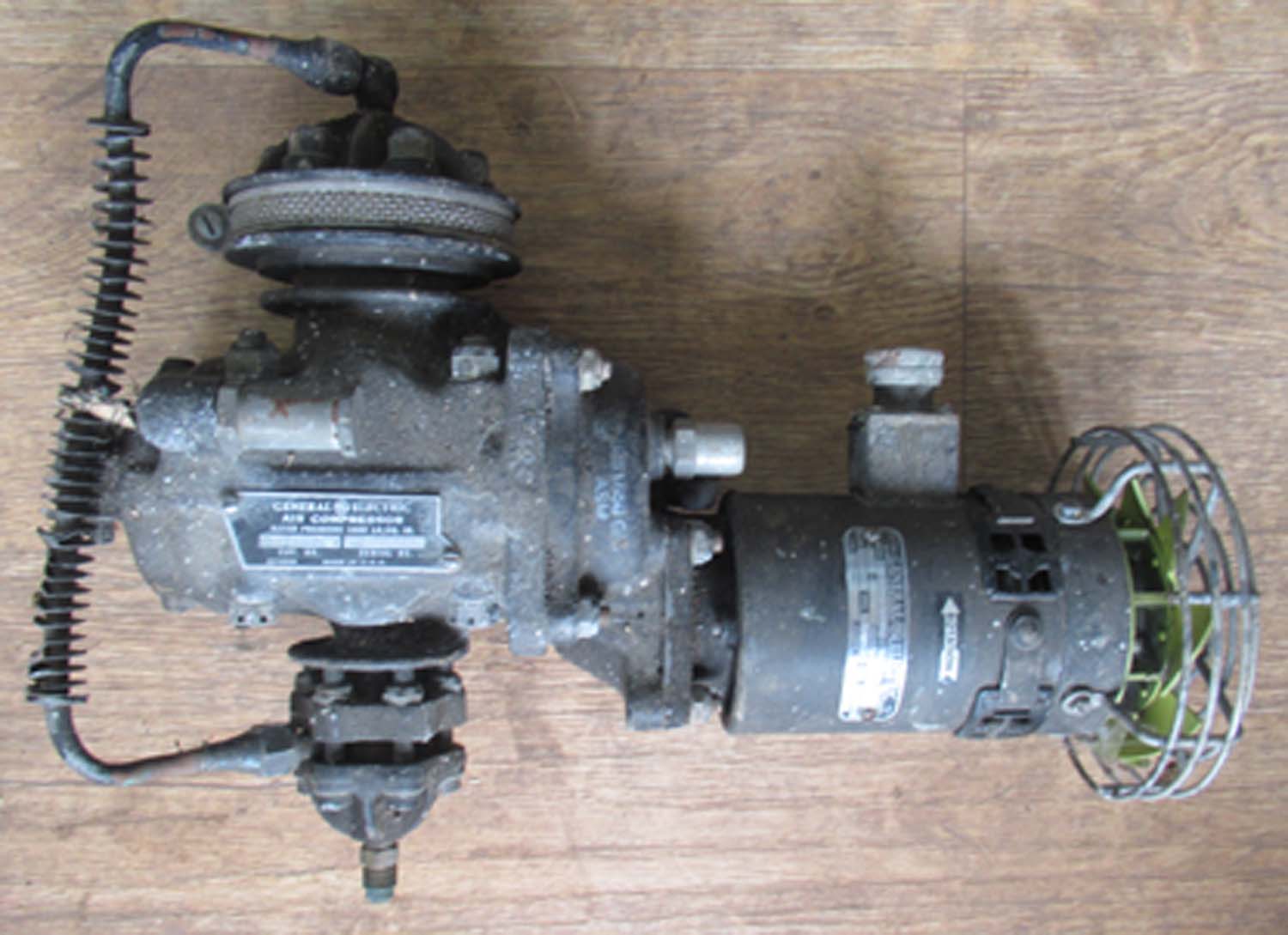
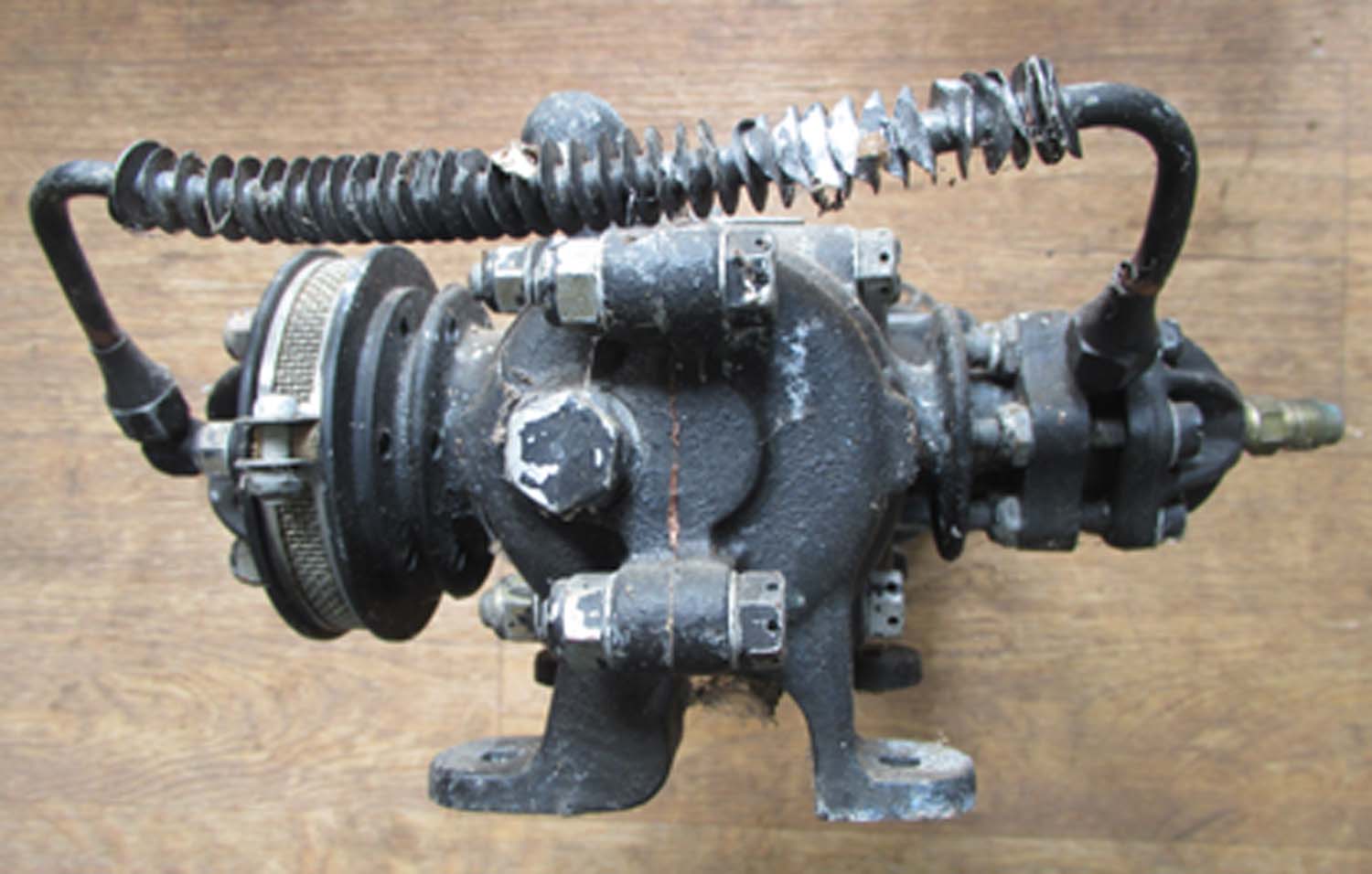
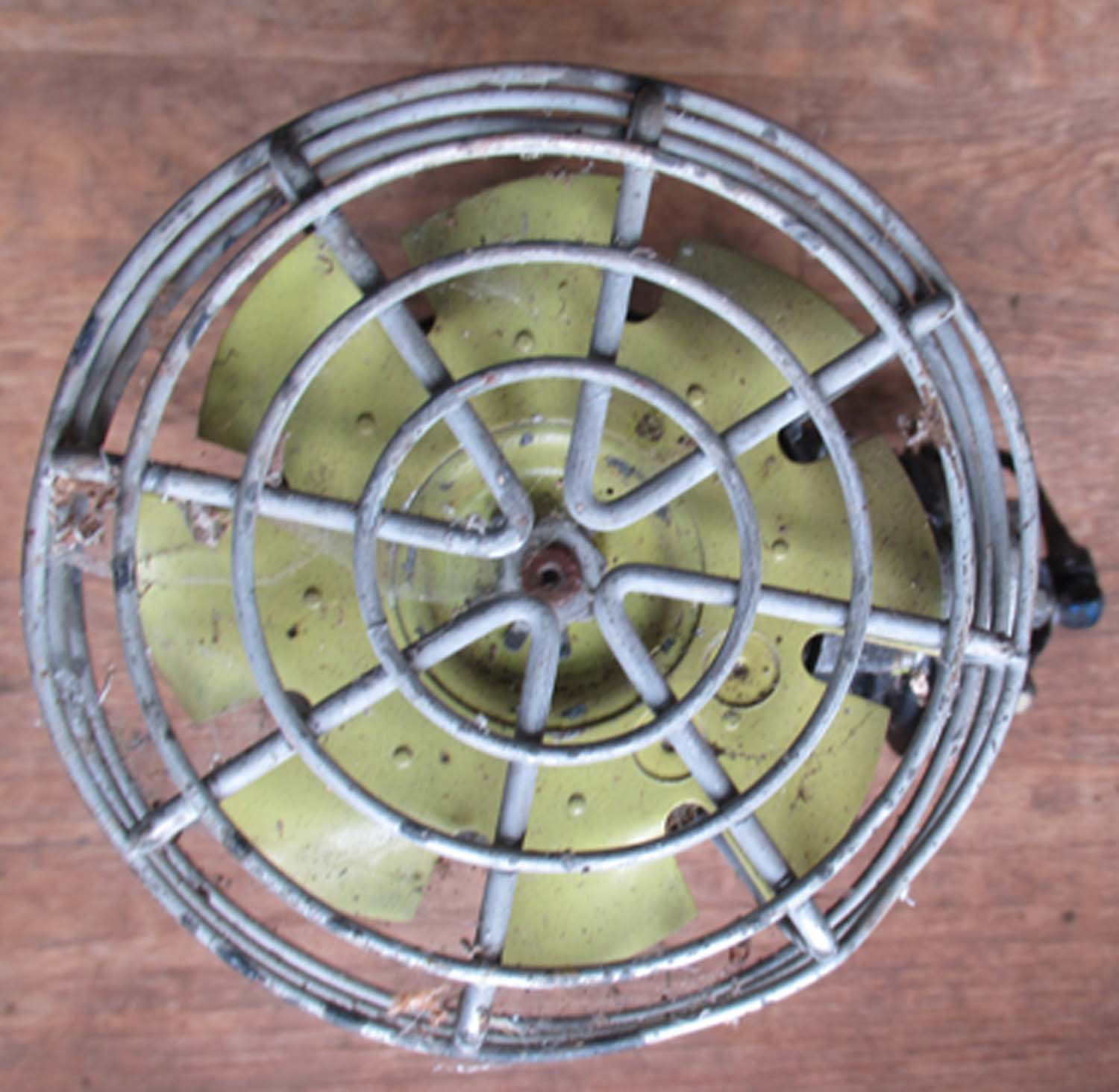
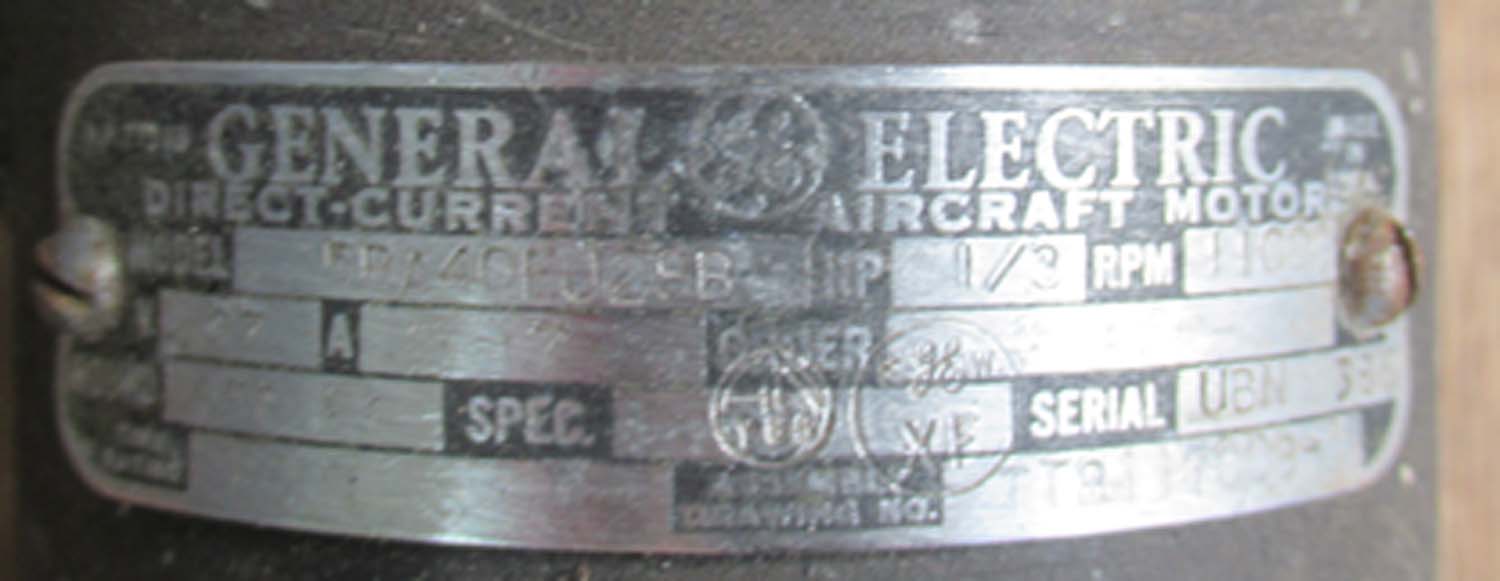
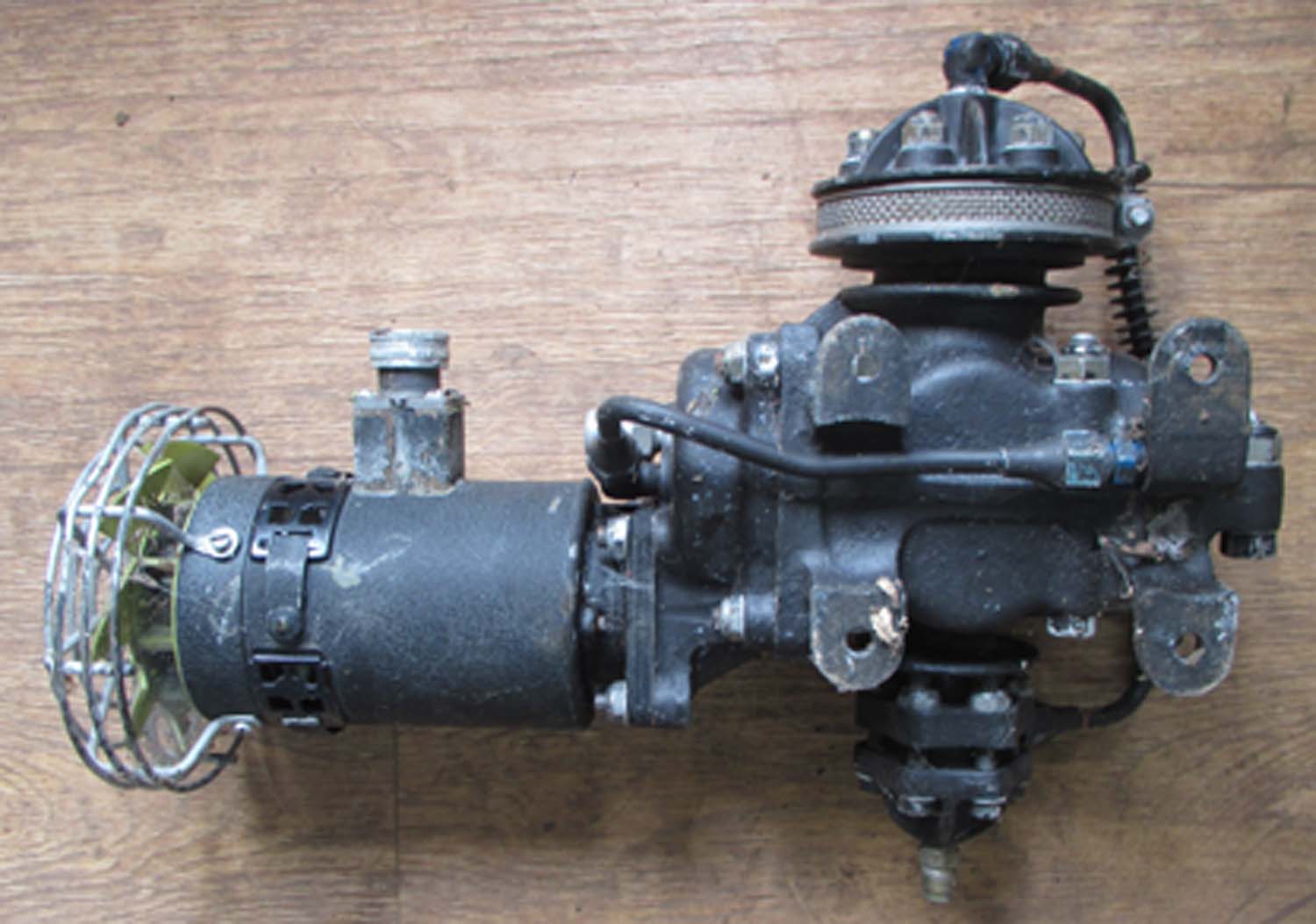
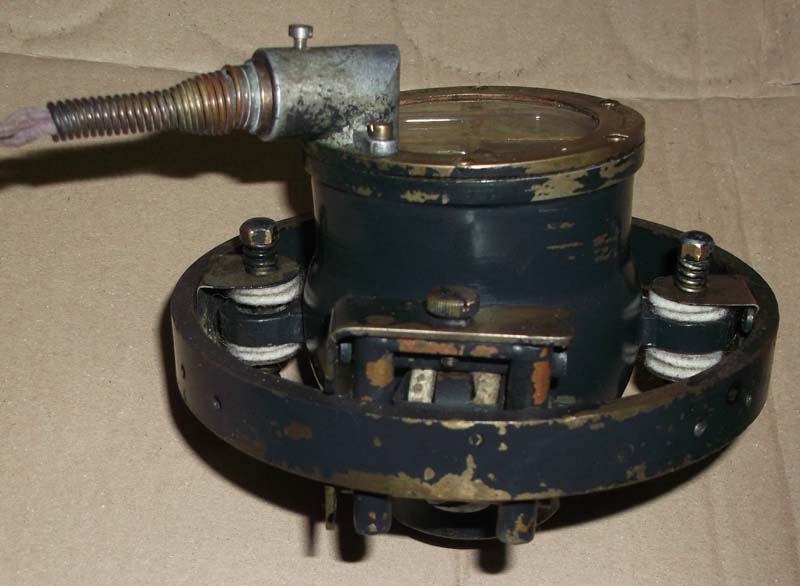
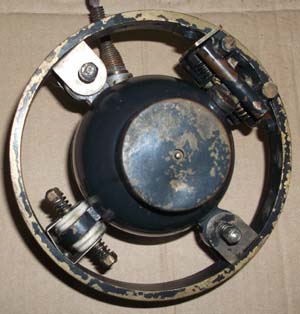
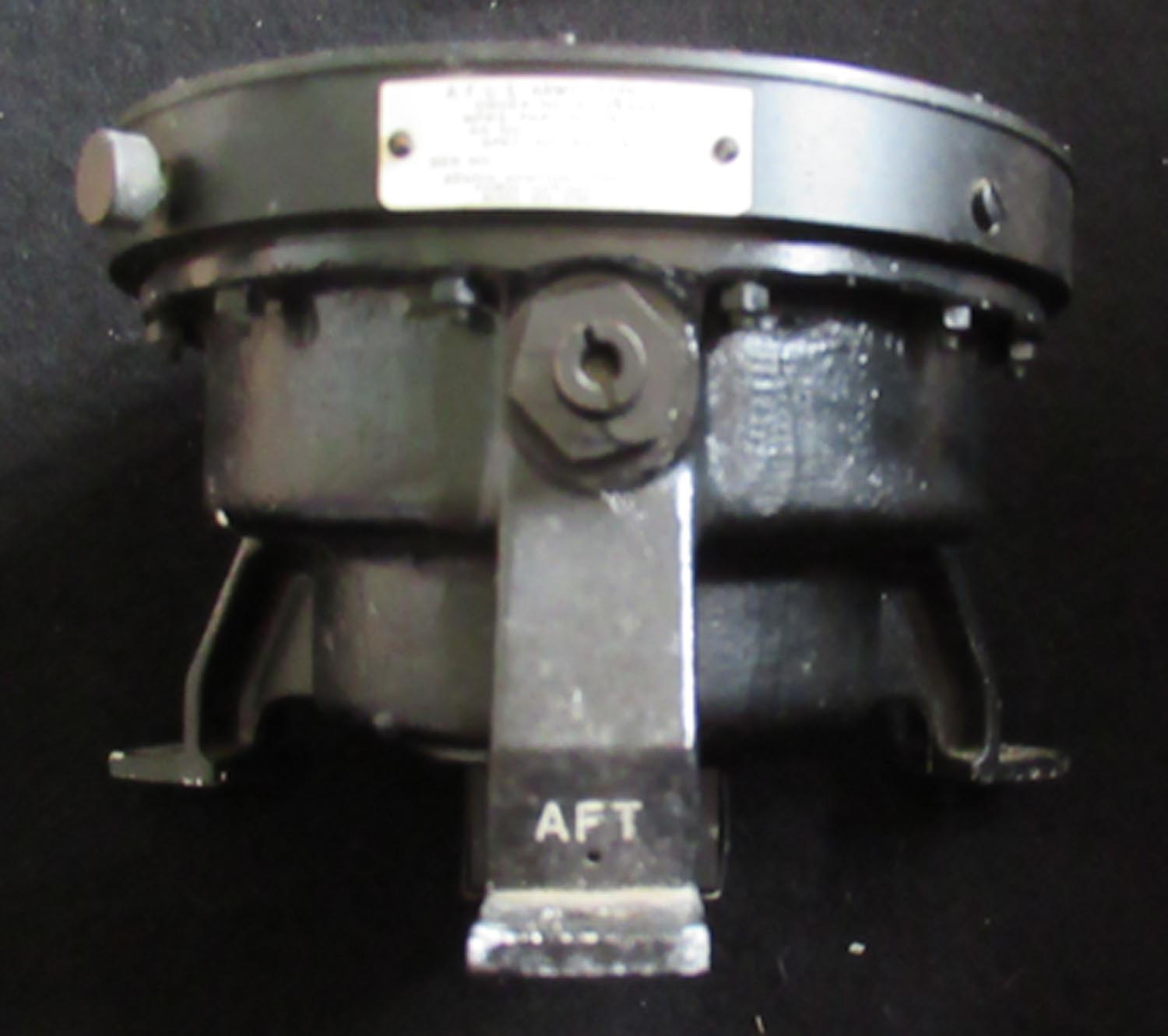
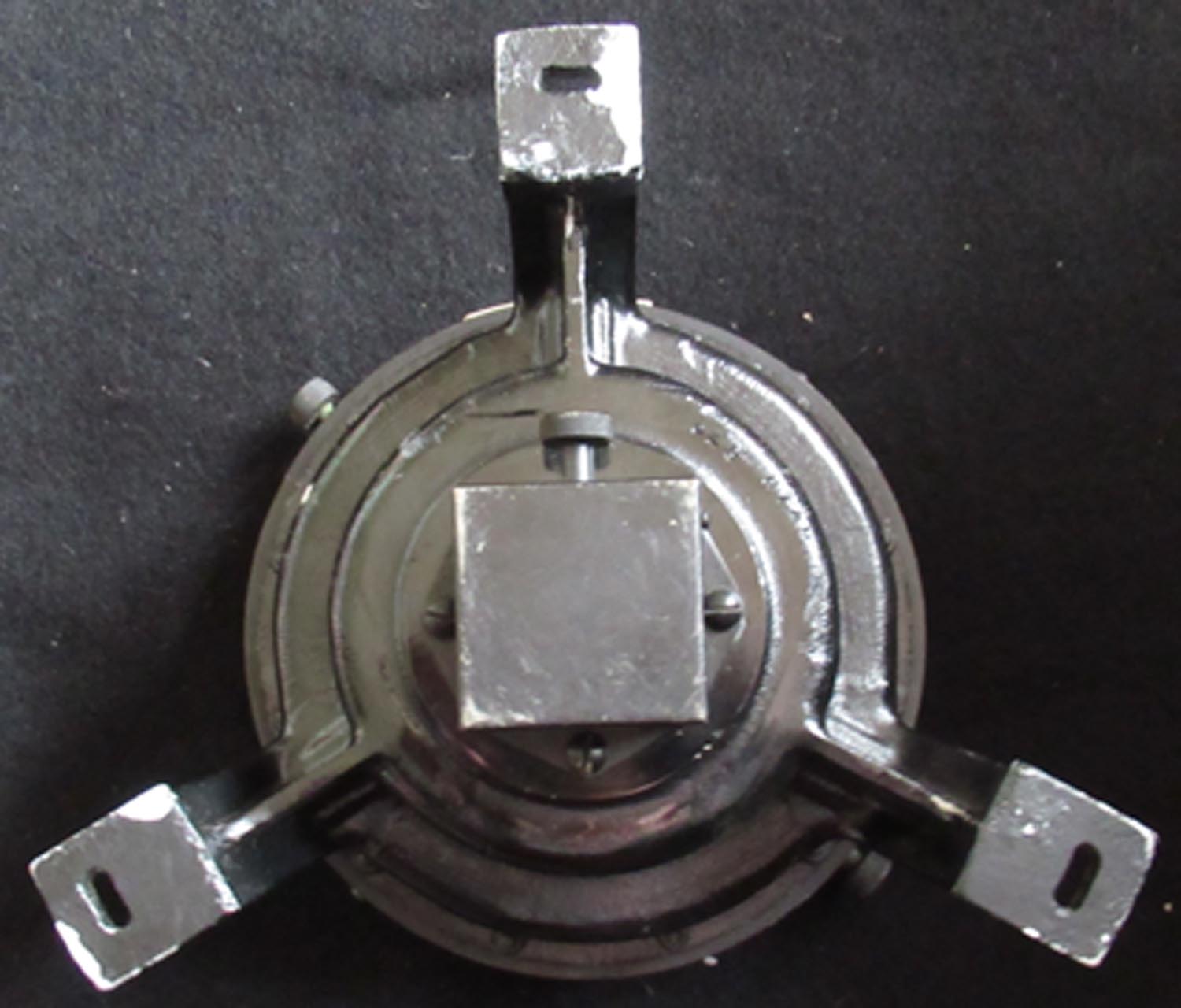
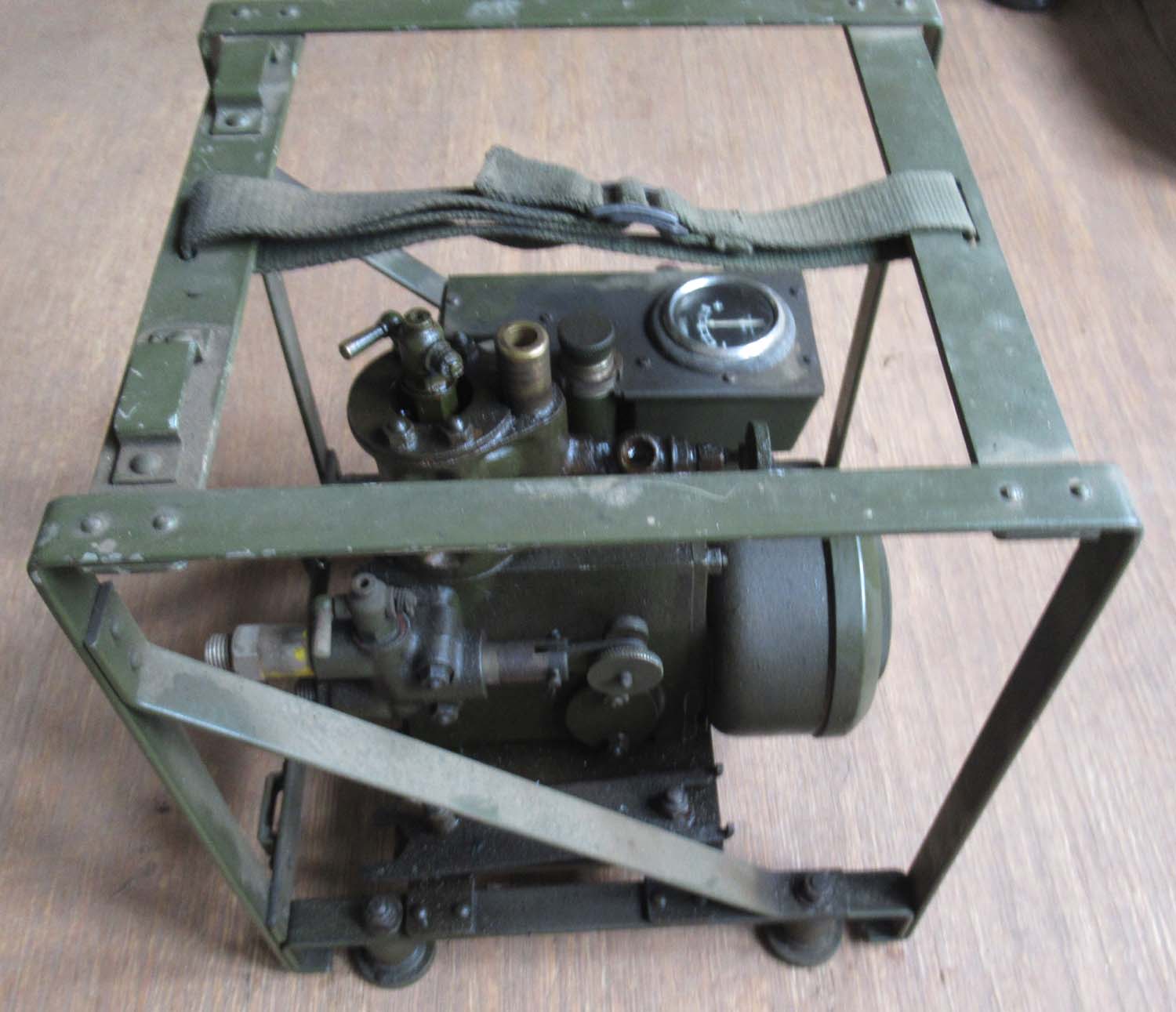
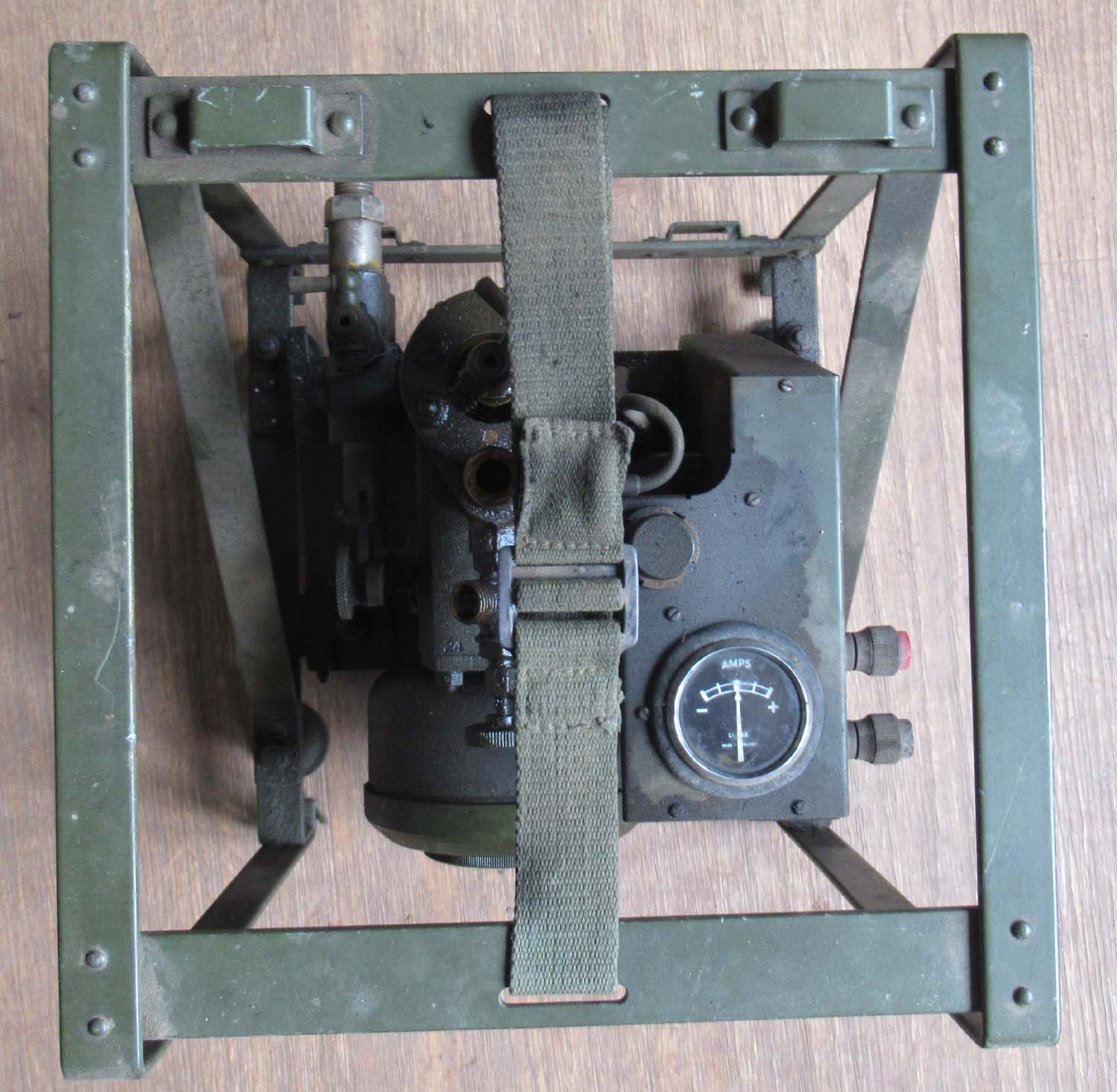
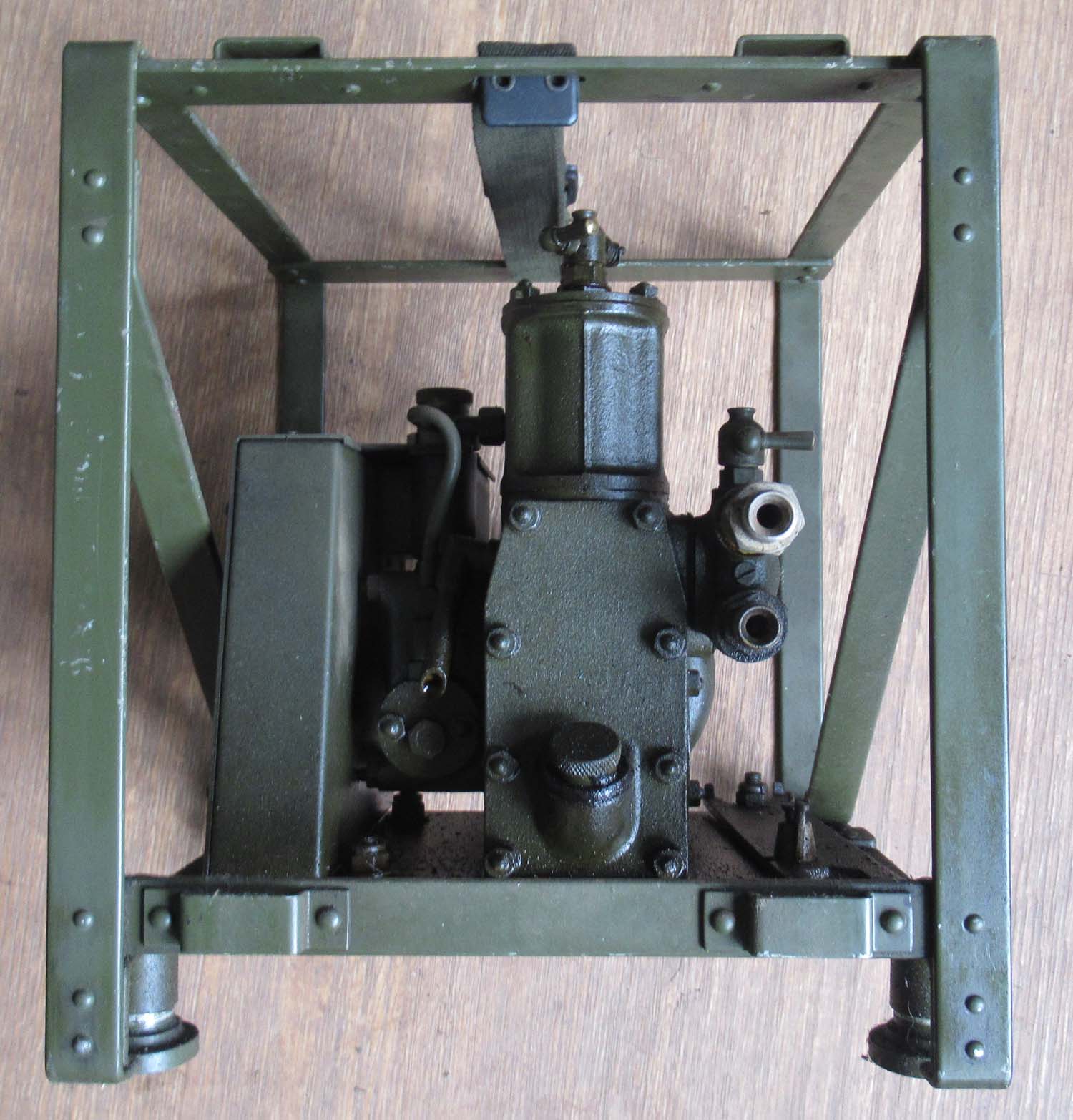
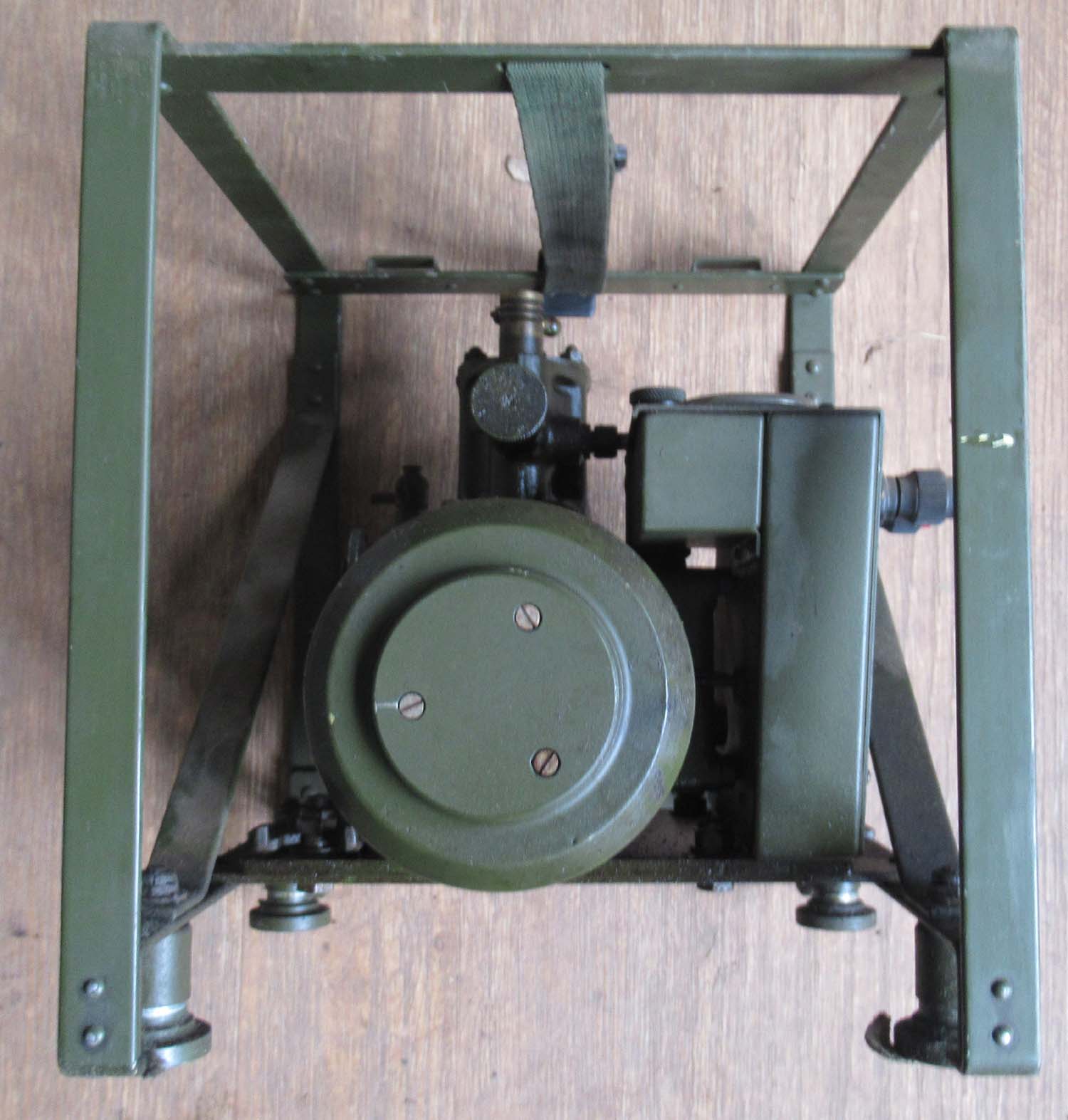
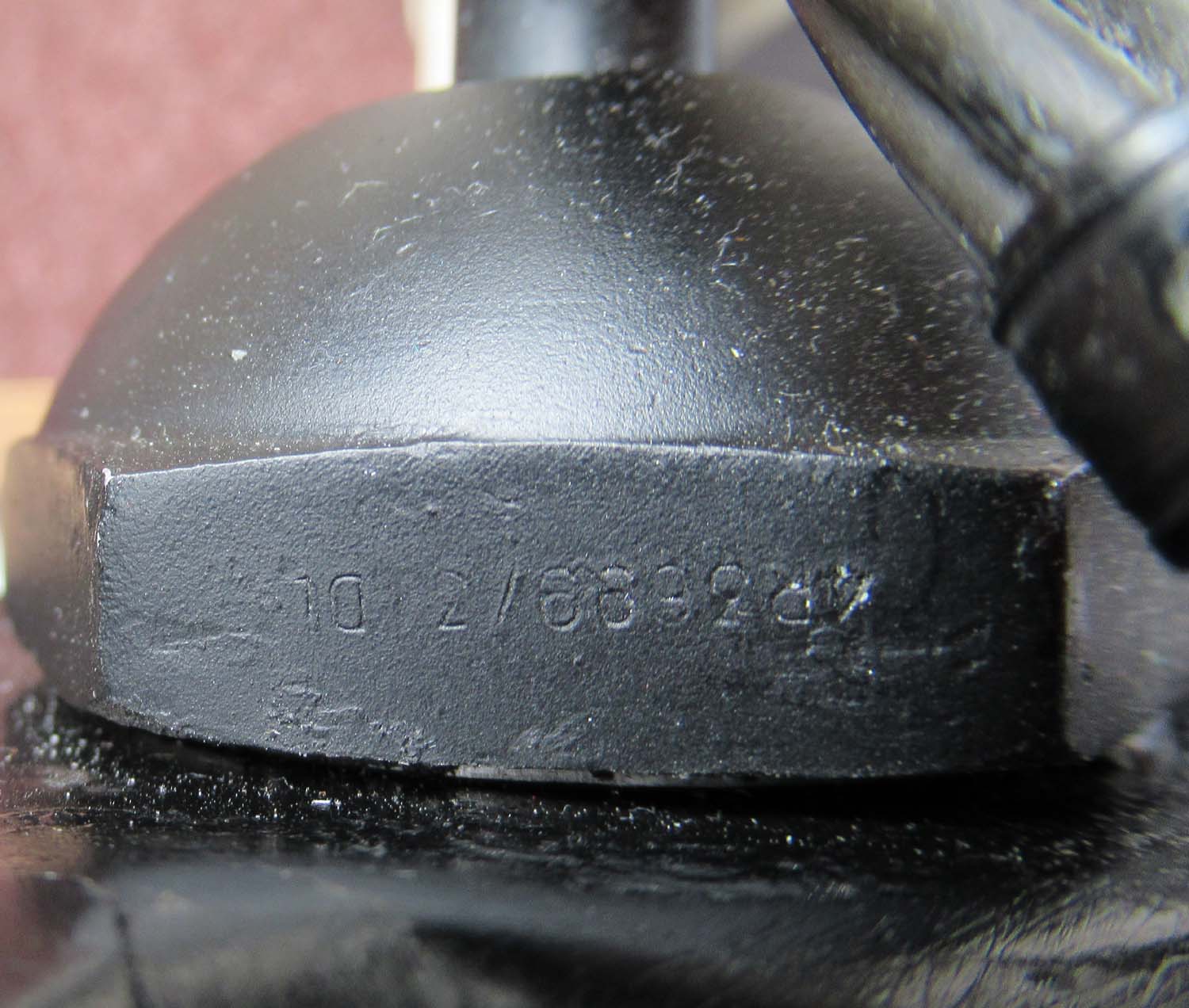
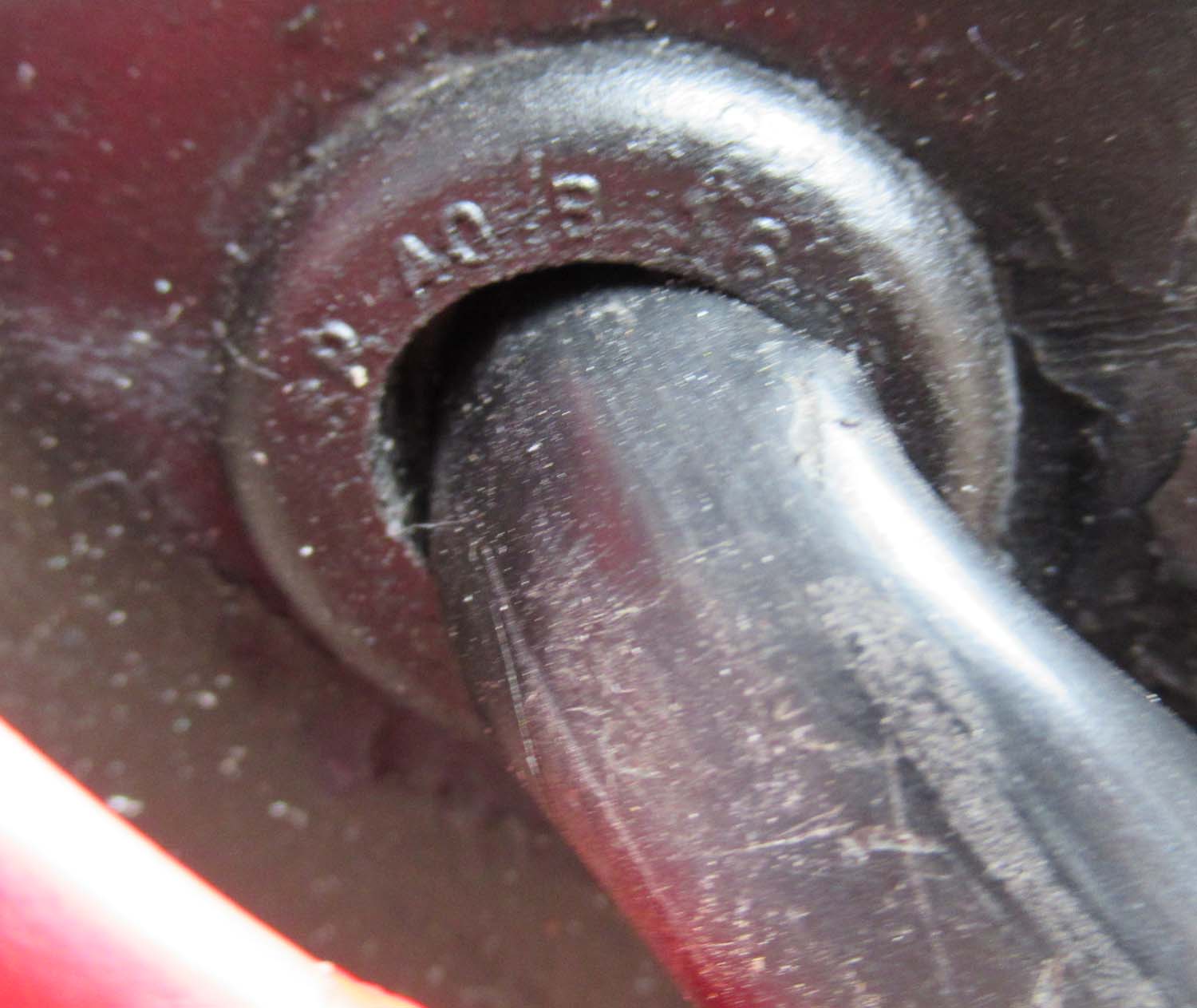
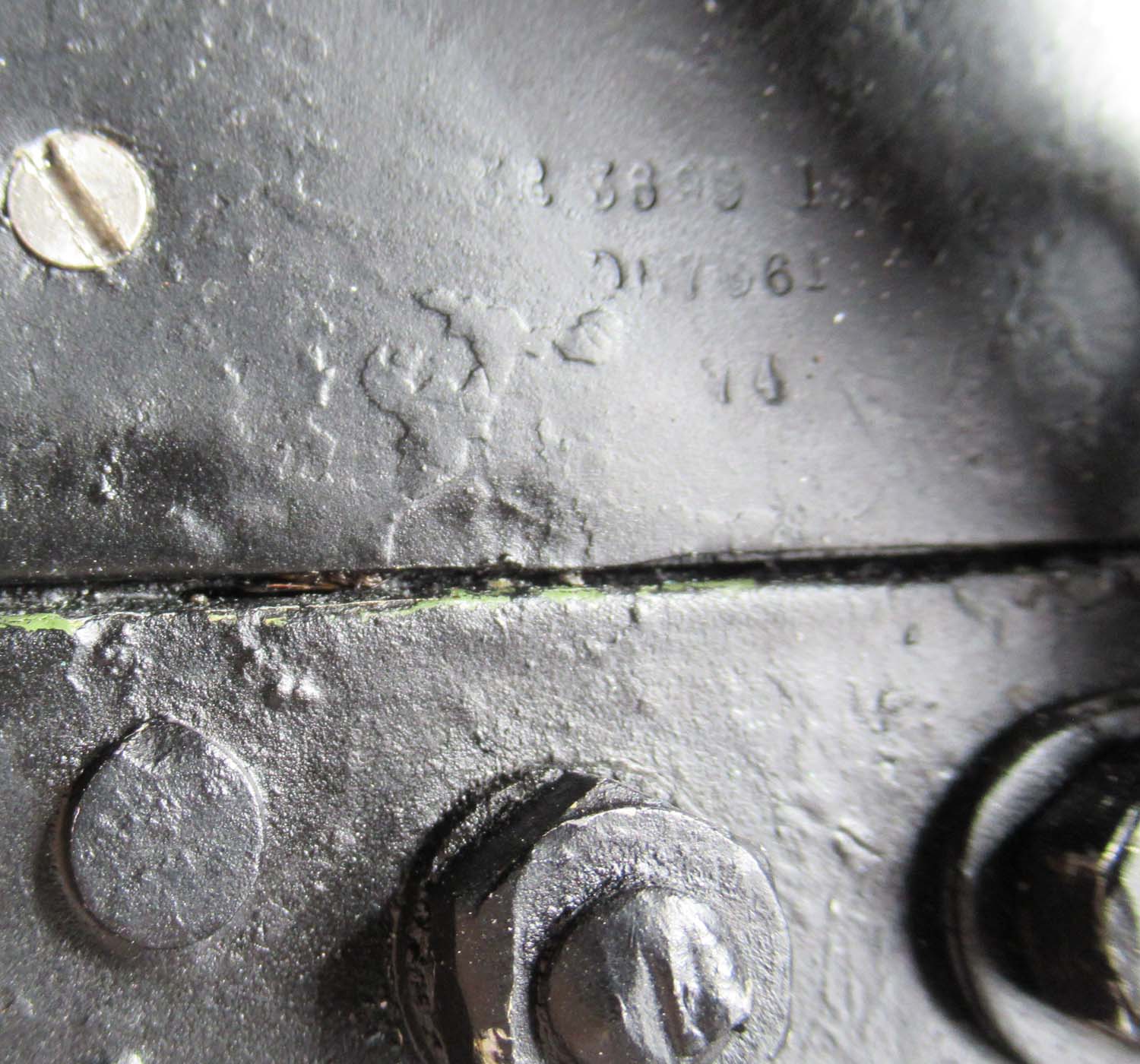
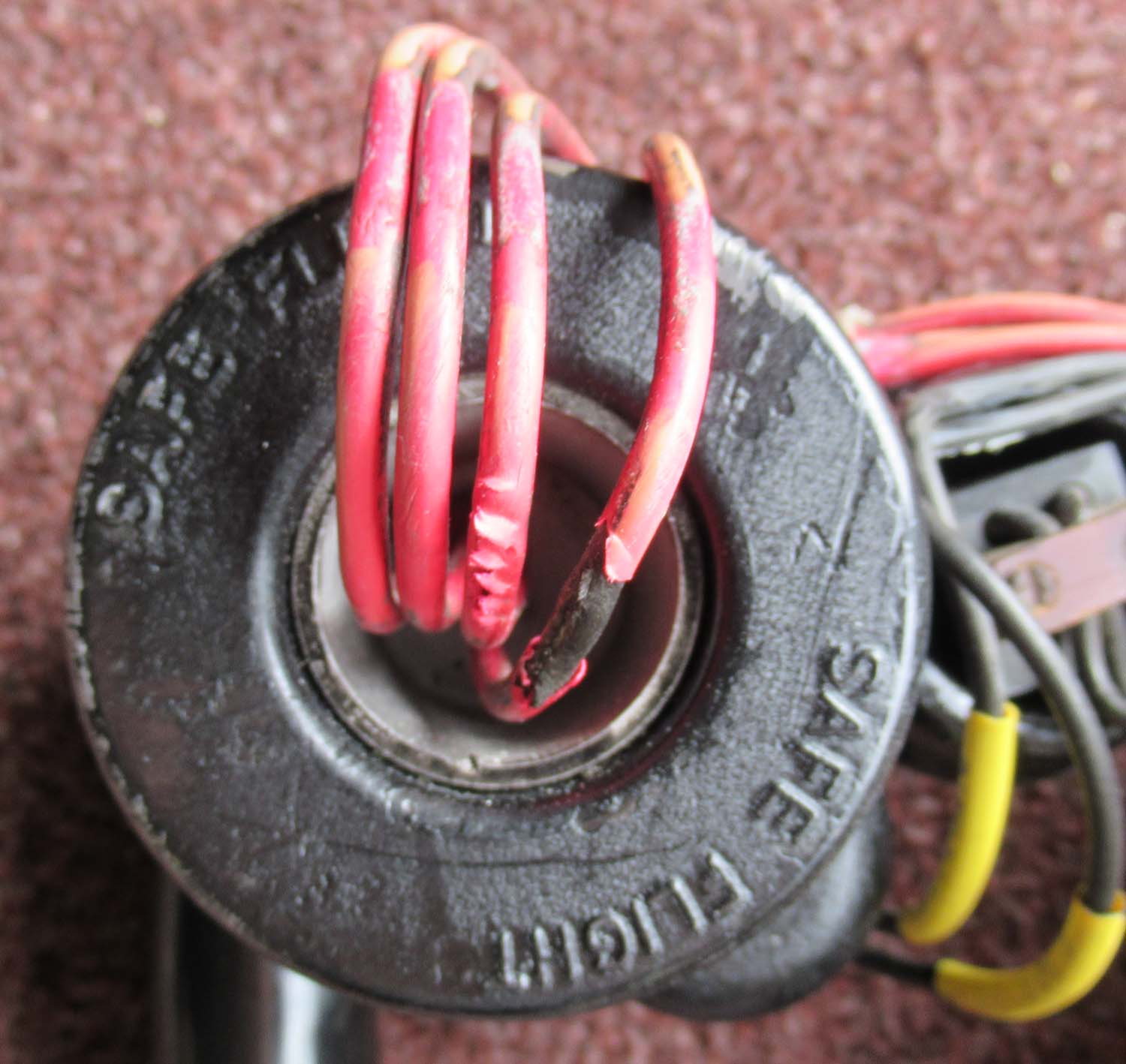
B29 Gun Turret compressor (No 92 Pg1 Arm)

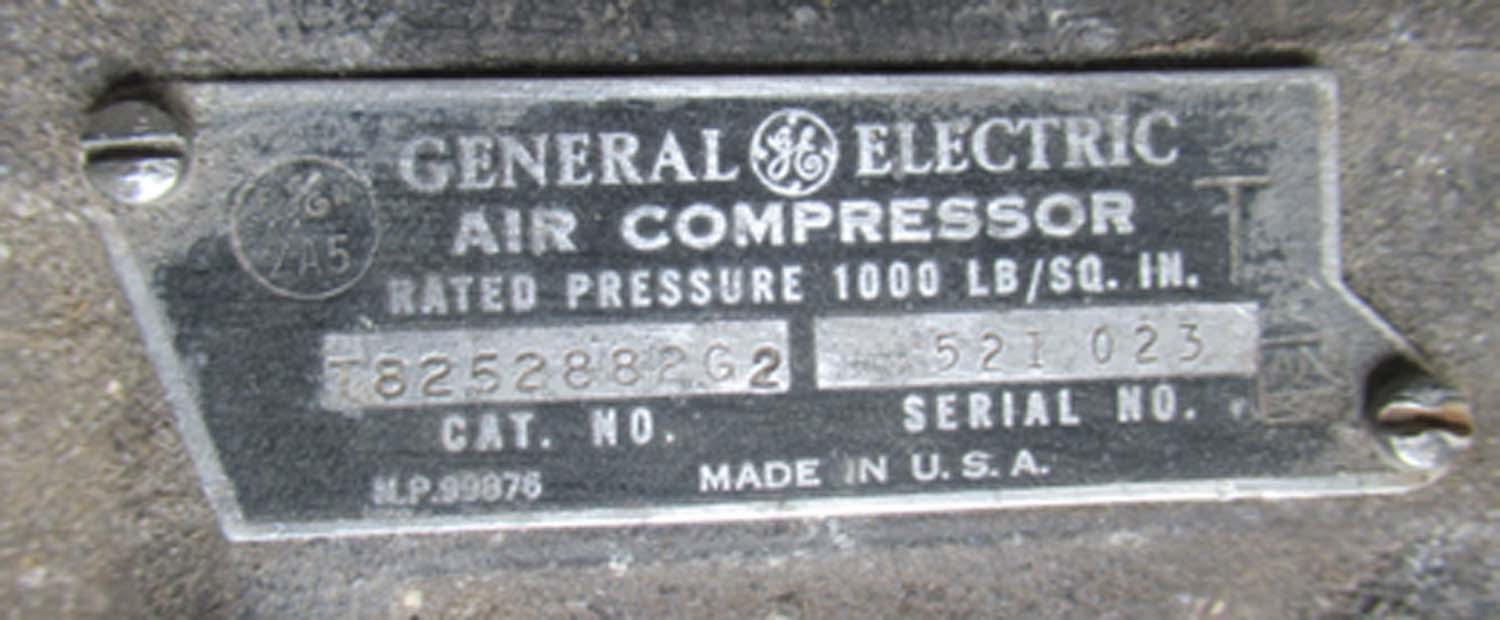
This is general electric T8252882G2 air compresso25.32% Offr used in the B29, and probably other USAAF Gun turrets. It has not been tested but appears to be in good shape and the motor turns freely.

The Boeing B-29 Superfortress was conceived as a state-of-the-art, high altitude strategic bomber.

The United States Army Air Corps saw the need for a bomber that could carry heavy bomb loads over the vast distances of the Pacific.

  In 1940, Boeing submitted an advanced design for a four-engine bomber with a pressurized fuselage.The B-29 program would become the most expensive of the war, outpacing the development of the atomic bomb by more than a billion dollars.

Delays in developing the new bomber kept it from flying in Europe but it would enter service in time to make an impact in the Pacific where it would remembered for its part in dropping the world’s first atomic bombs used in combat.

In the B29 rather than trying to pressurize a revolving turret with a gunner, the turrets were made smaller and more streamlined, with the gunner aiming and firing from inside the pressurized compartment. Locating the gunner remotely from the turrets

Click on the pictures to enlarge


£295

Overseas buyers please contact me for a shipping quote.

Click on pictures to enlarge


Now £295 form £595

50.42% off limited time offer


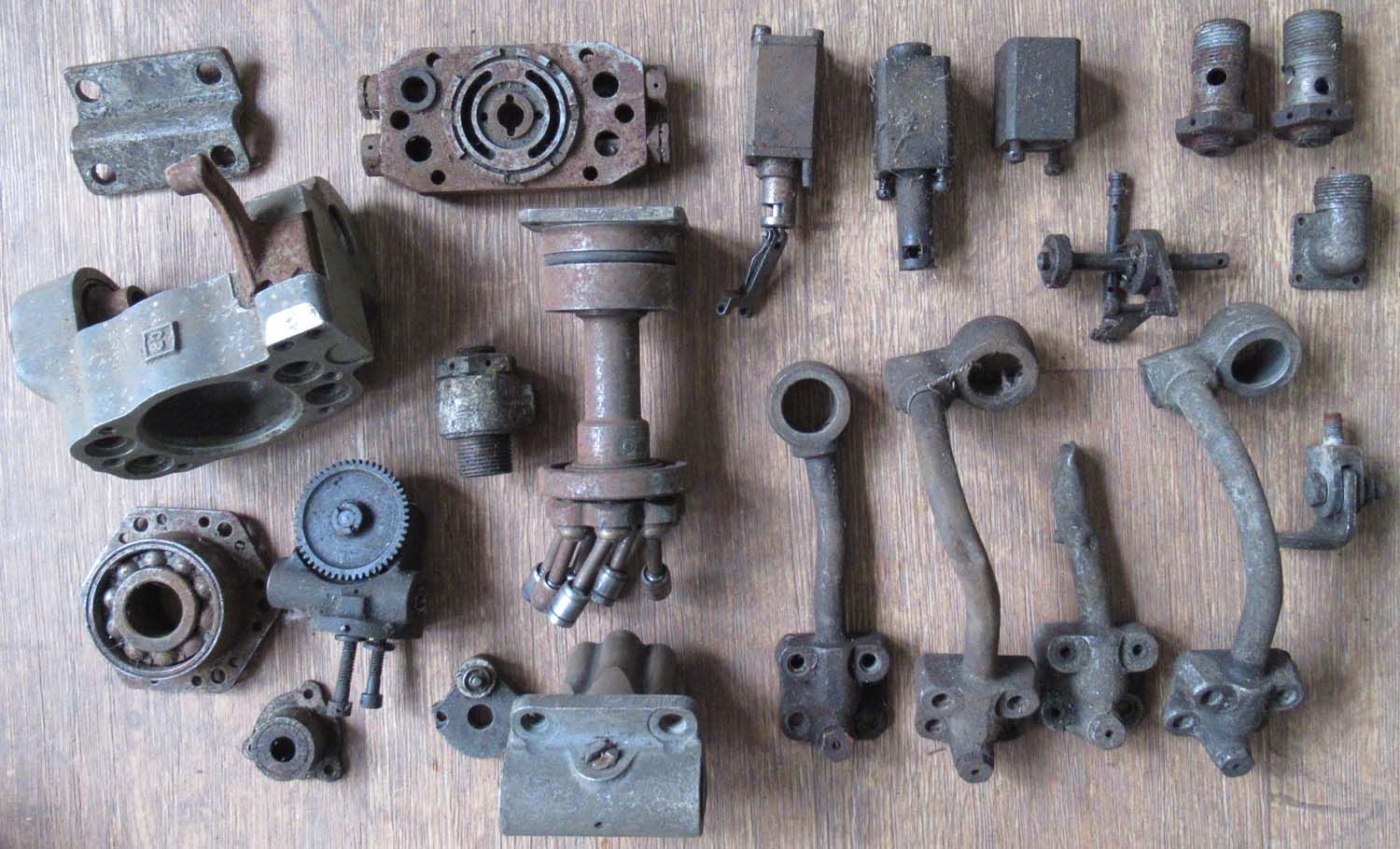
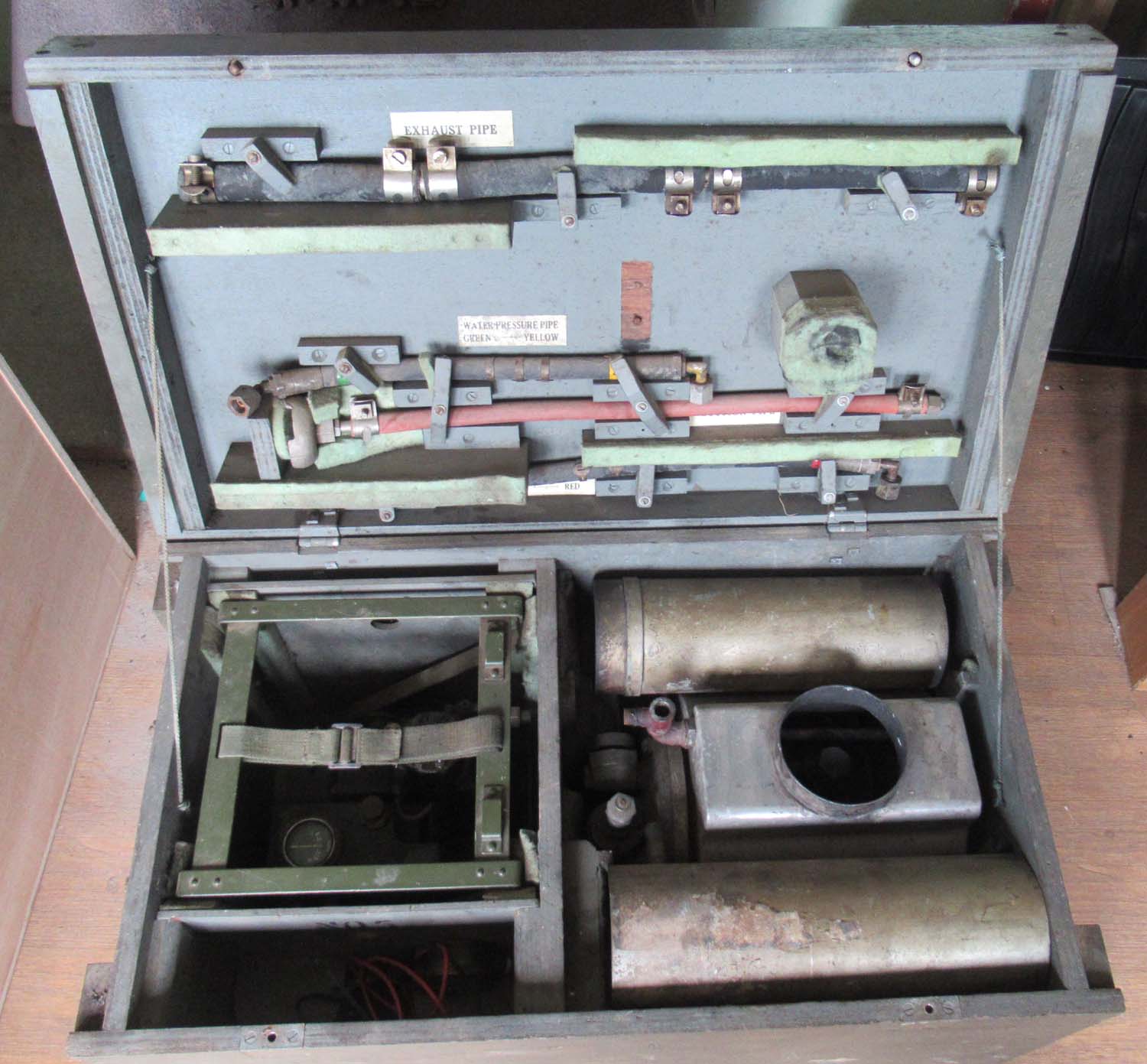
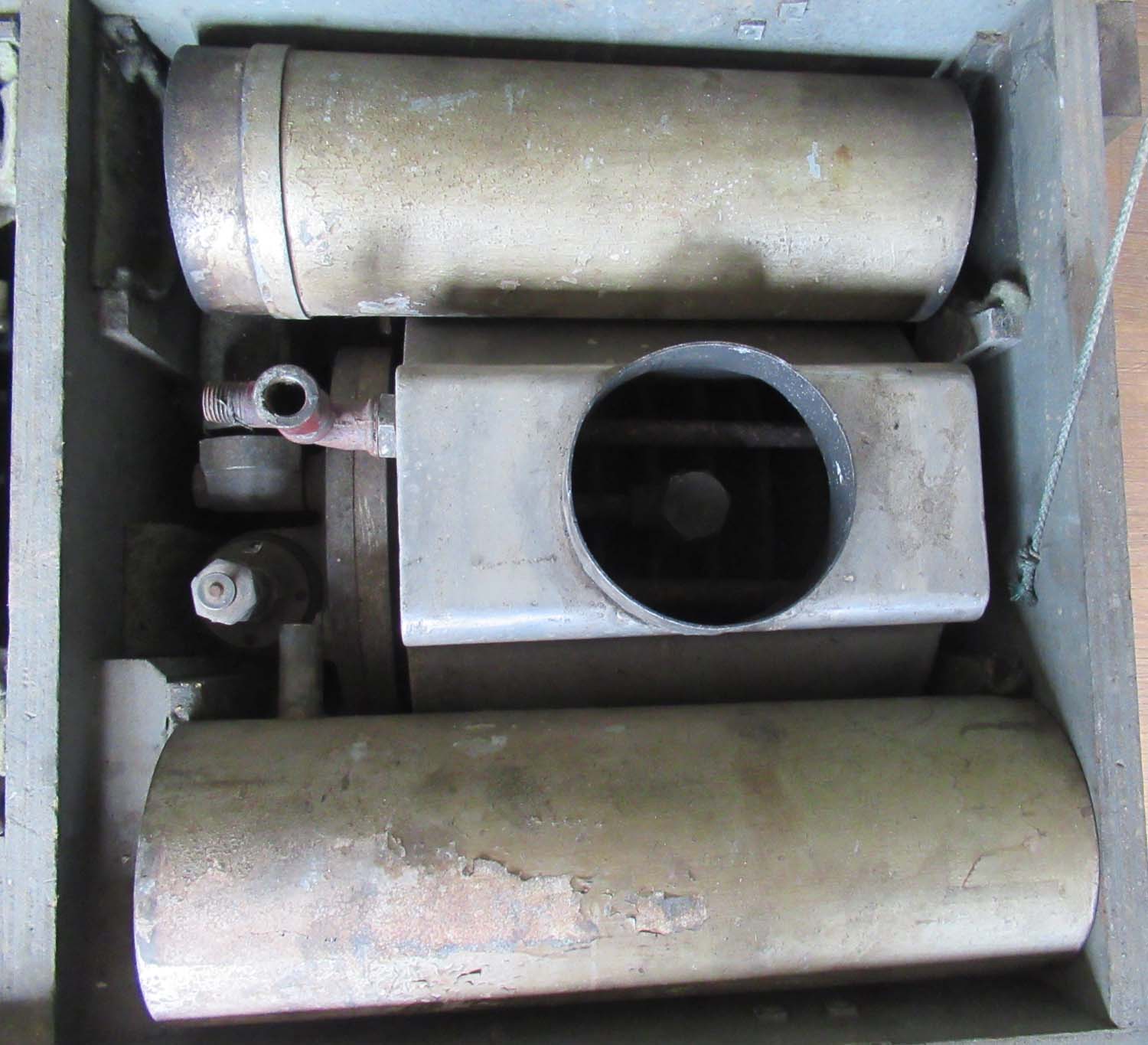
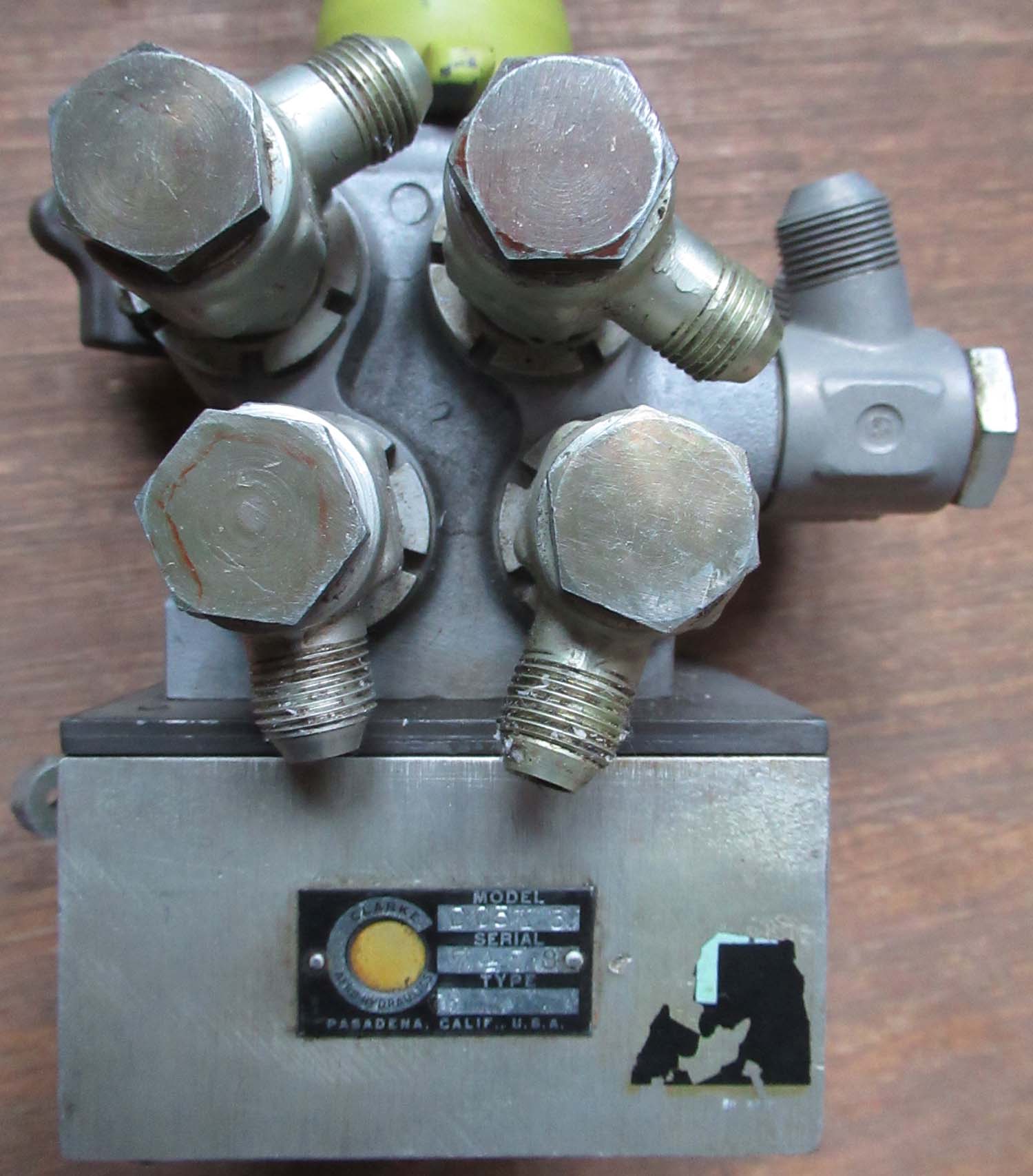
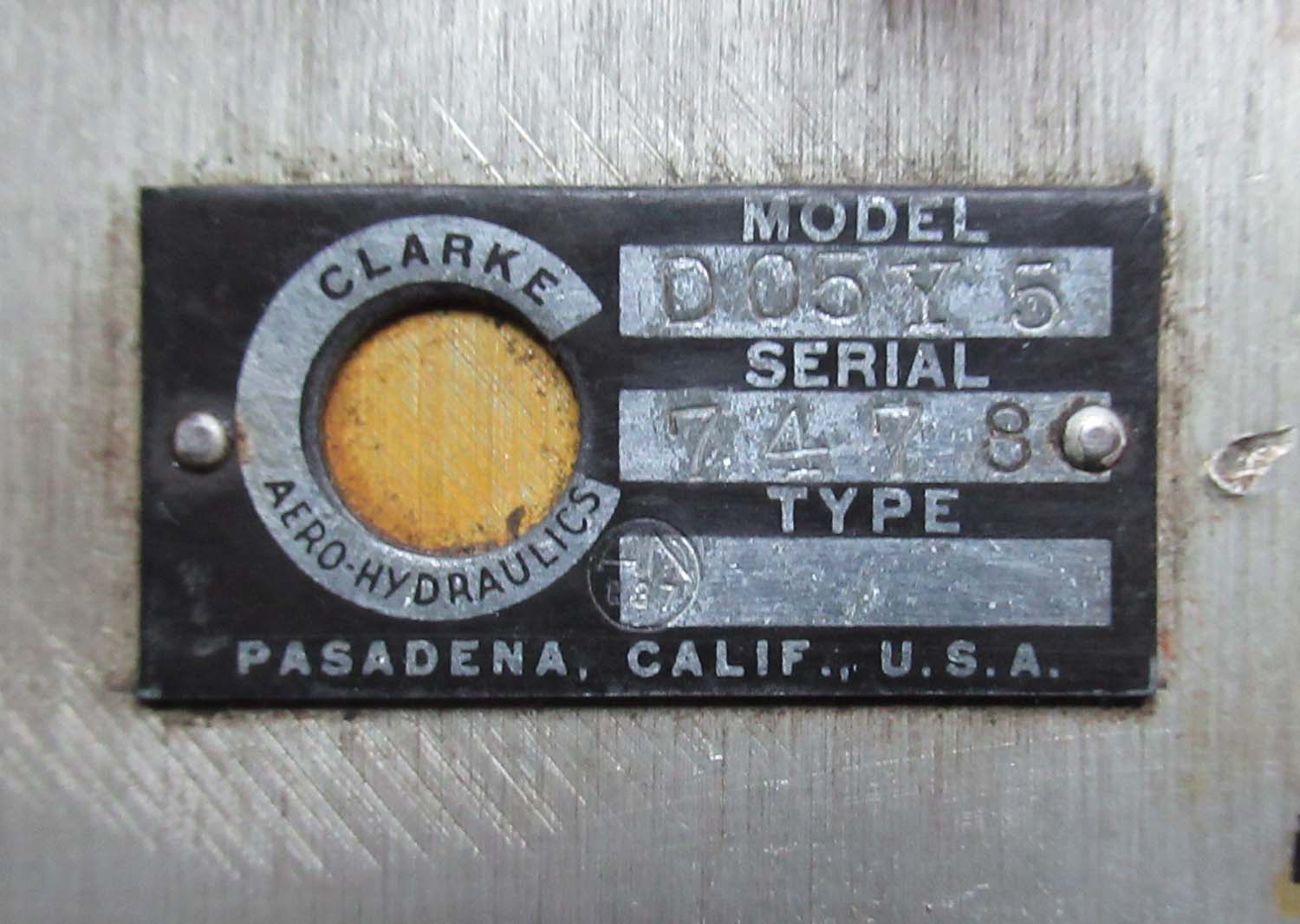
Sperry Turret Hydraulic Parts 645176 (No 1A pg1 Arm)

Here is another gem hidden away in our store for many years and uncovered as we reorganise.

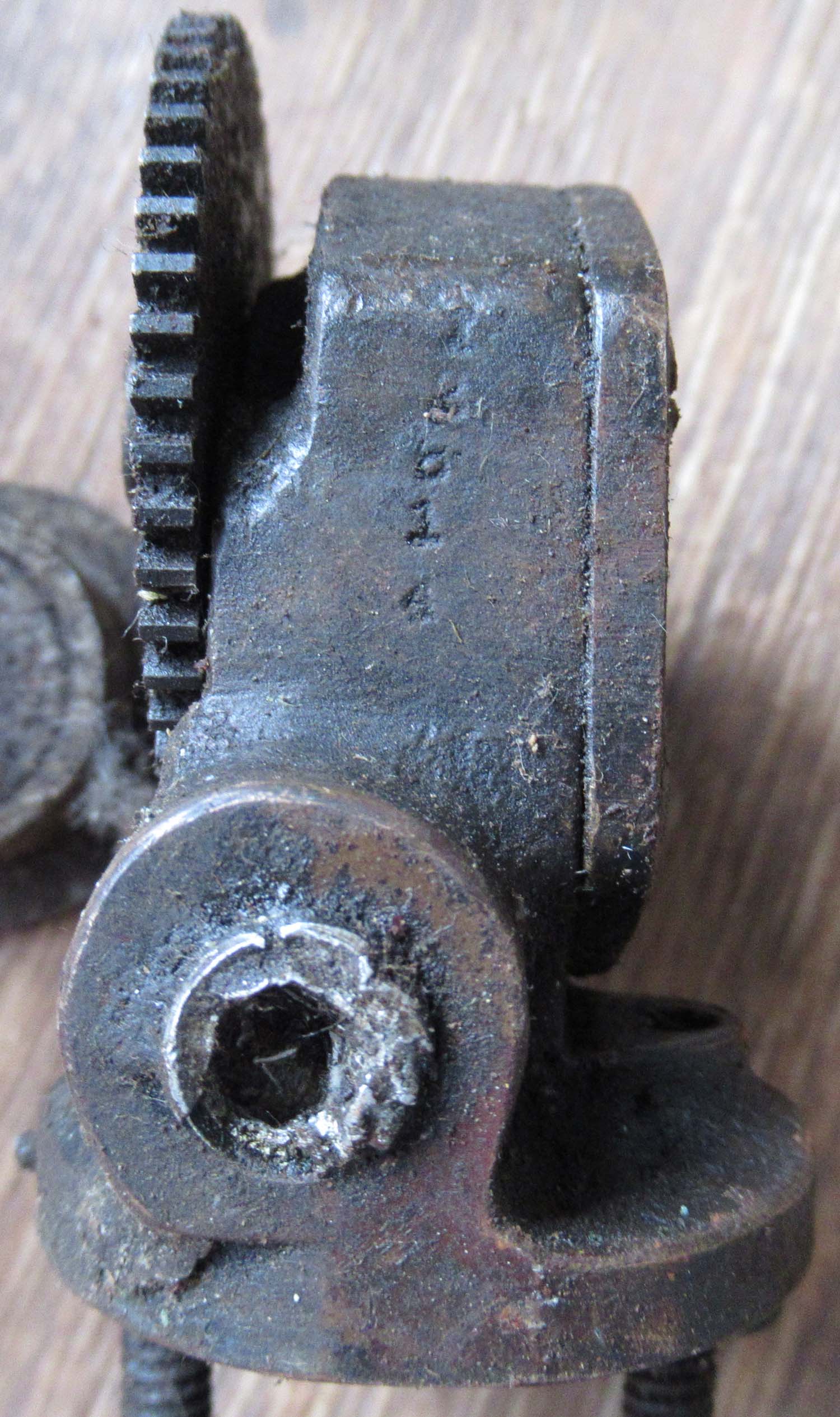
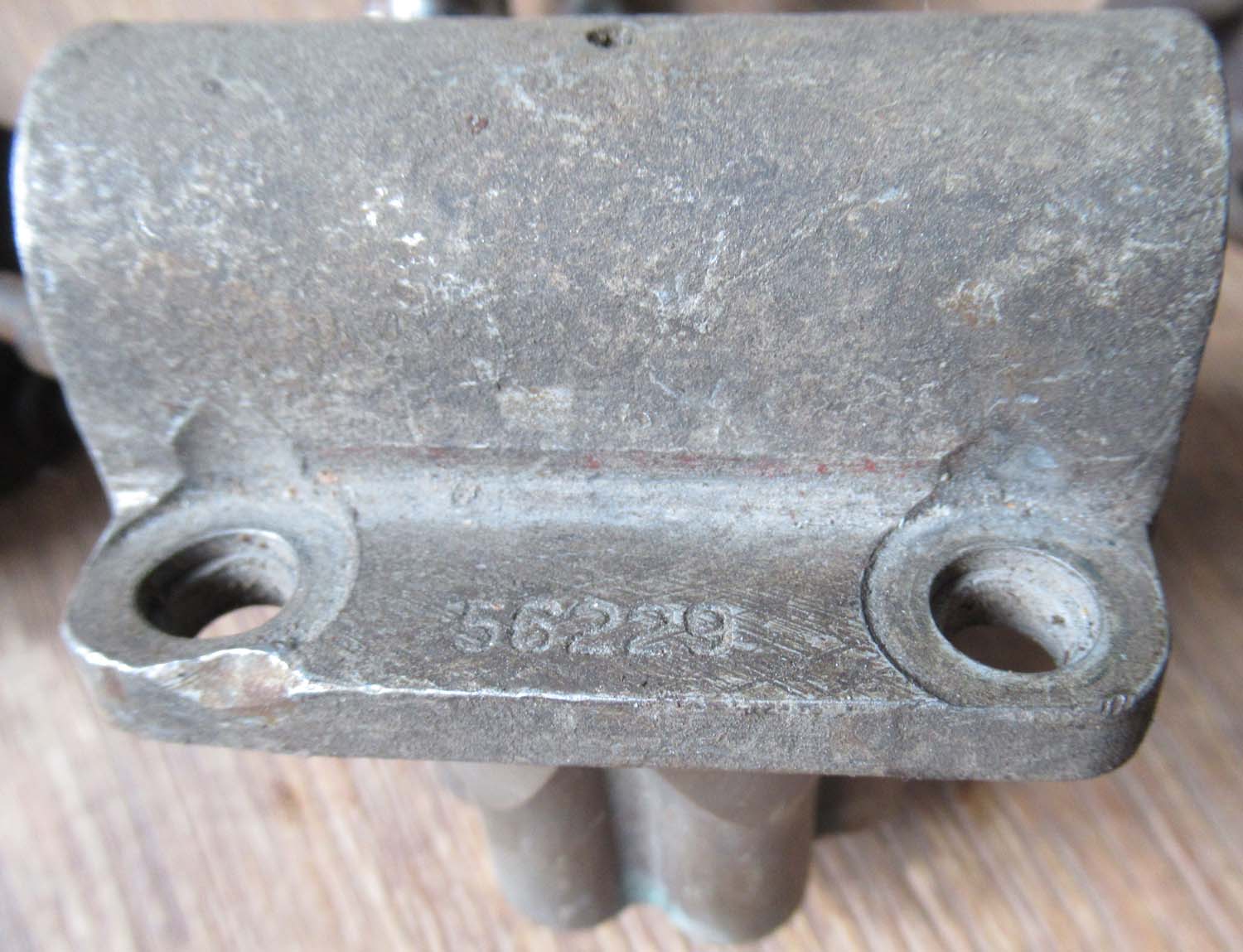
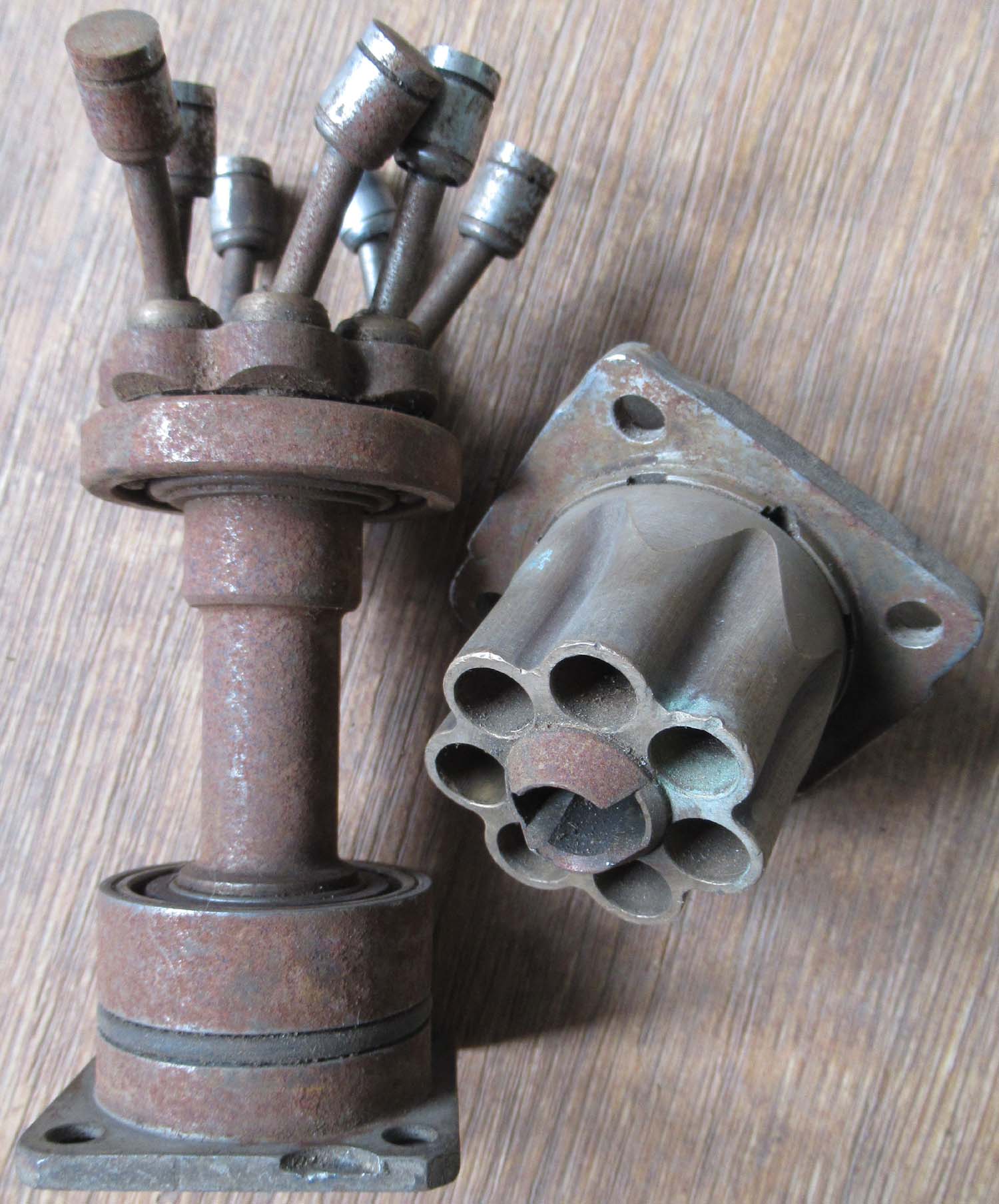
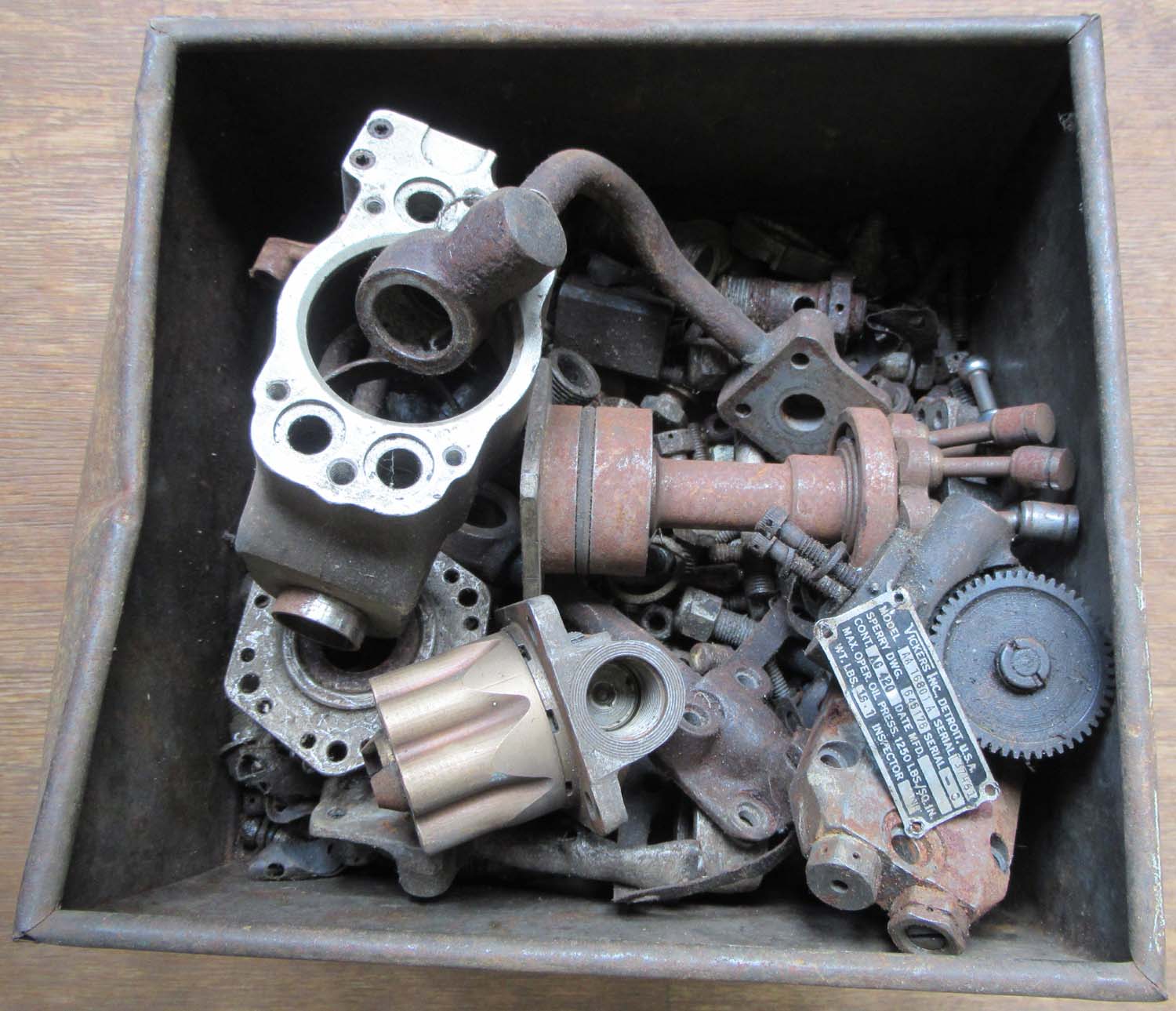
Its a collection of parts  from a hydraulic unit from a Sperry turret, this collection of parts seem to be common to the Mid upper, rear and ball turrets.

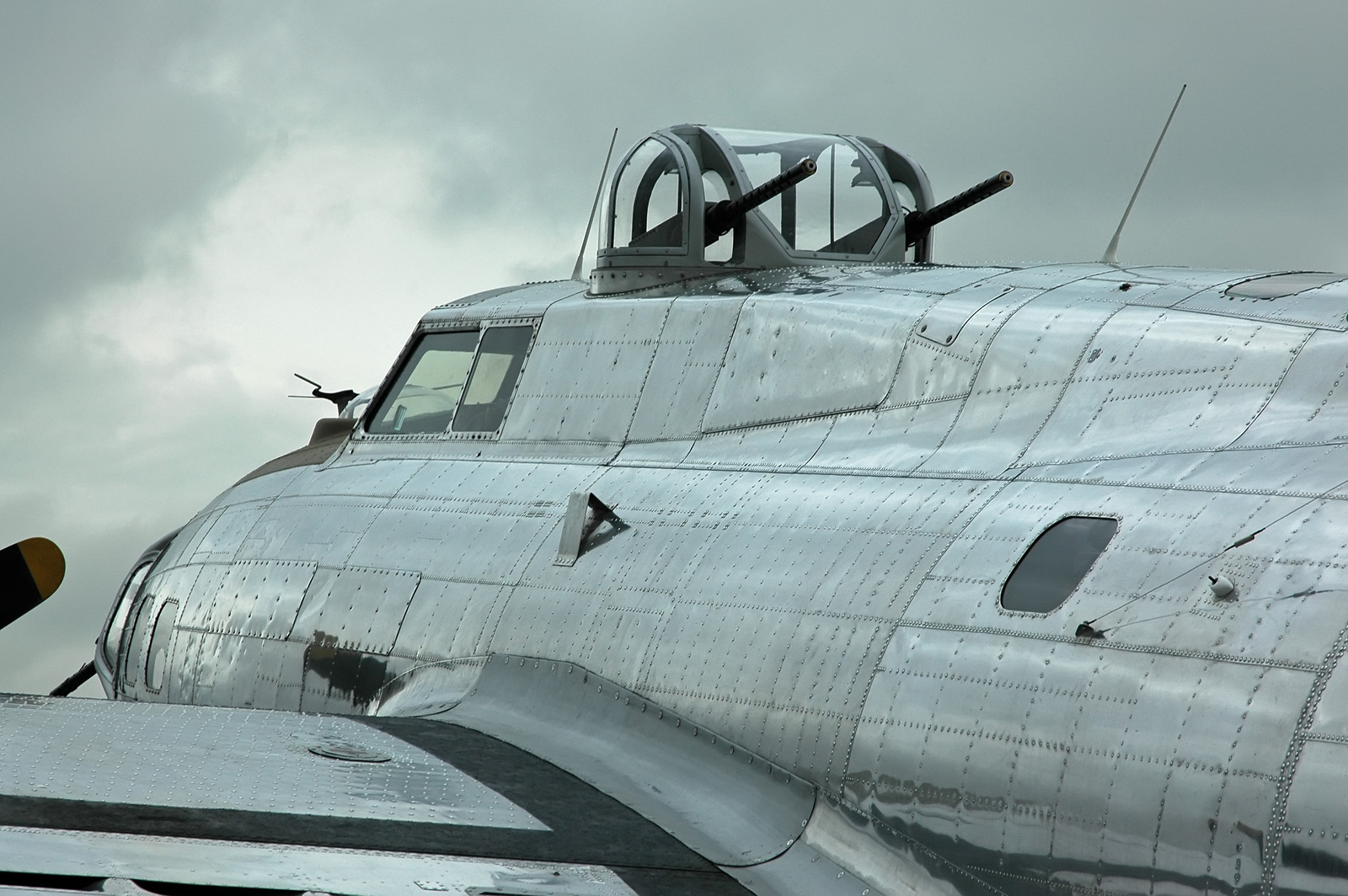
These turrets were fitted to the B17 and B24 Bombers and probably other US combat aircraft.

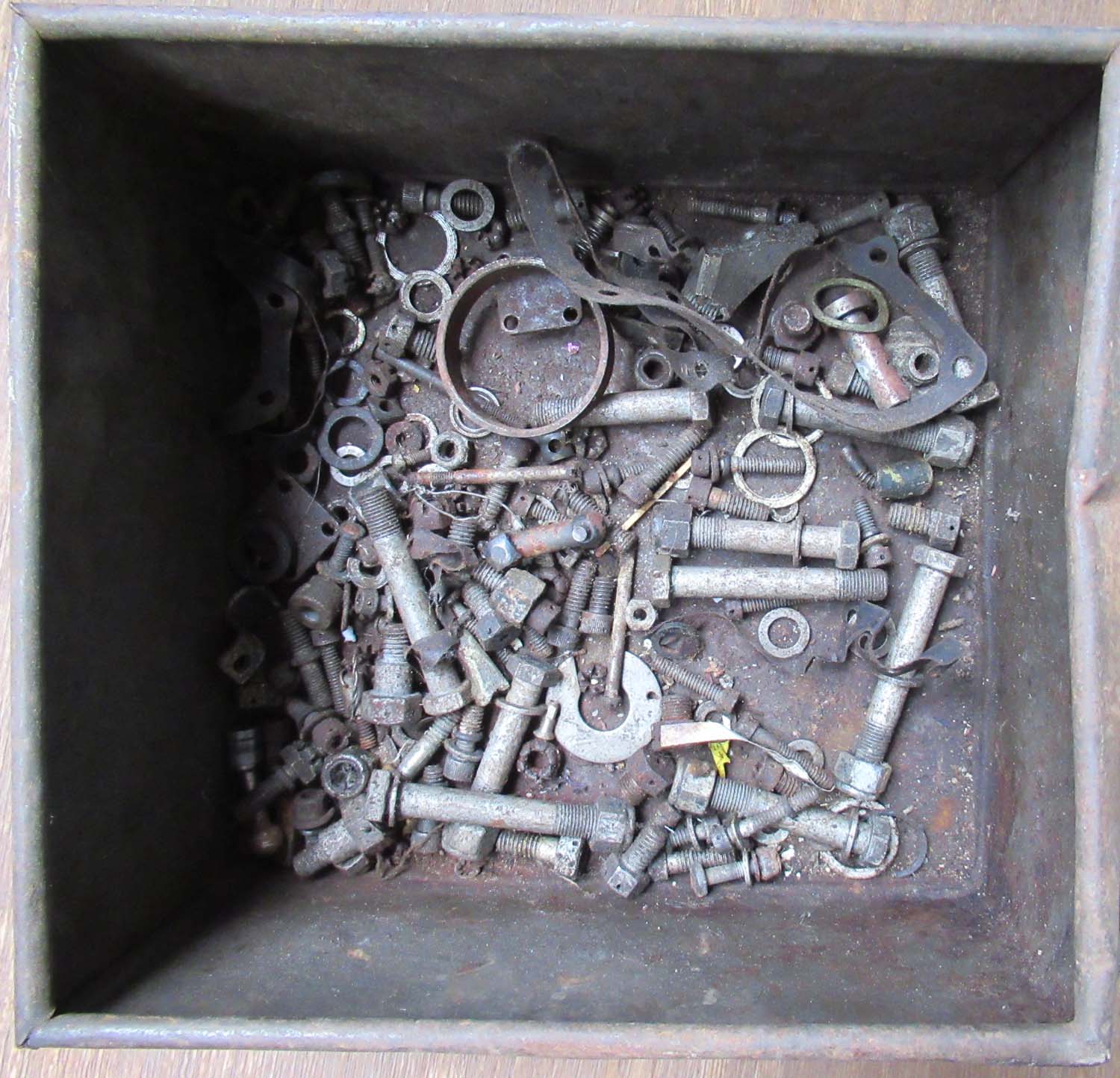
I have no idea if it is complete but certainly a useful package as spares what you see in the pictures is what you will receive.

Click on pictures to enlarge


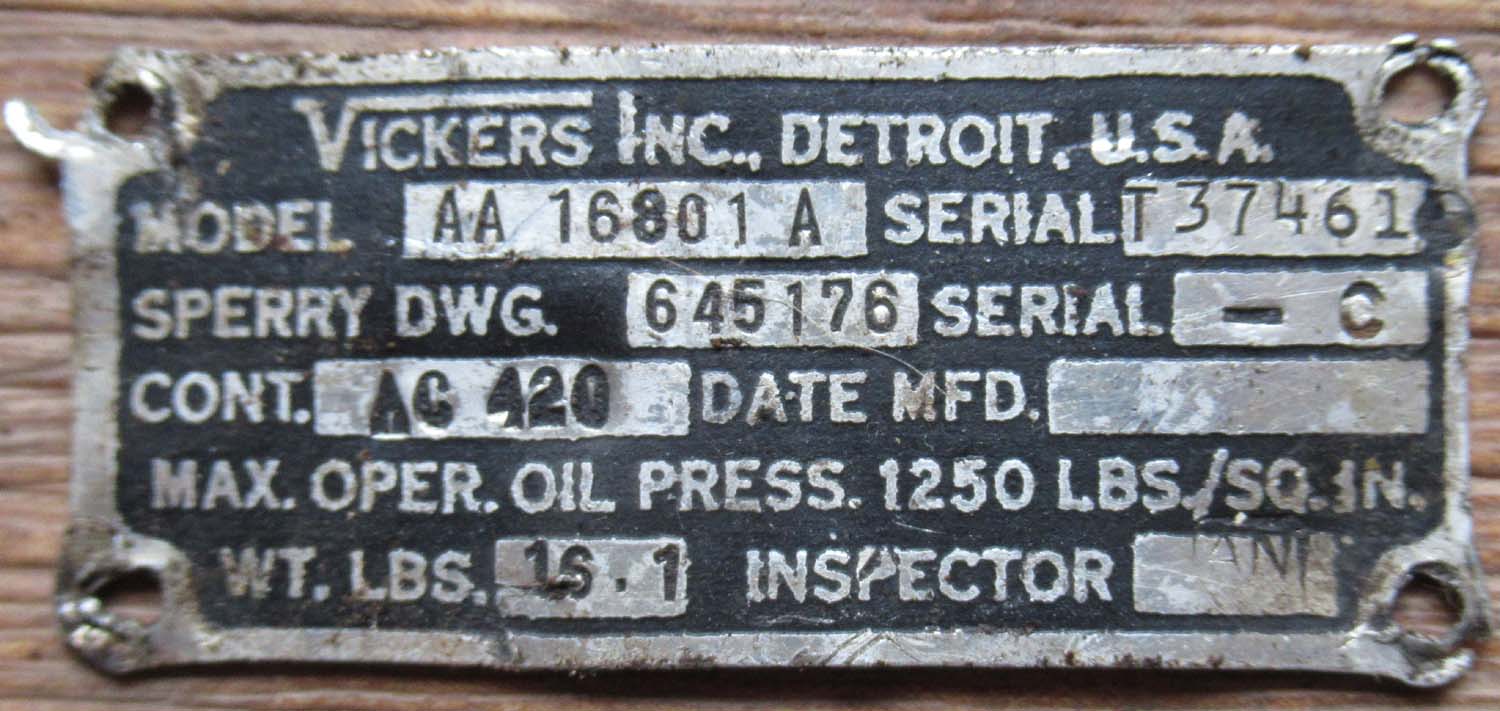
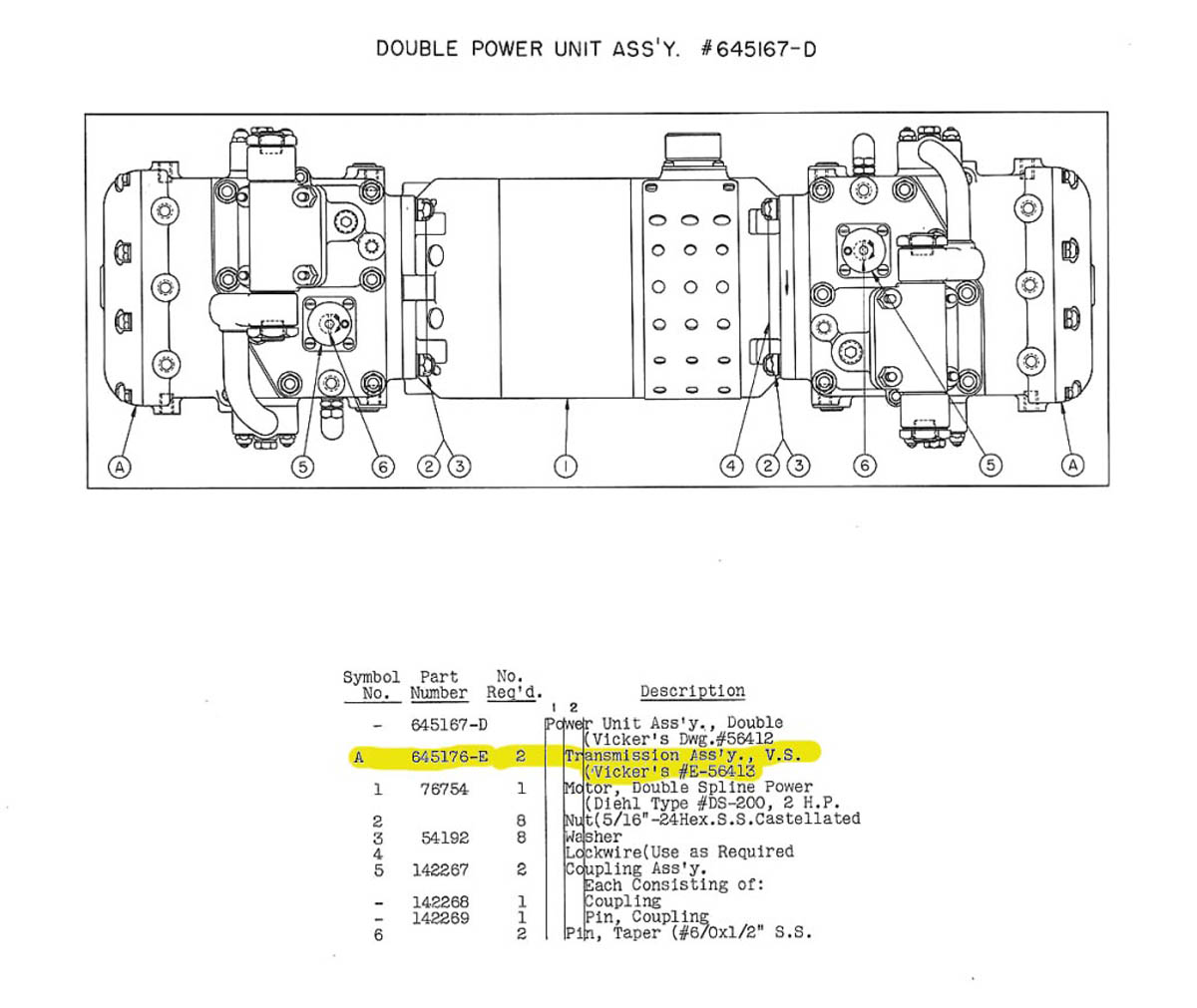
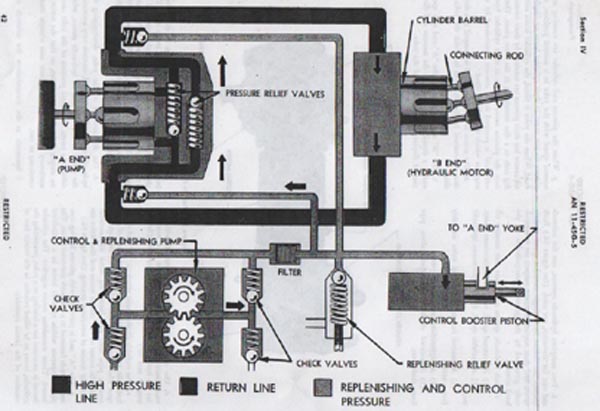
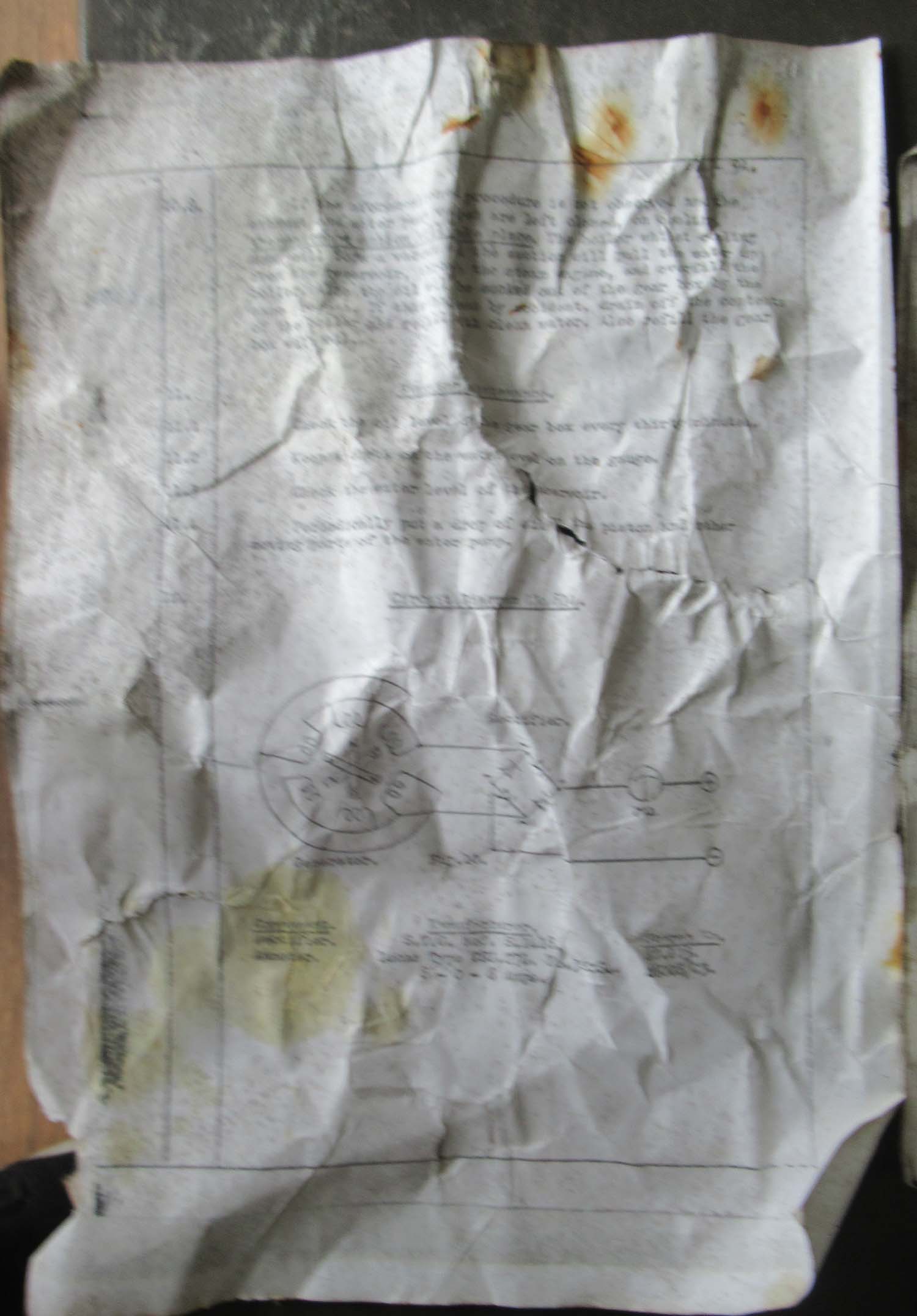
However the drawing  number on the plate 645176 corresponds to the variable speed hydraulic units of the Sperry upper turret,  illustrated in this manual extract above centre.

Far right above extract taken from Lower Ball Turret Types A-2B and A-13A manual

Overseas buyers please contact me for a shipping quote.

 £295

Click on pictures to enlarge

NOW £175 from £295

 59.32% OFF limited time offer

Sperry Turret Flexible Shutter (No 103 pg1 Arm)

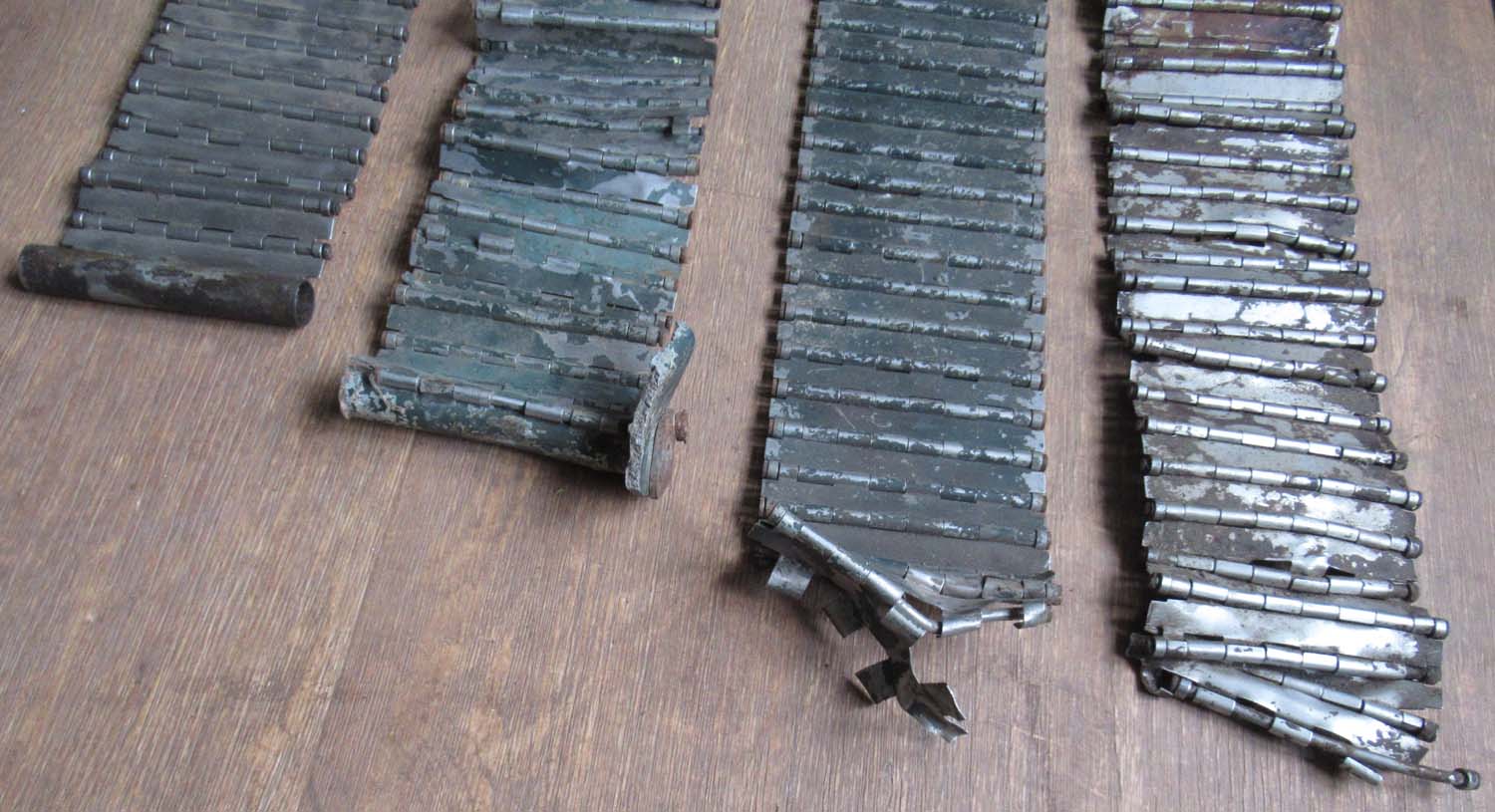
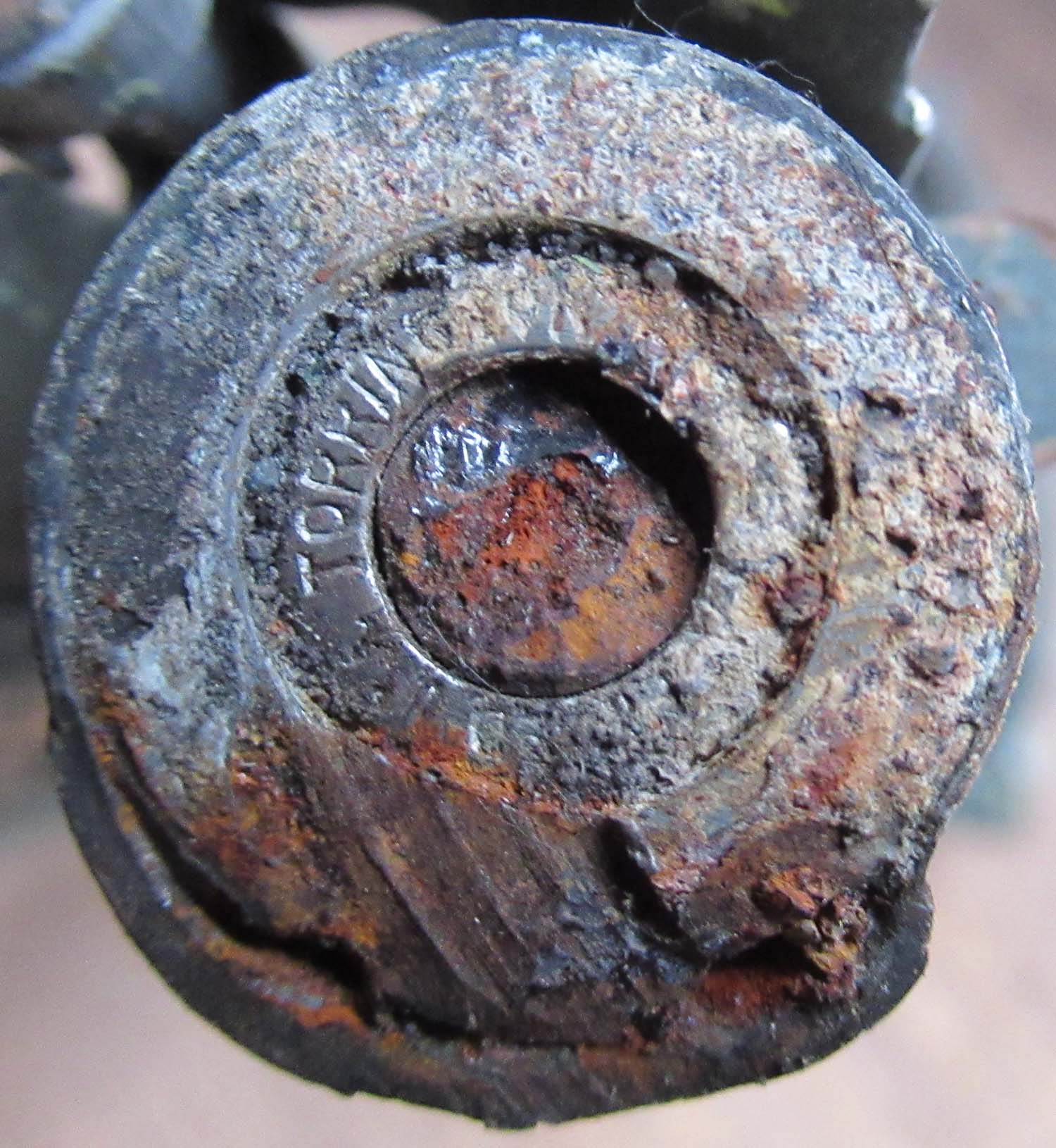
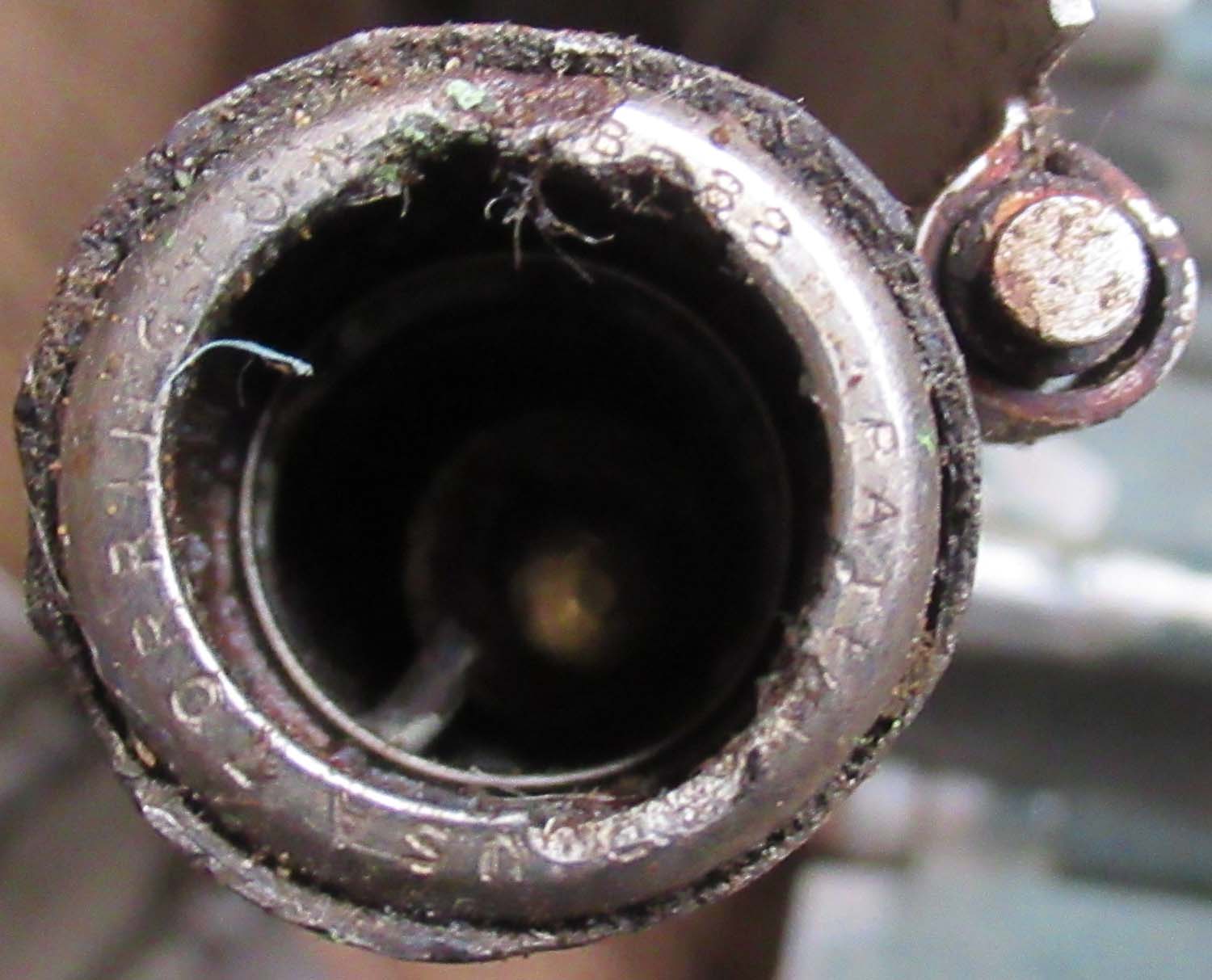
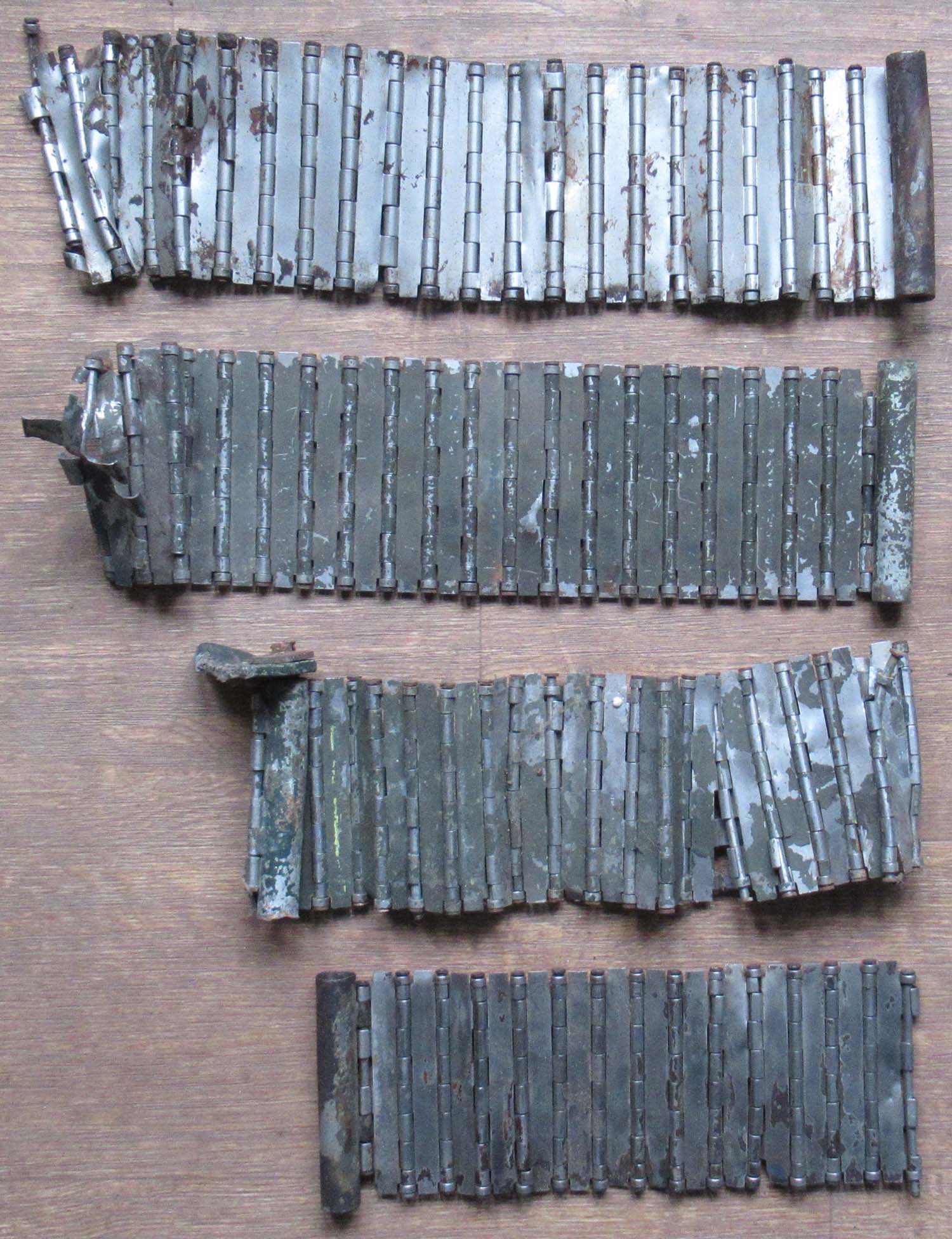
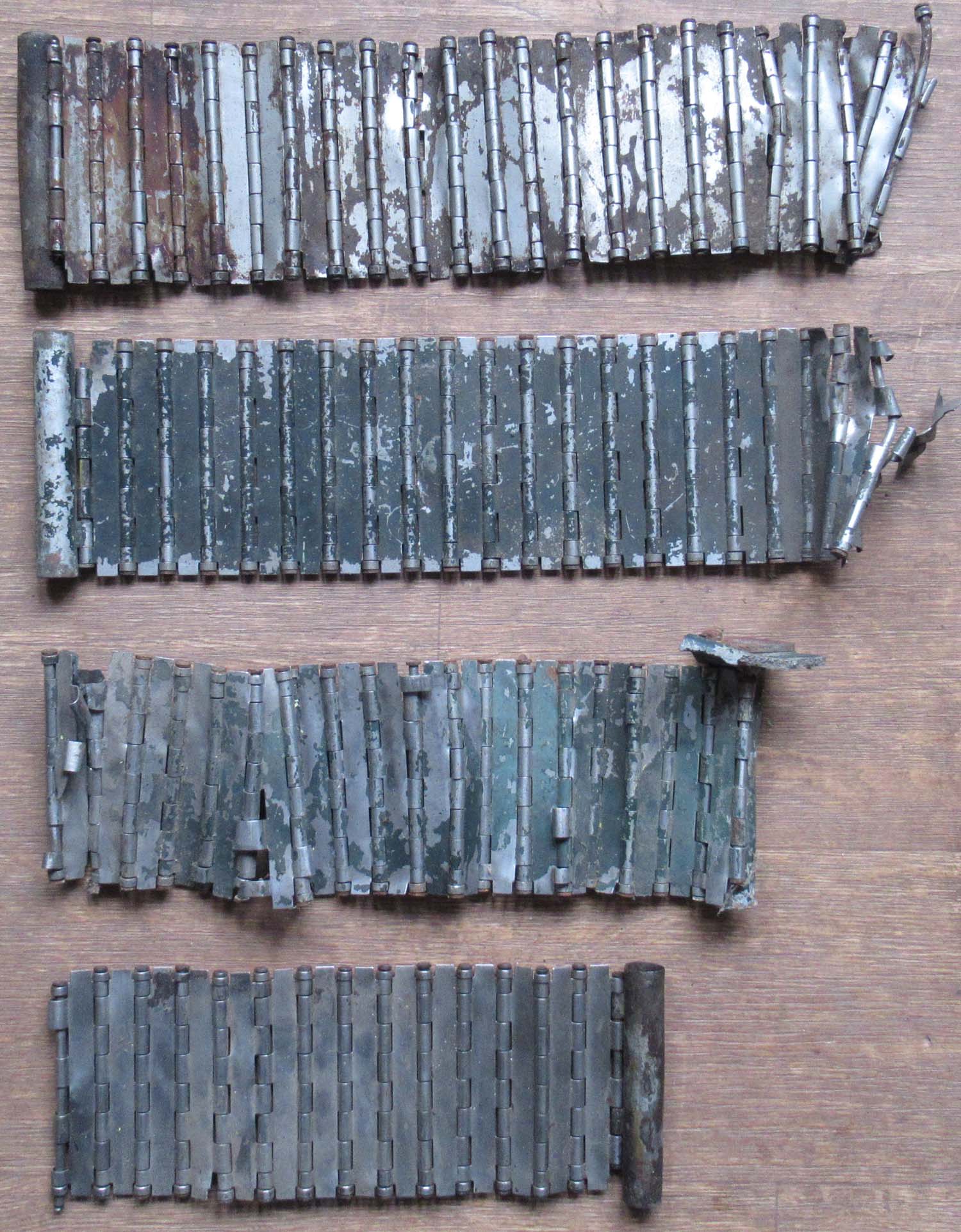
Here s another super rare Turret item the flexible Turret shutters which seal the turret gaps which the guns poke through.

Top to bottom they measure 1: 17 1/2 inches or 44cm 2:16 1/2 inches or 42 cm. 3:13 1/2 inches or 34cm. 4: 11 1/2 inches or 29 cm.

These came from Holland and may belong to Hustling Sue featured on the relics page link here.

They are clearly from a crash the shortest peace is in good order and still flexible the others have some damage but I would say 80% functional.

Torrington Patented USA

Click on pictures to enlarge


Overseas buyers please contact me for a shipping quote.

 £175 for the four peaces.

Click on pictures to enlarge

Now £125  from £225

44.44% OFF limited time offer

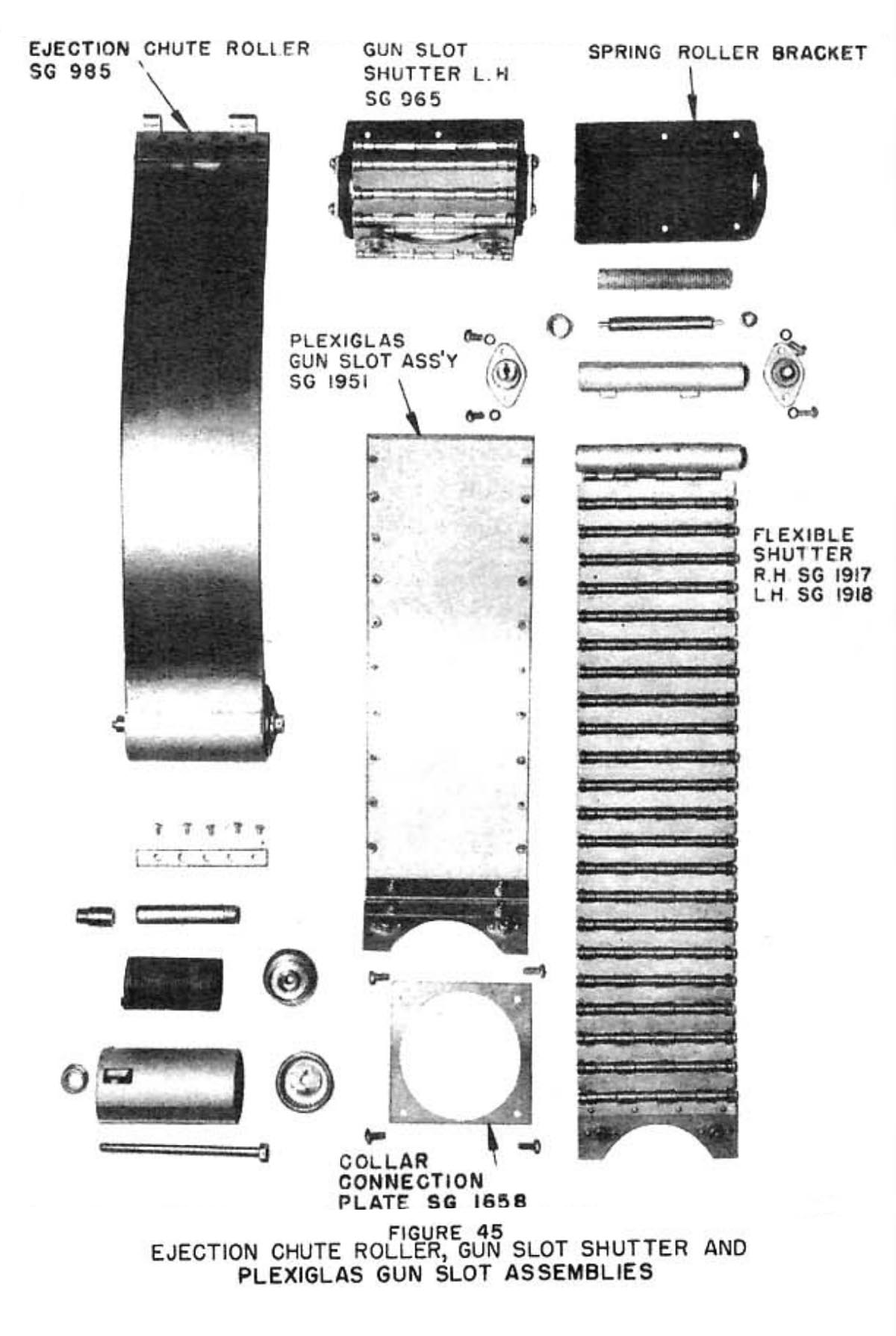
Sperry Turret Ejection Chute Roller (No 104 pg1 Arm)

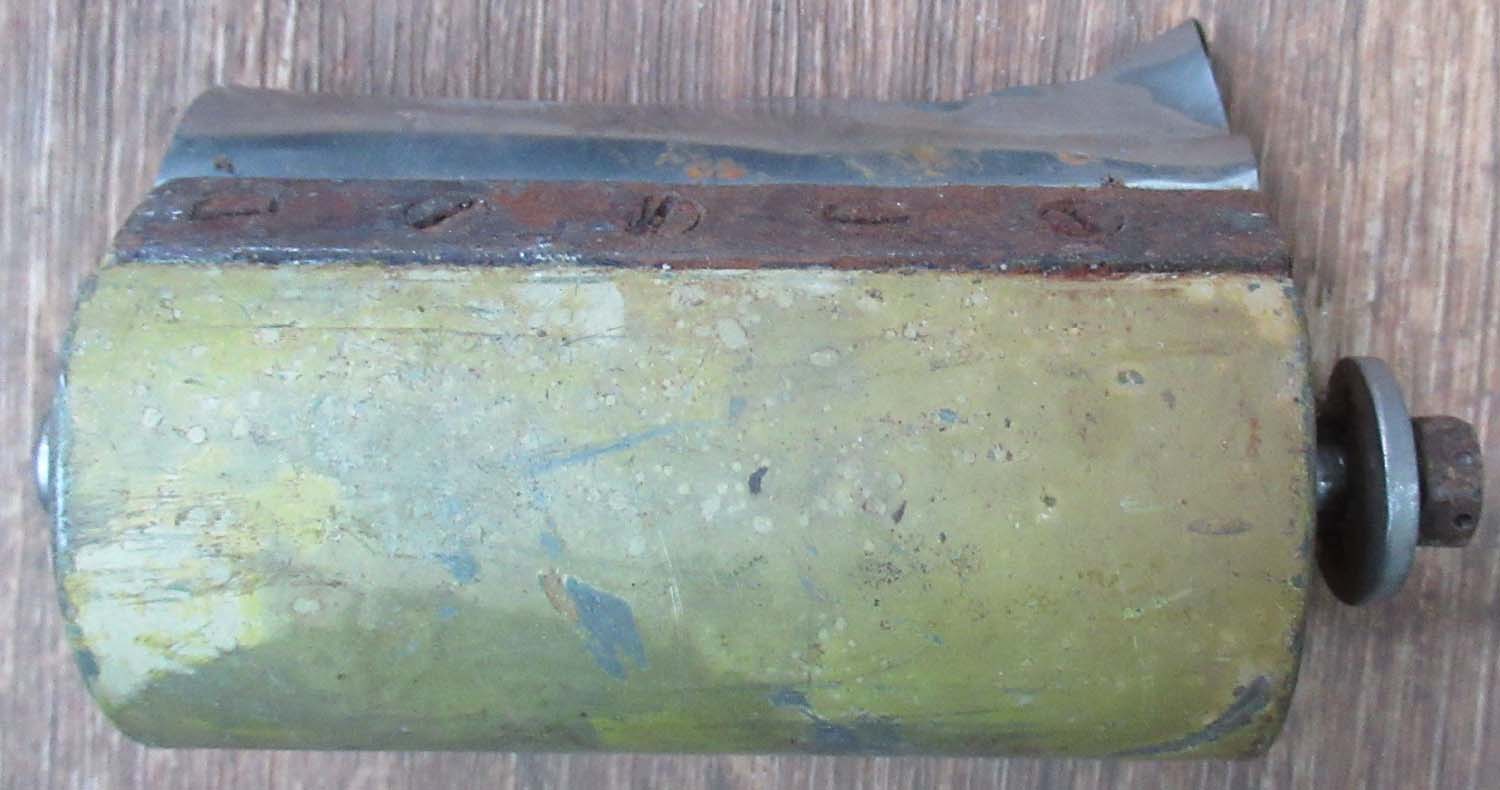
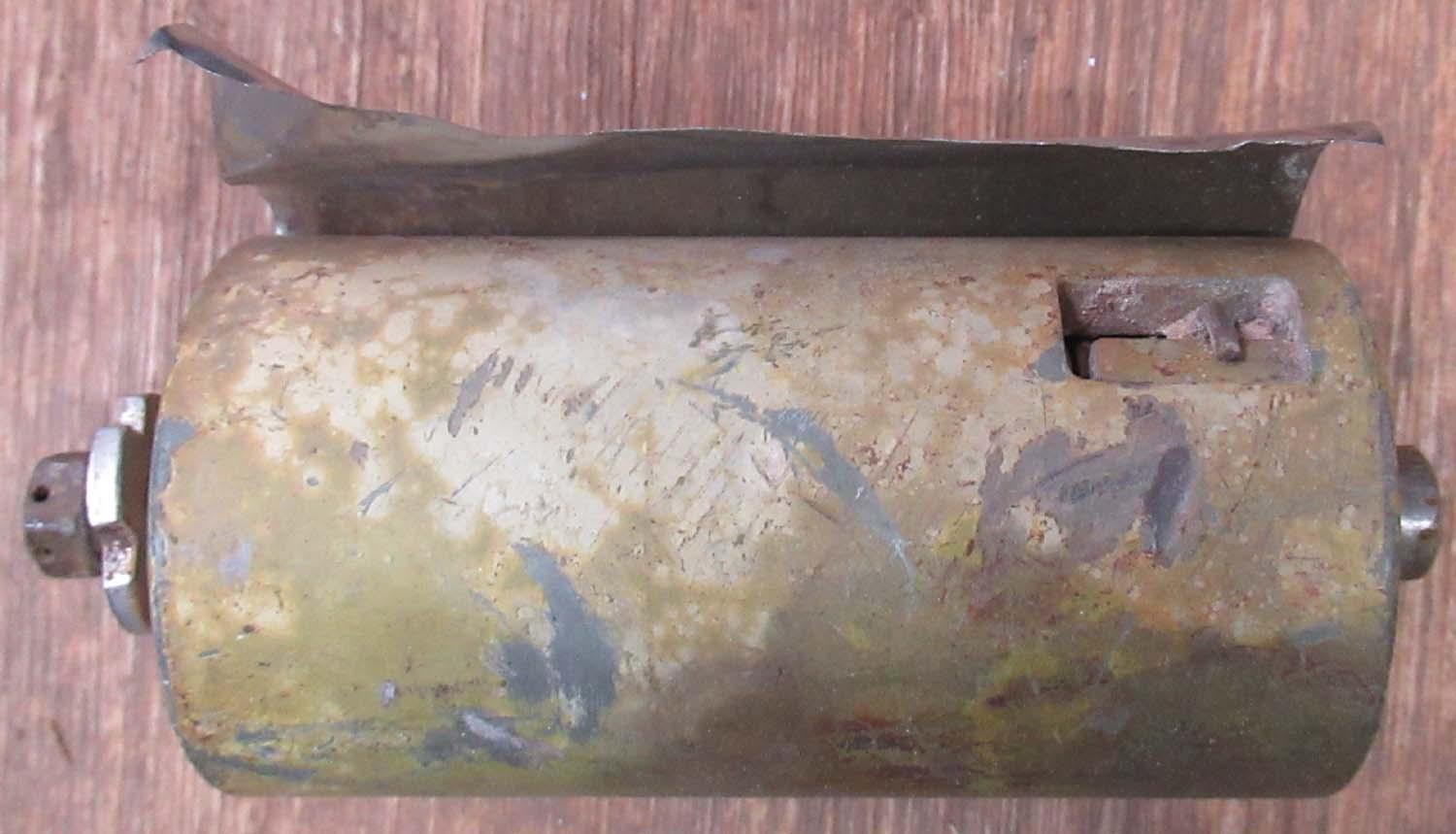
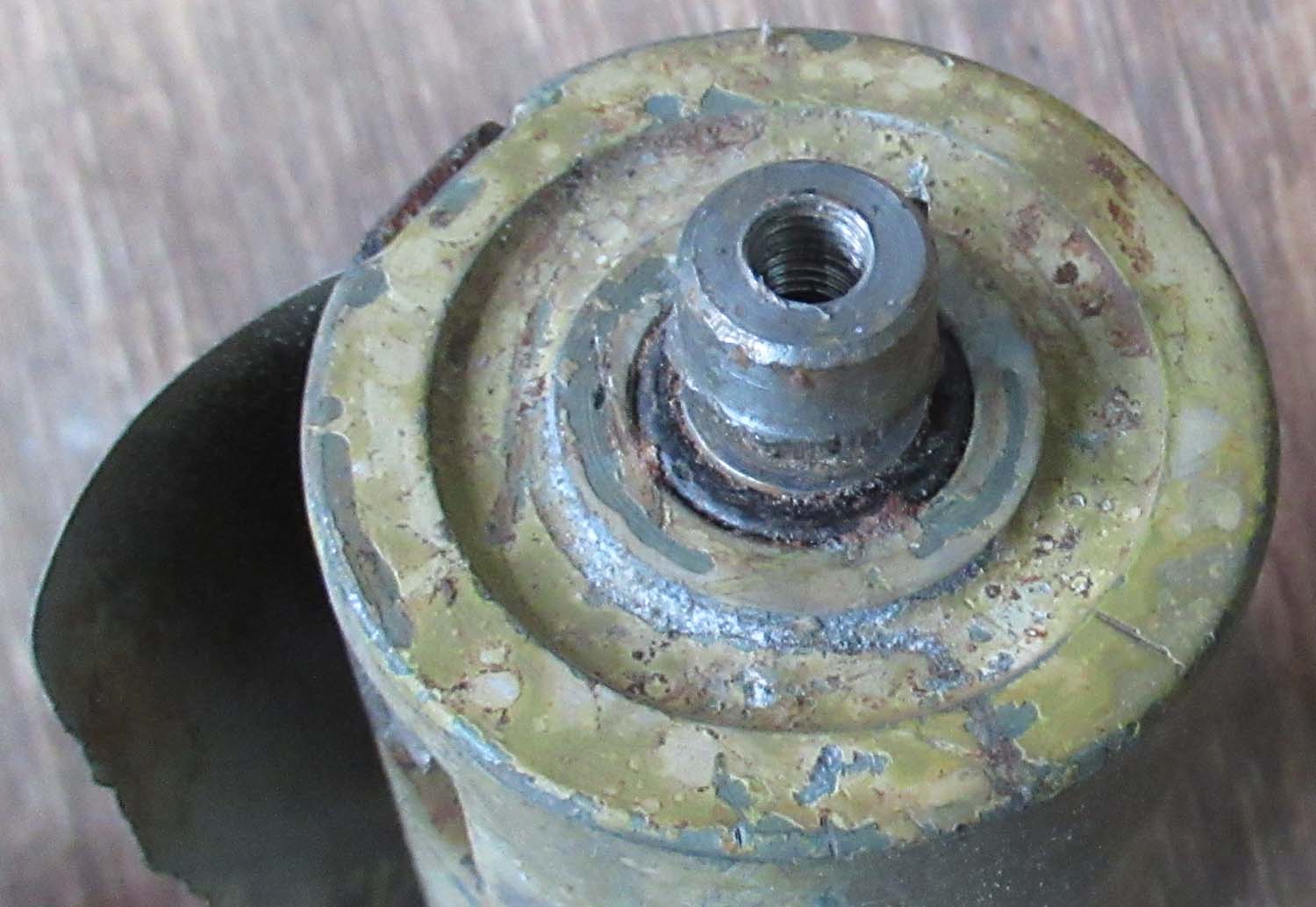
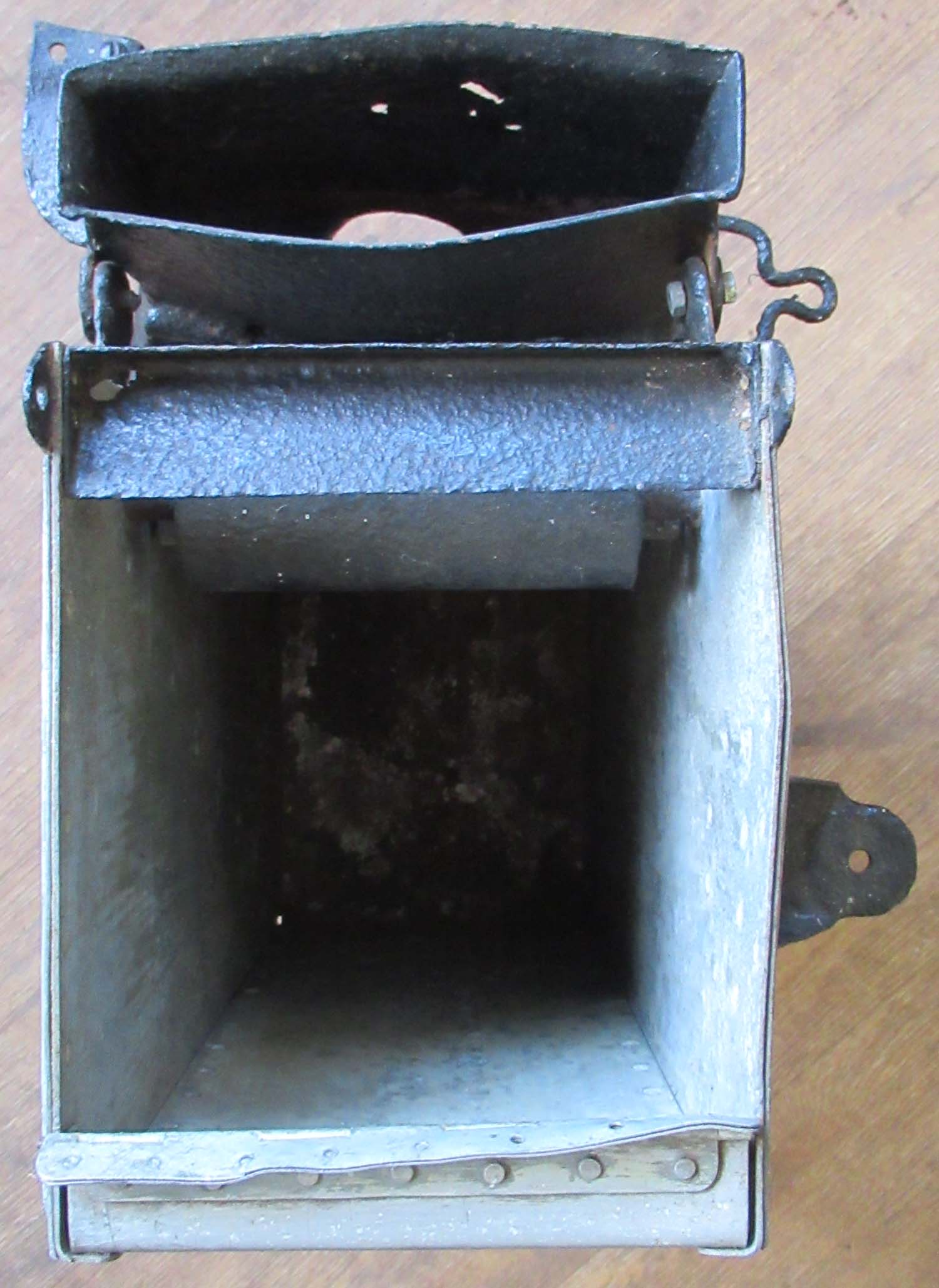
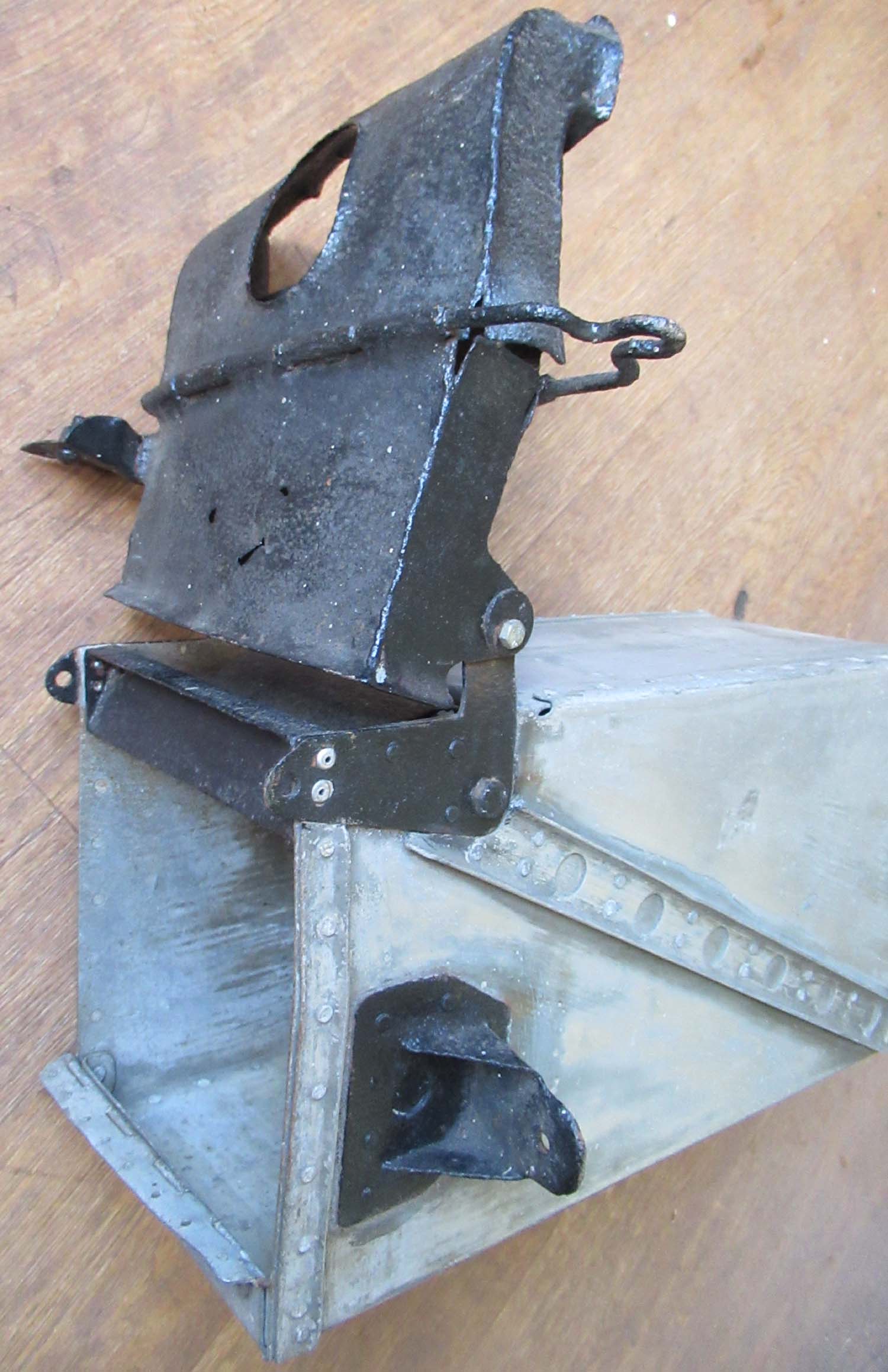
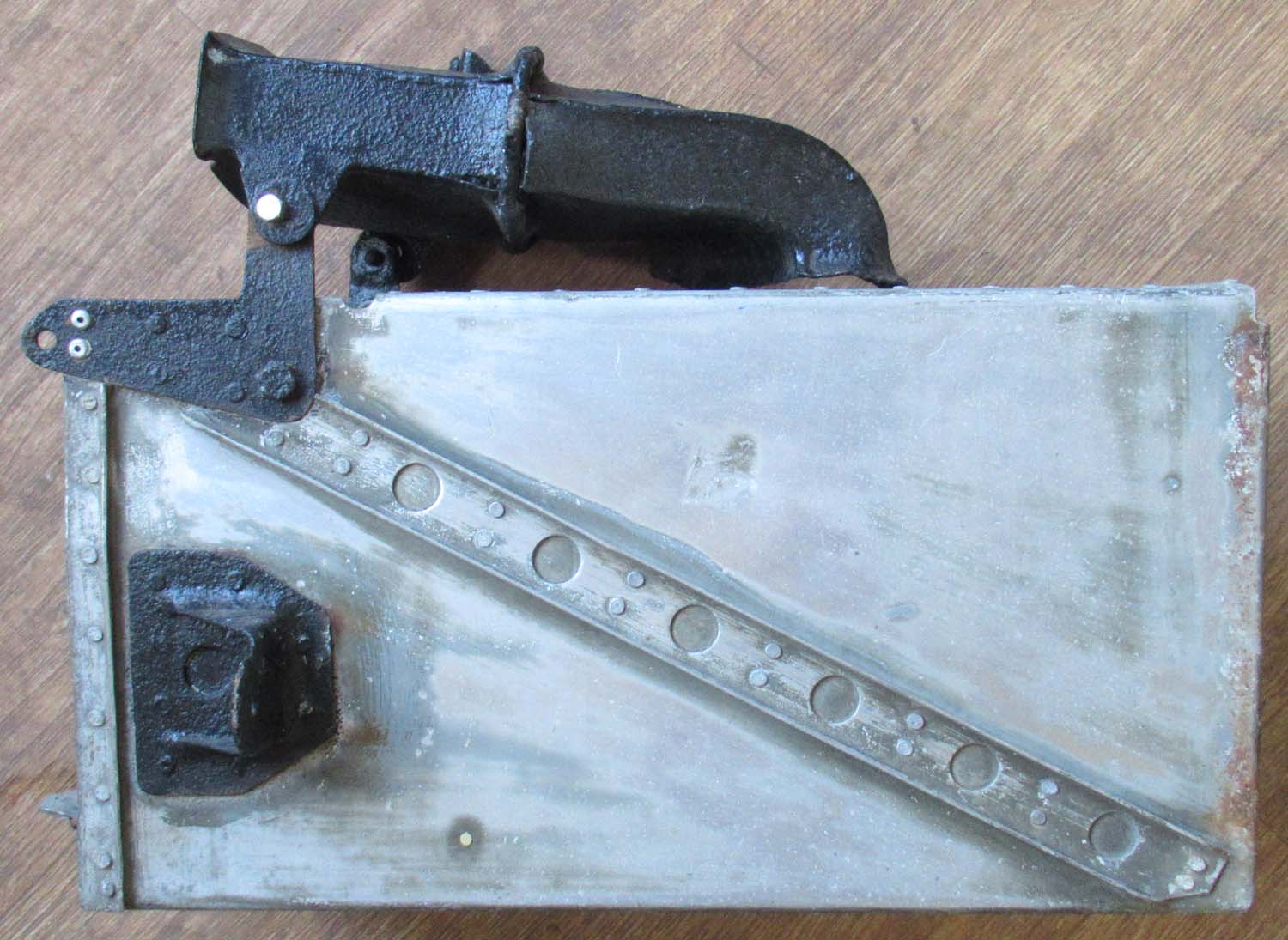
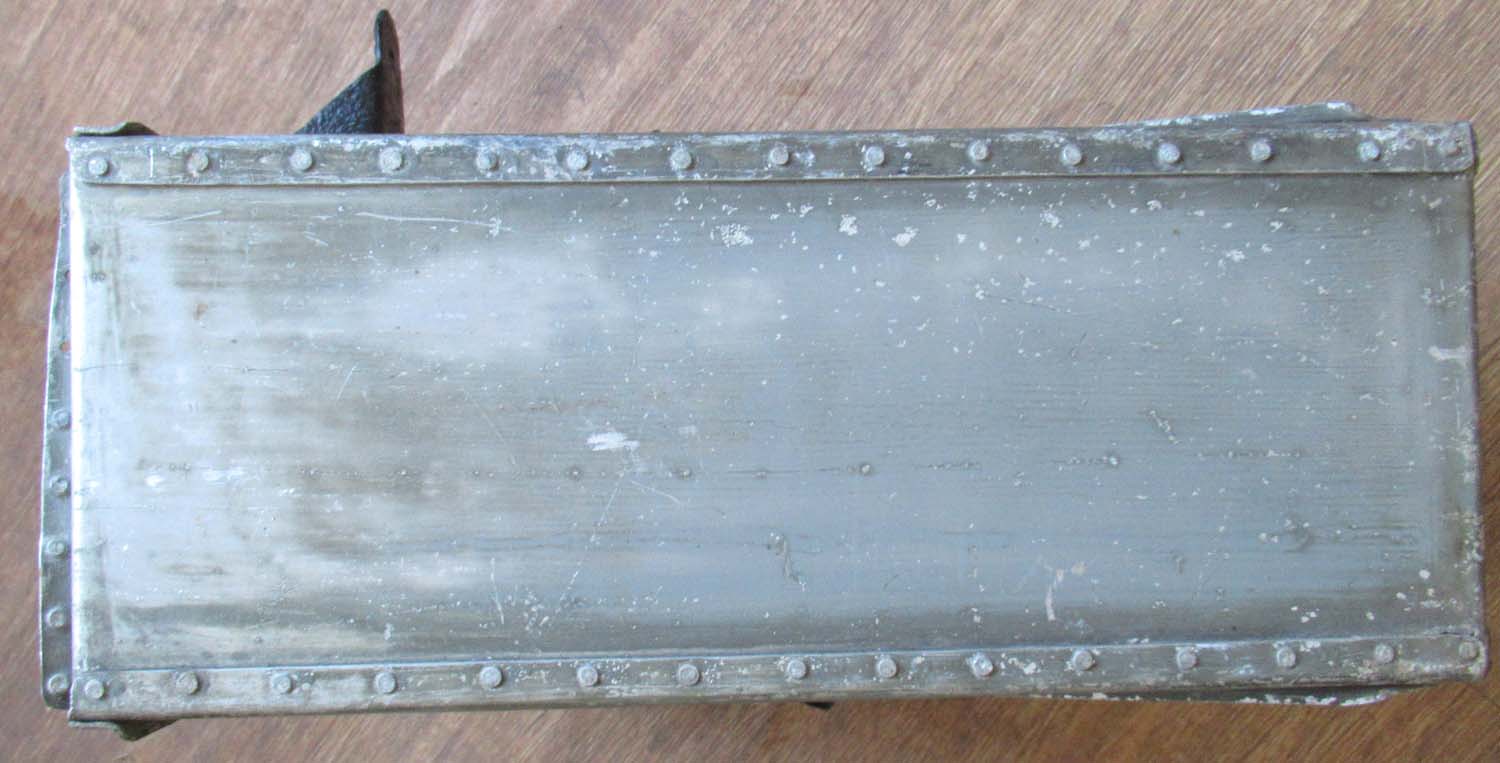
Here is a an ejection chute roller from a Sperry turret, it is actually in good order and still rotates  around the spindle. Clearly seen in the drawing under

These came from Holland and may belong to Hustling Sue featured on the relics page link here.

They are clearly from a crash the shortest peace is in good order and still flexible the others have some damage but I would say 80% functional.

Click on pictures to enlarge


Sorry Sold

Click on pictures to enlarge

Now £995 from £1495

33.44% OFF limited time offer


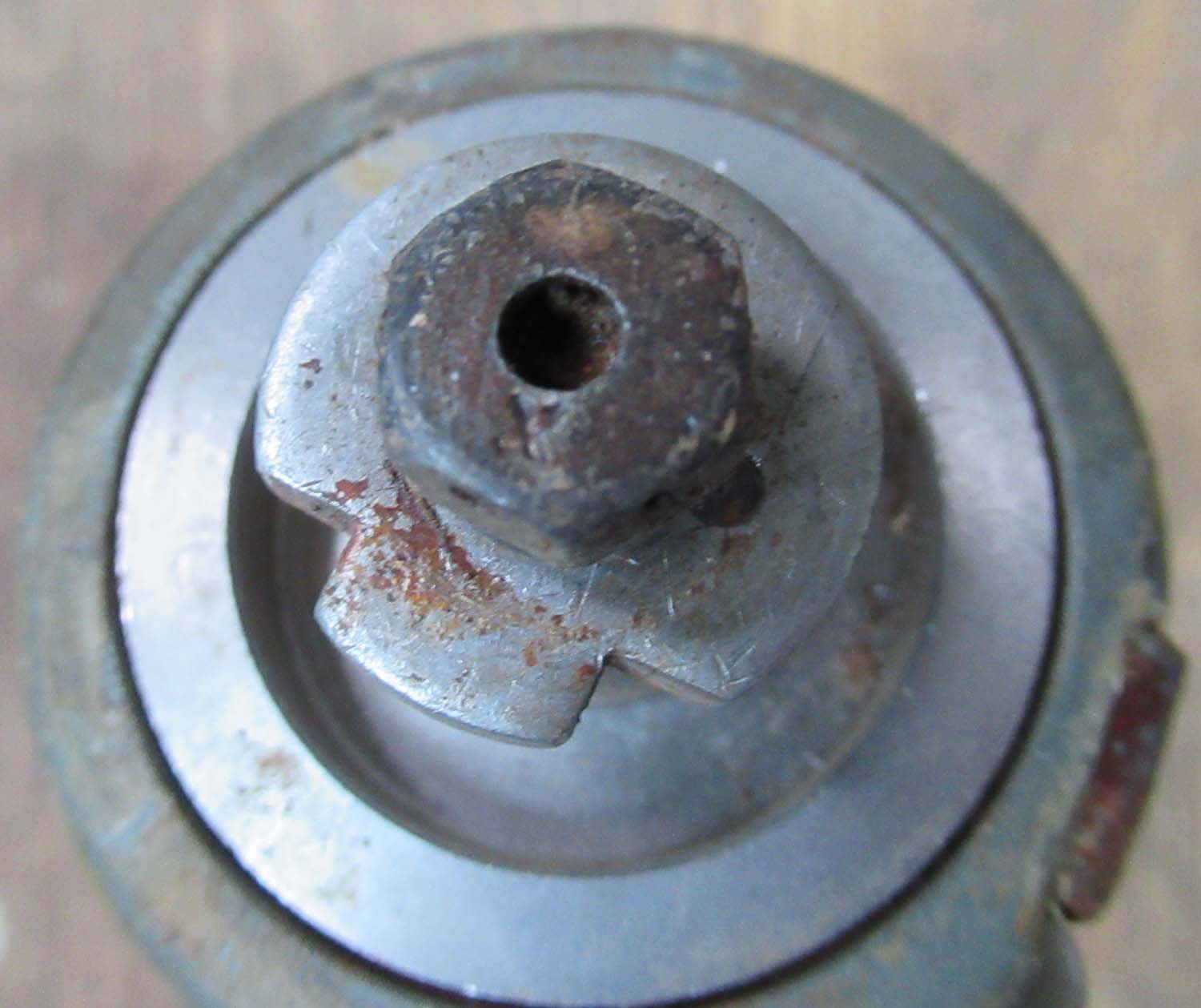
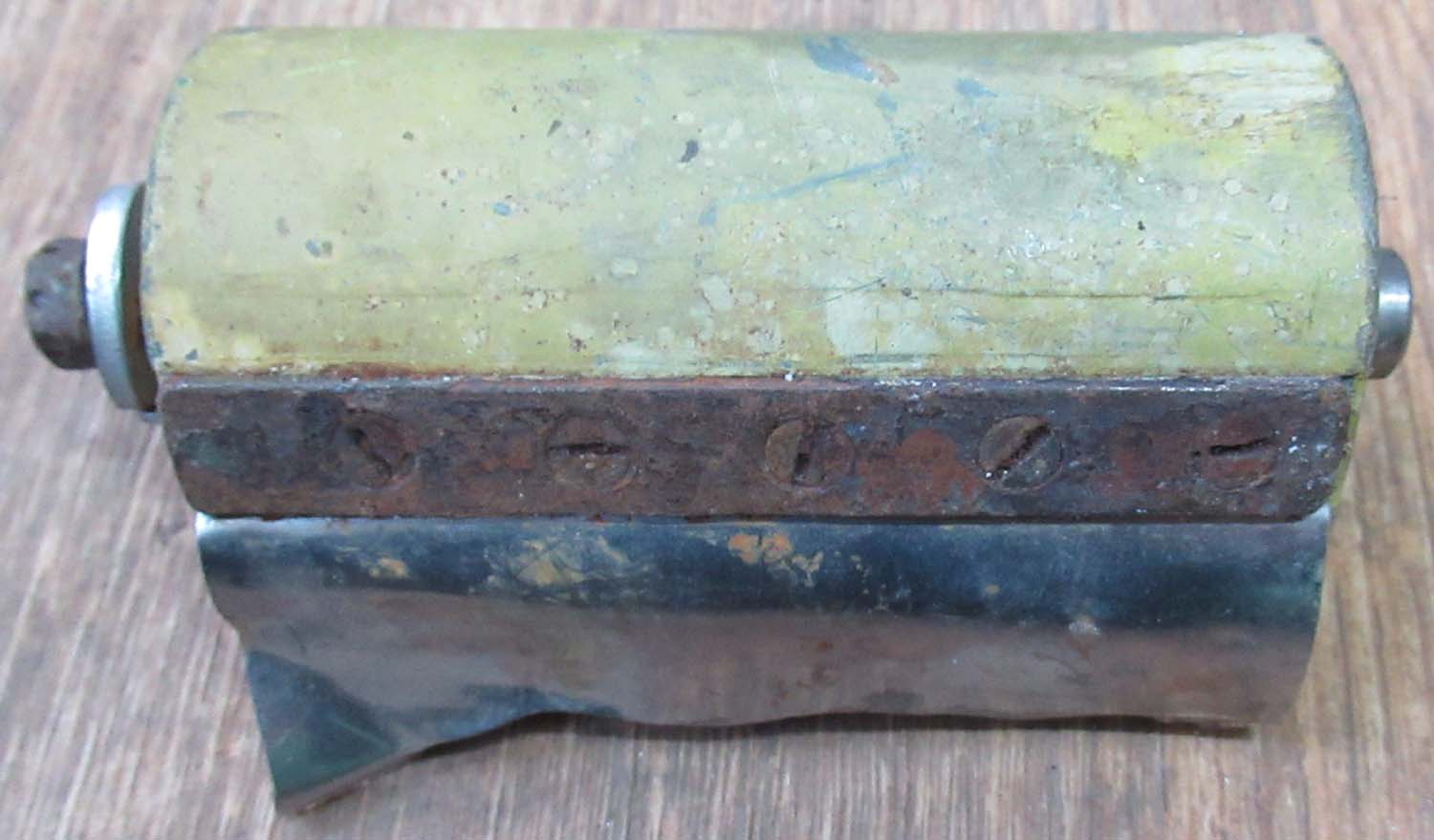
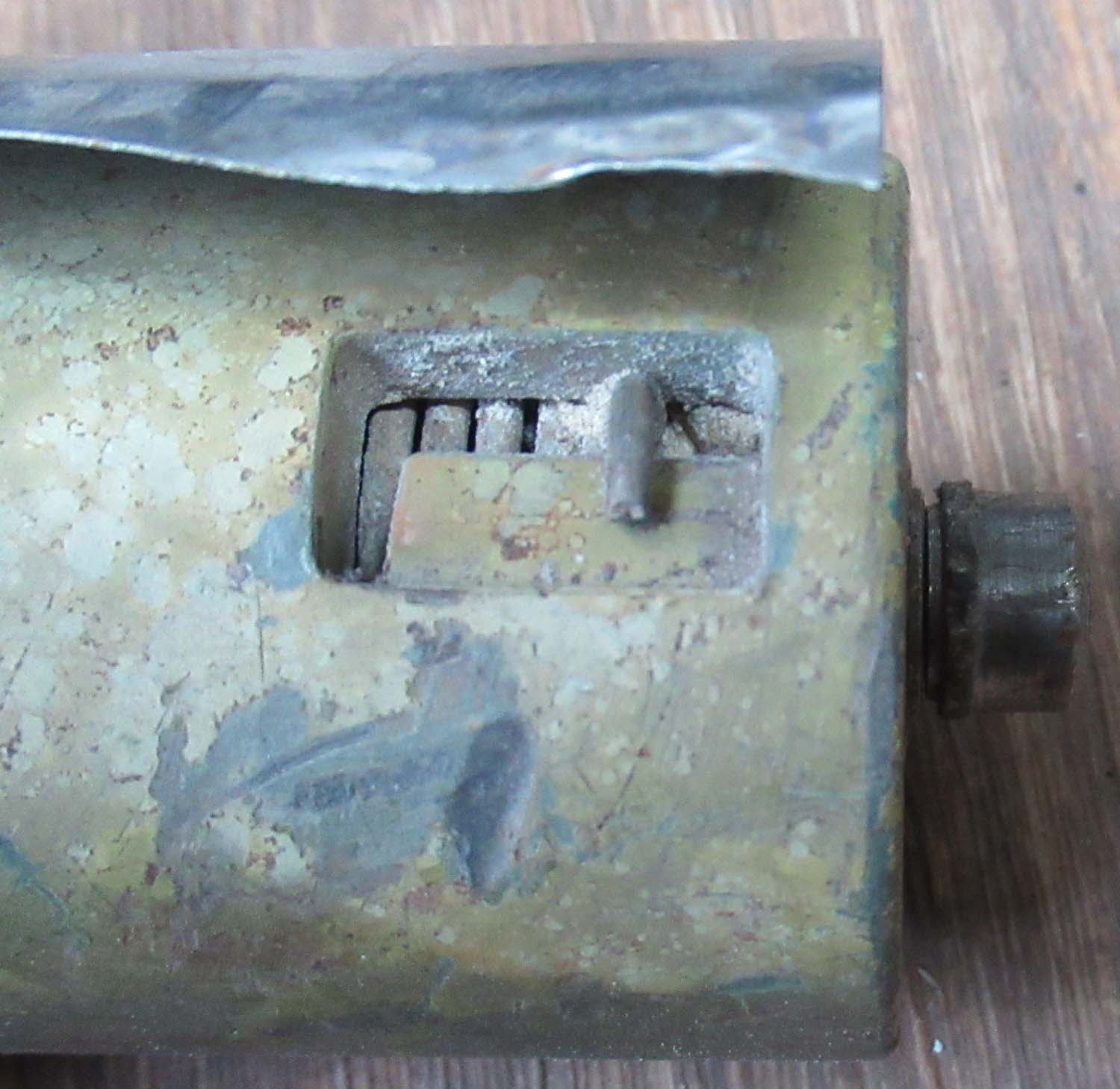
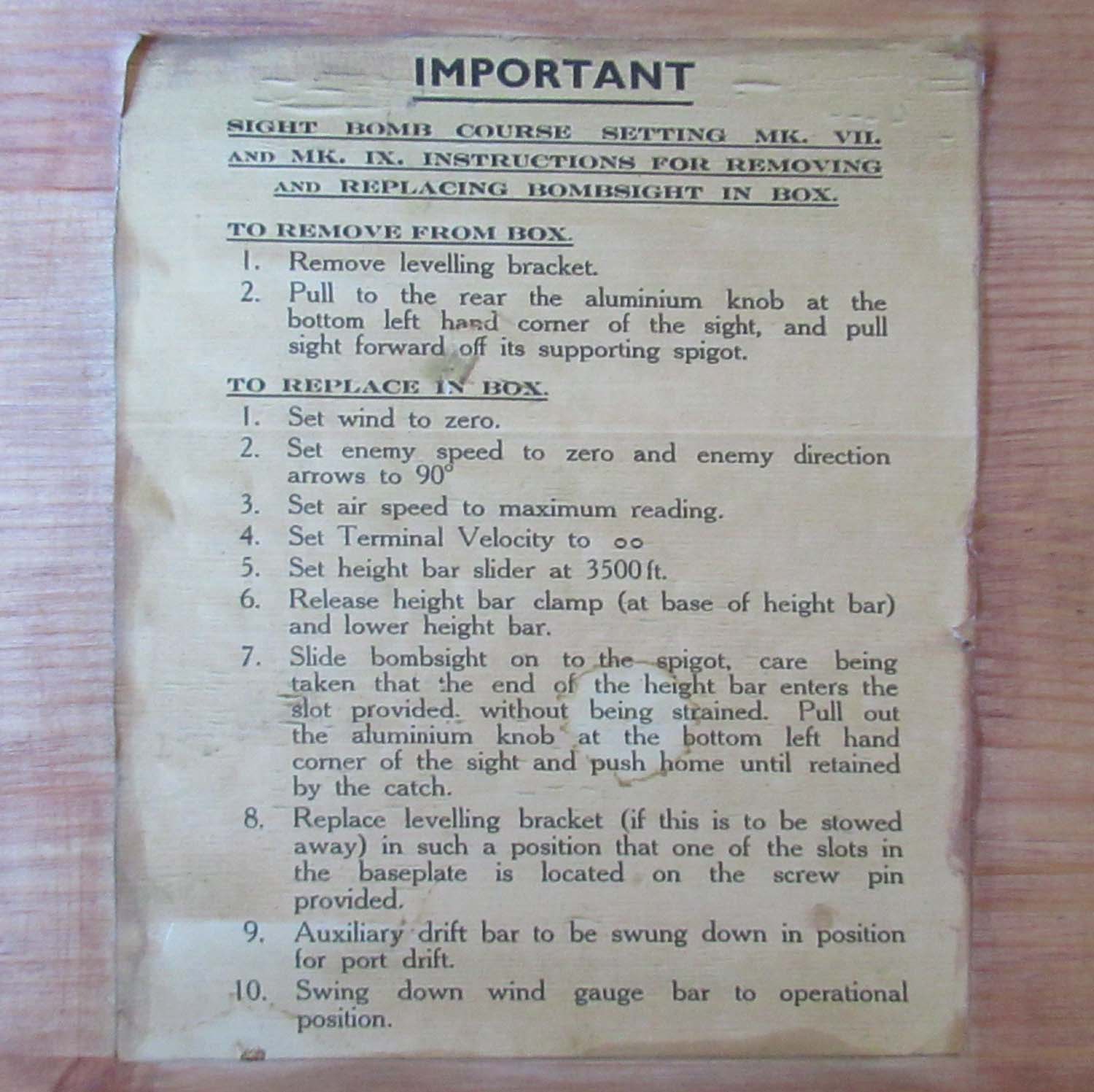
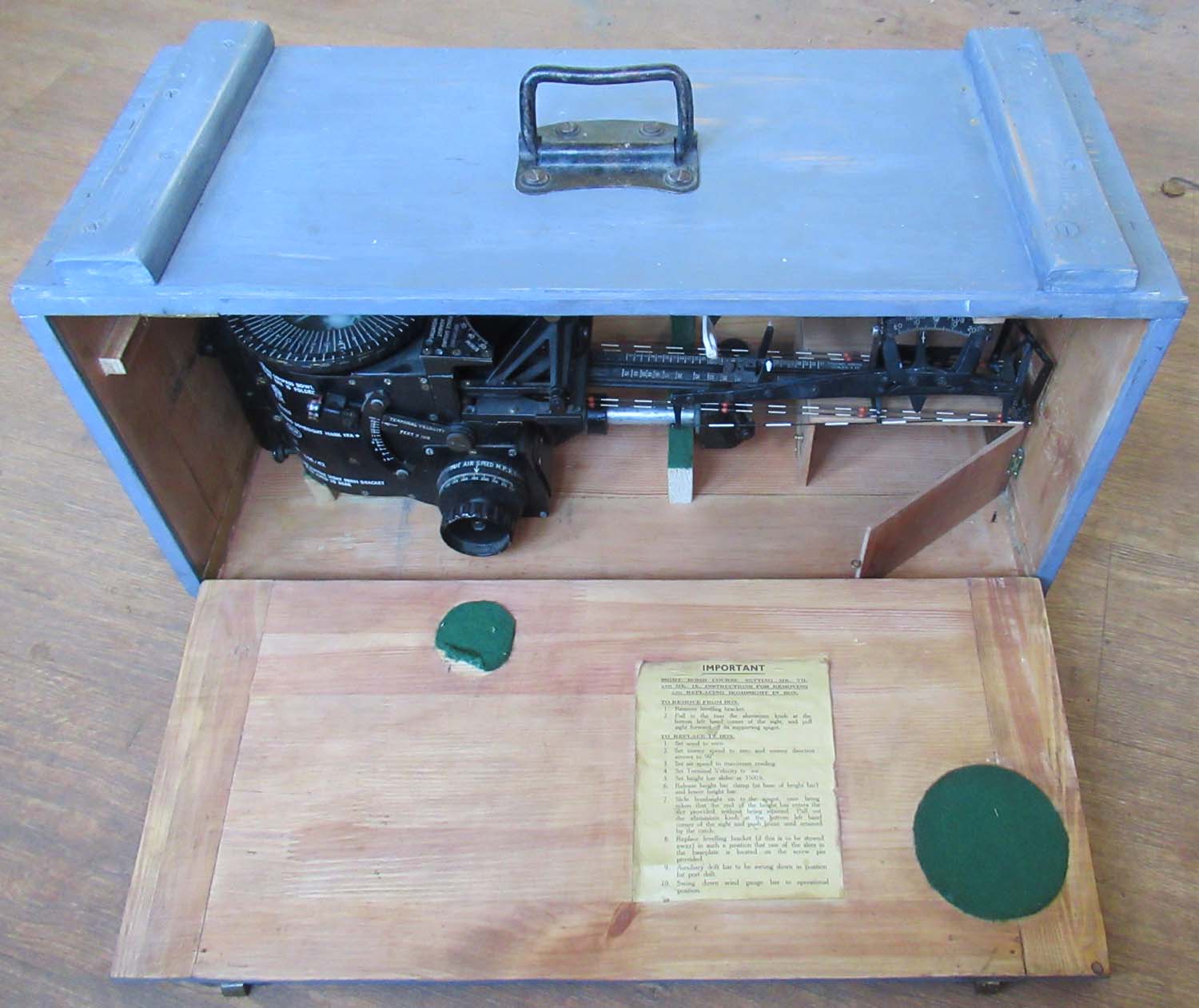
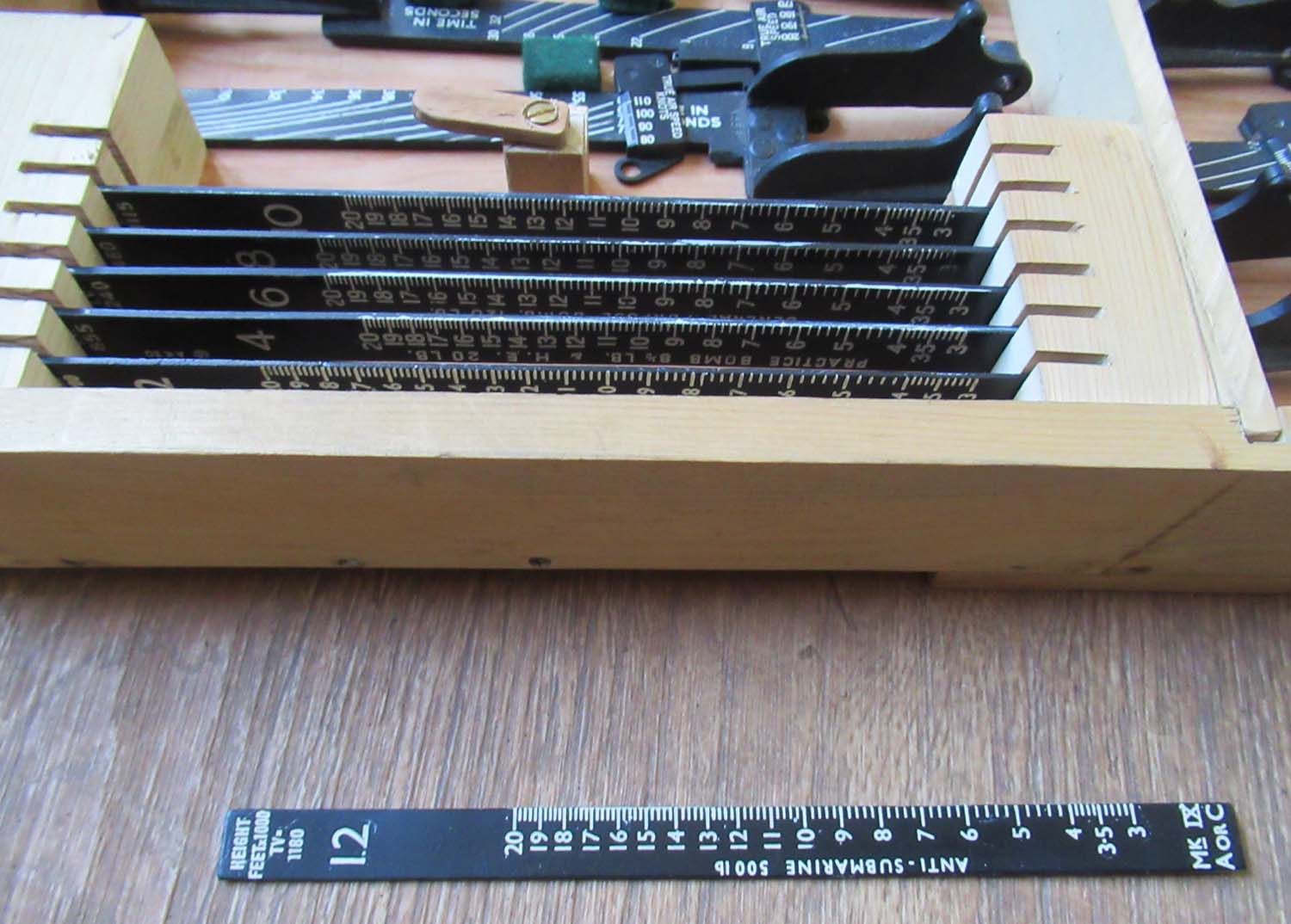
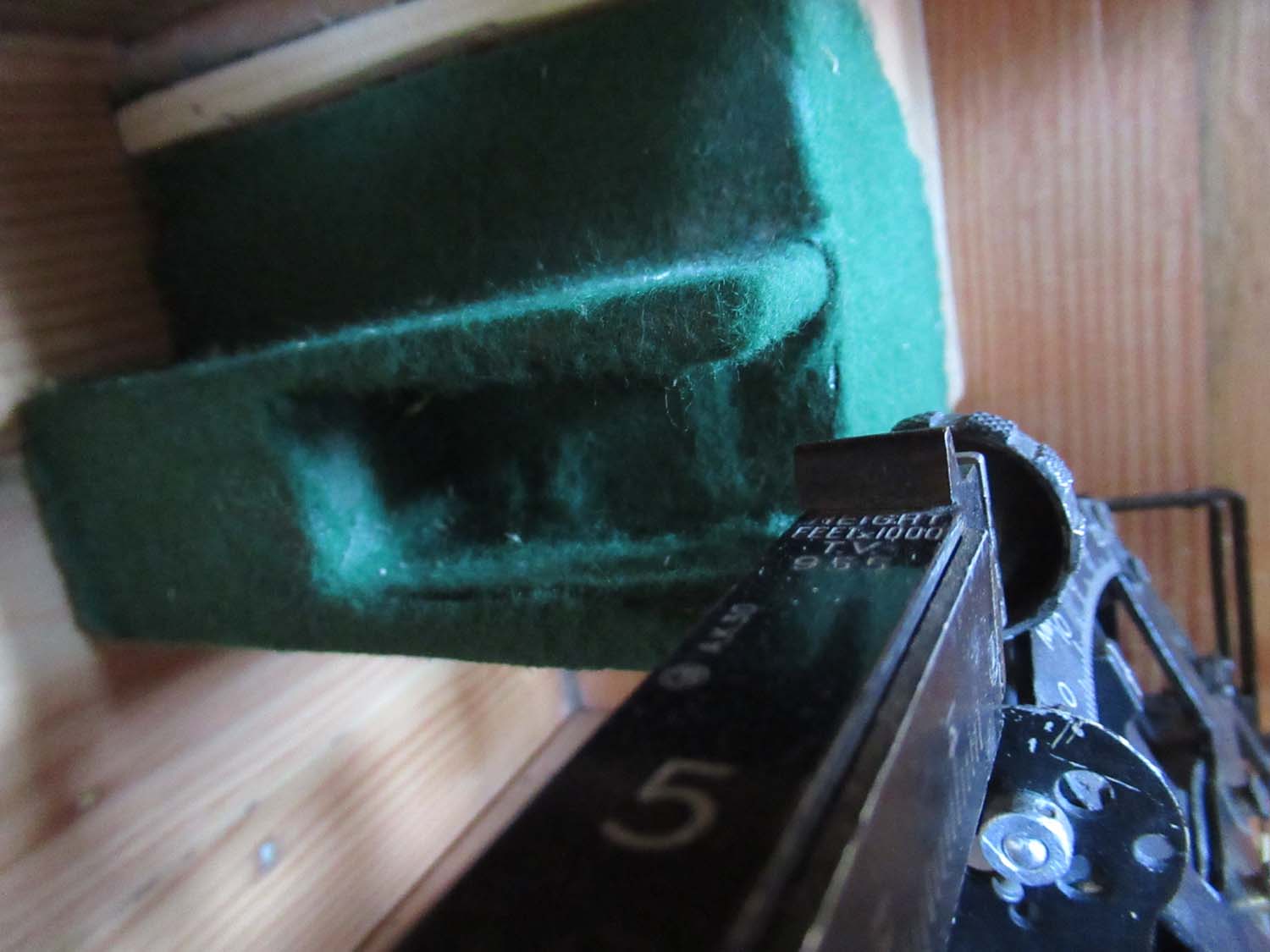
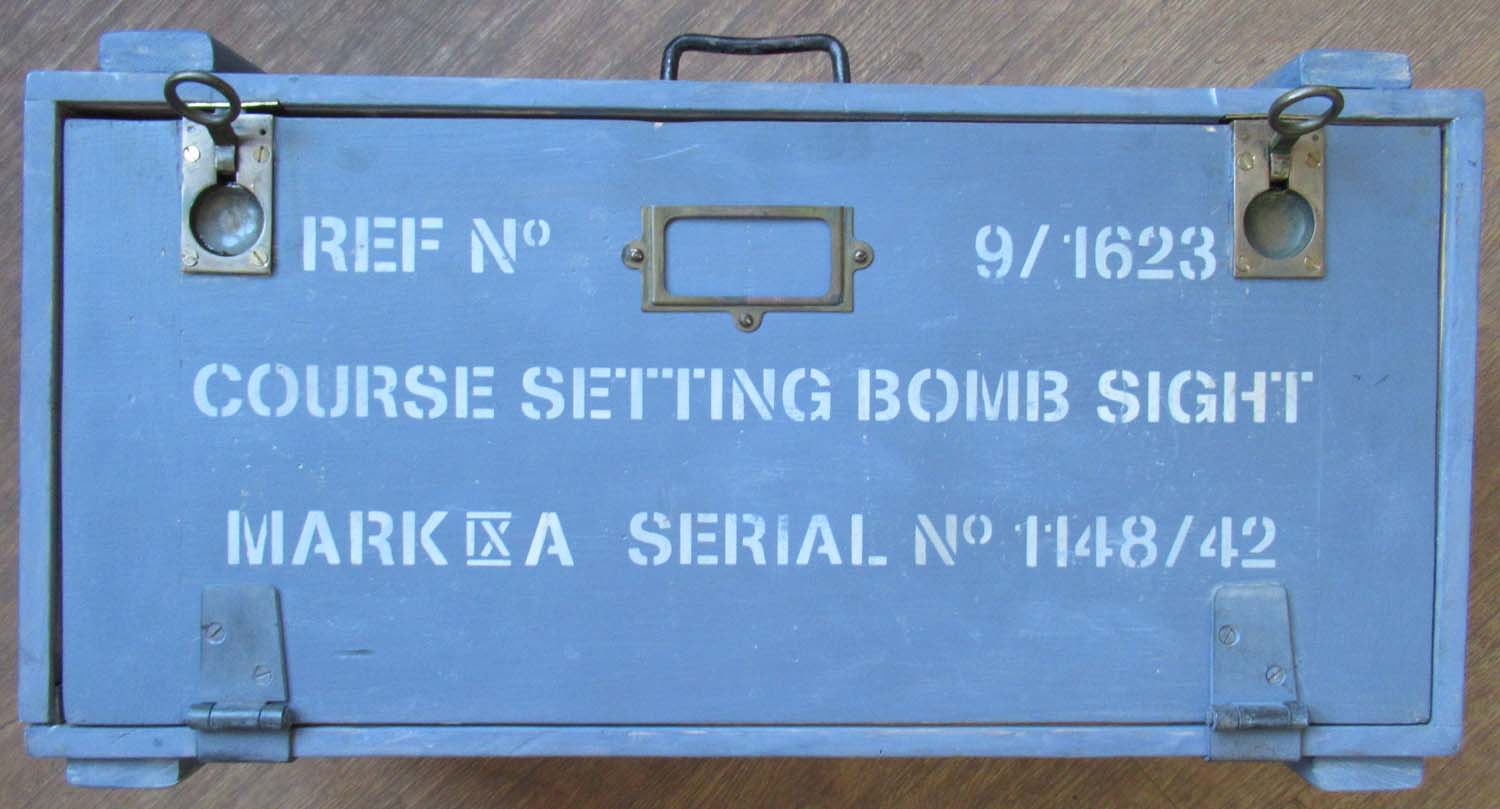
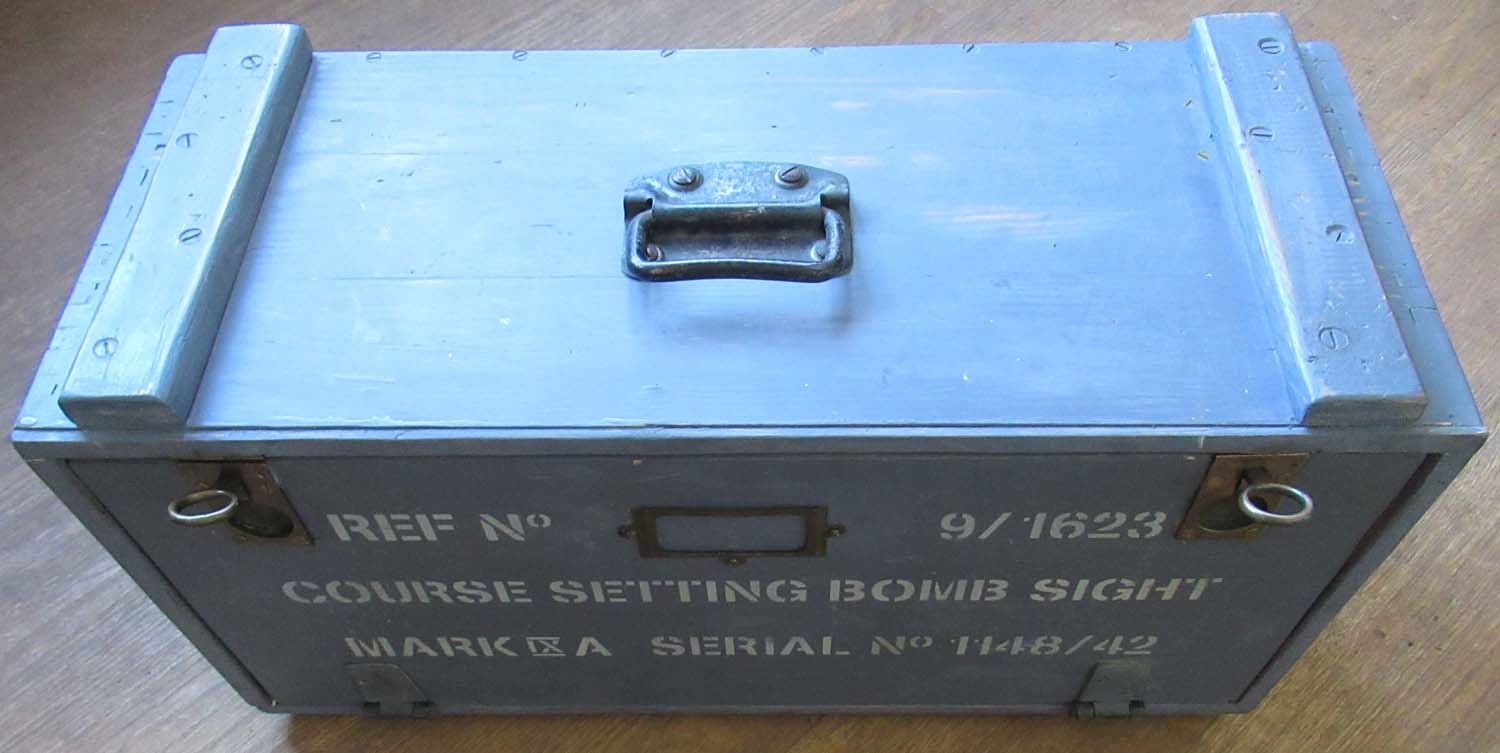
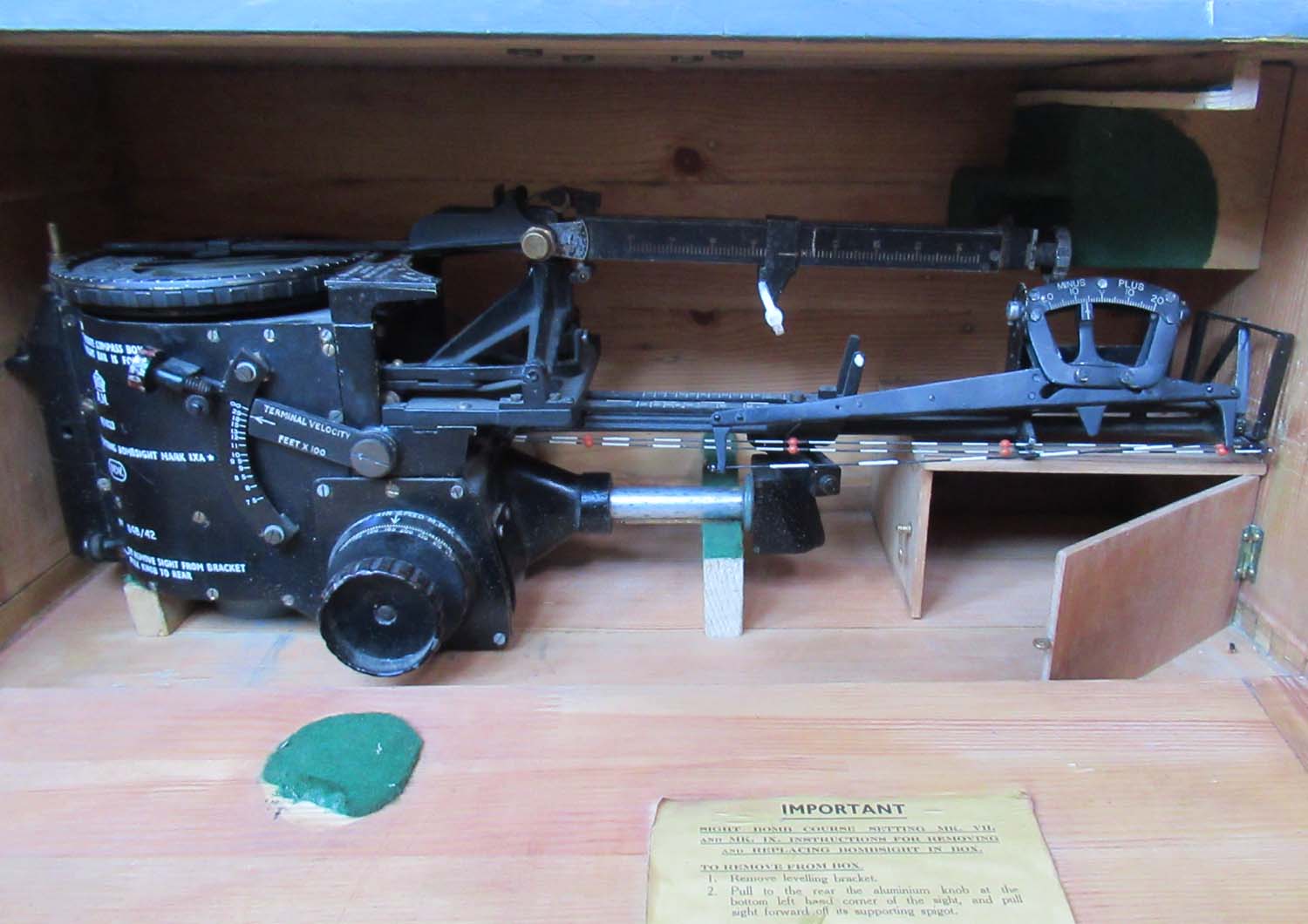
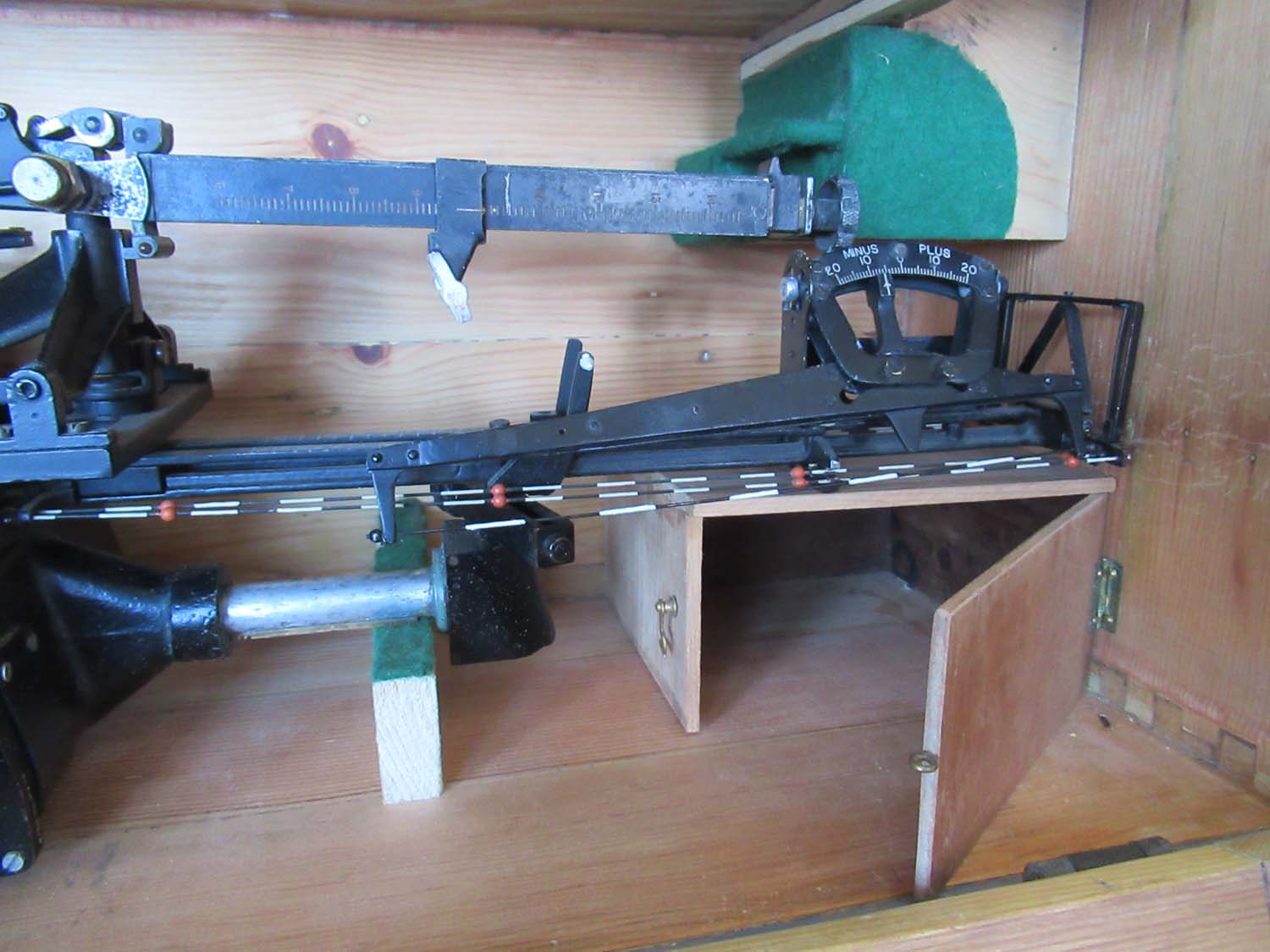
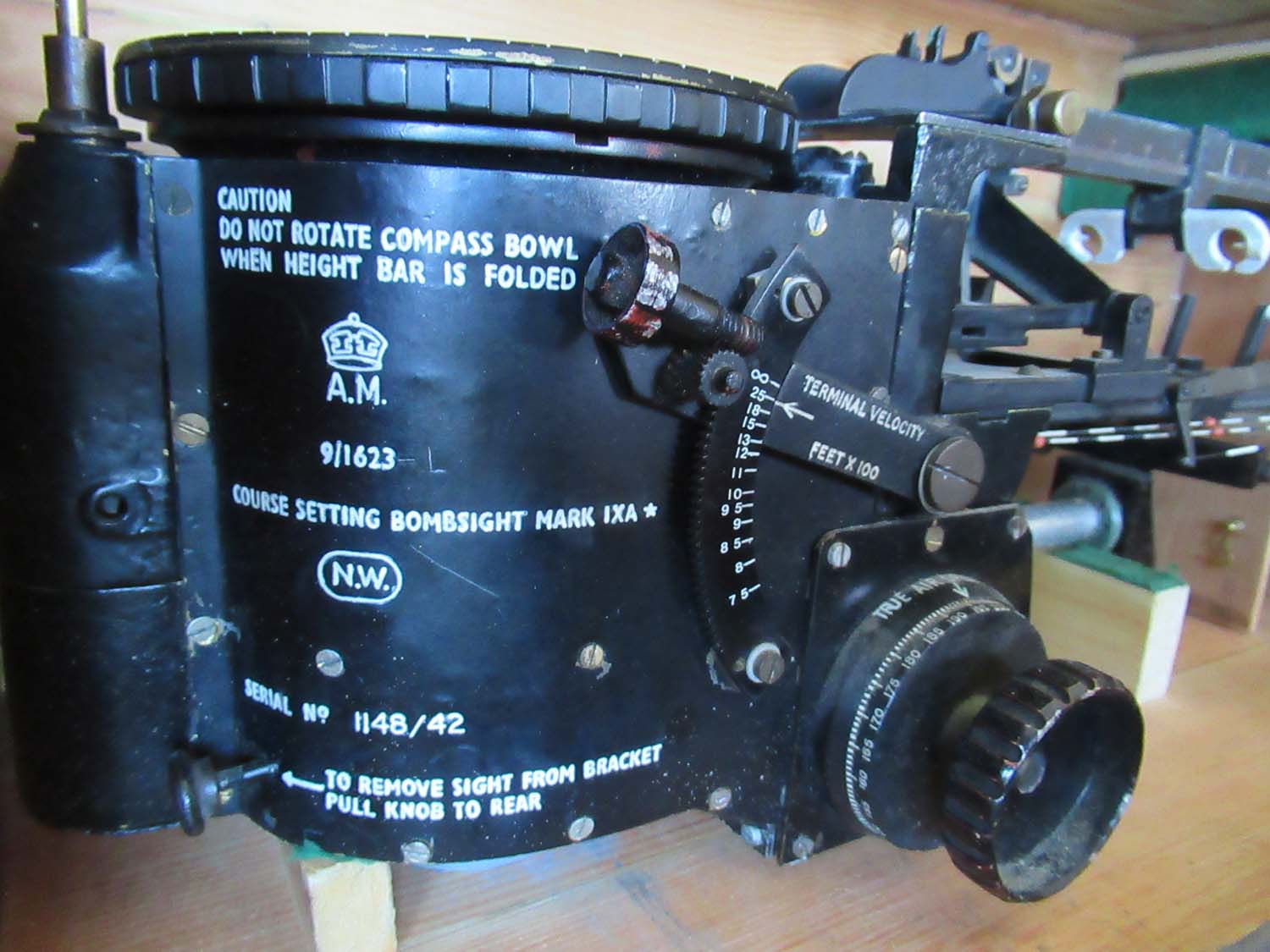
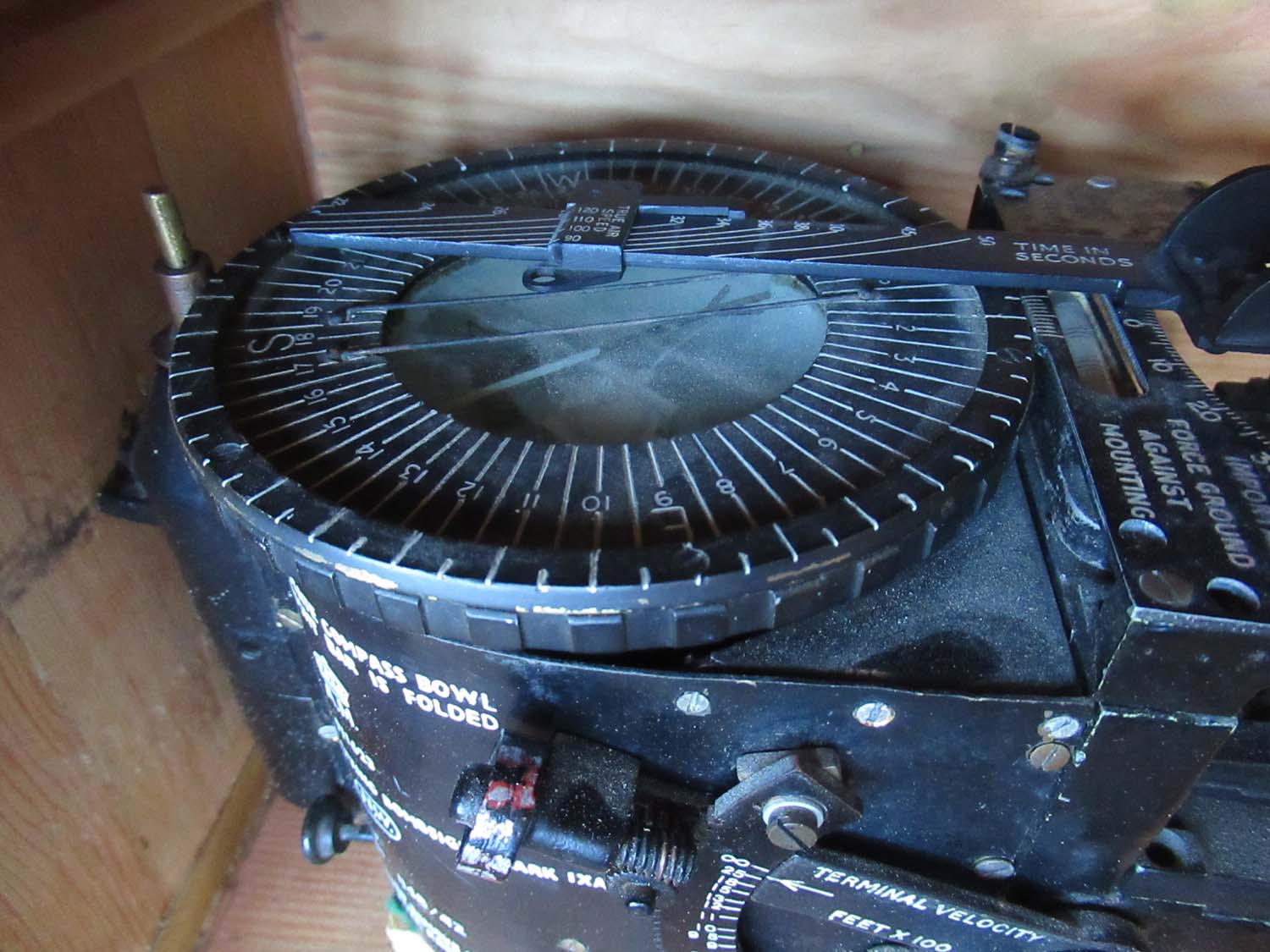
Mark IX A Course Setting Bomb Sight (No 110 pg1 Arm)

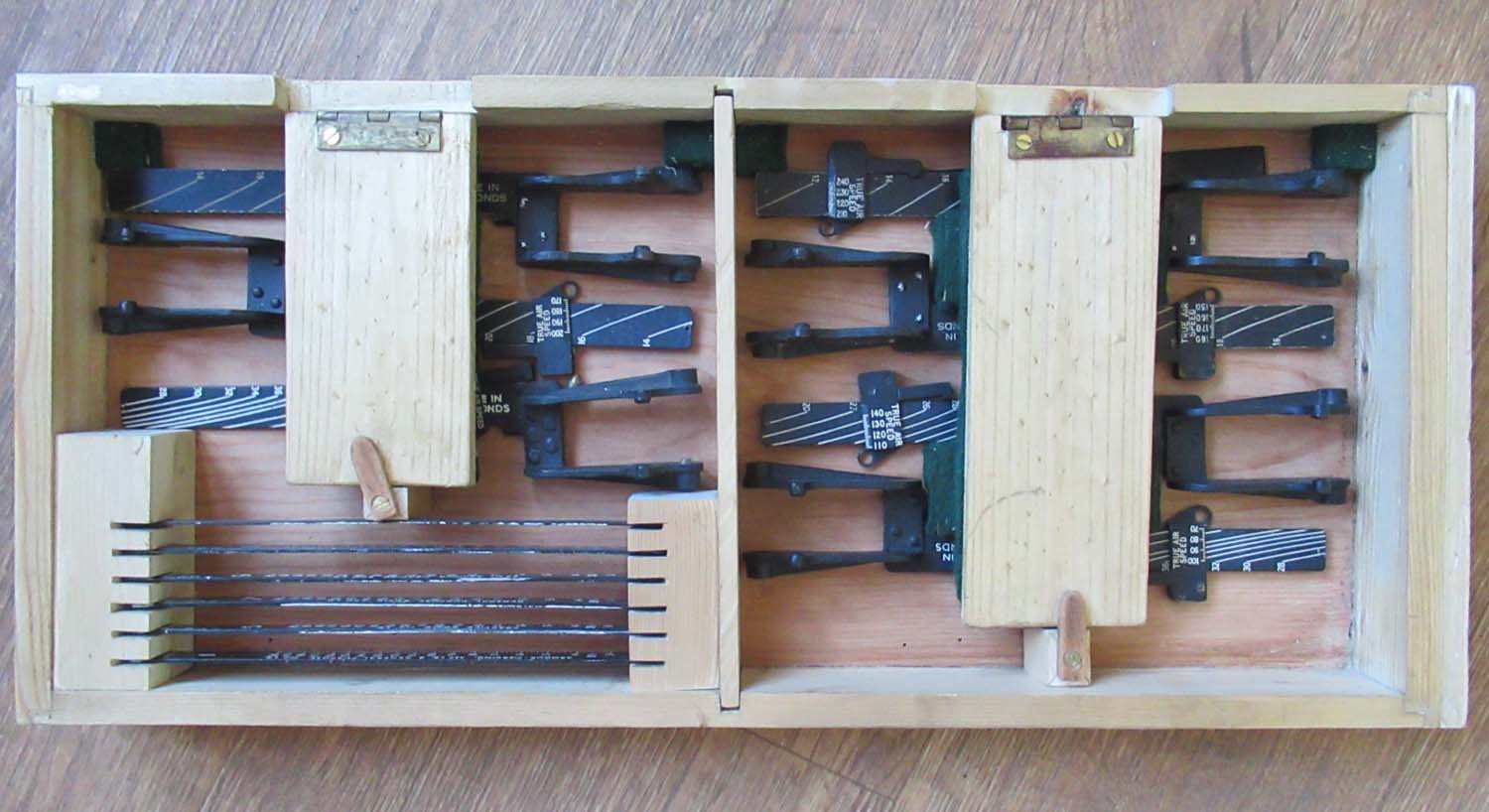
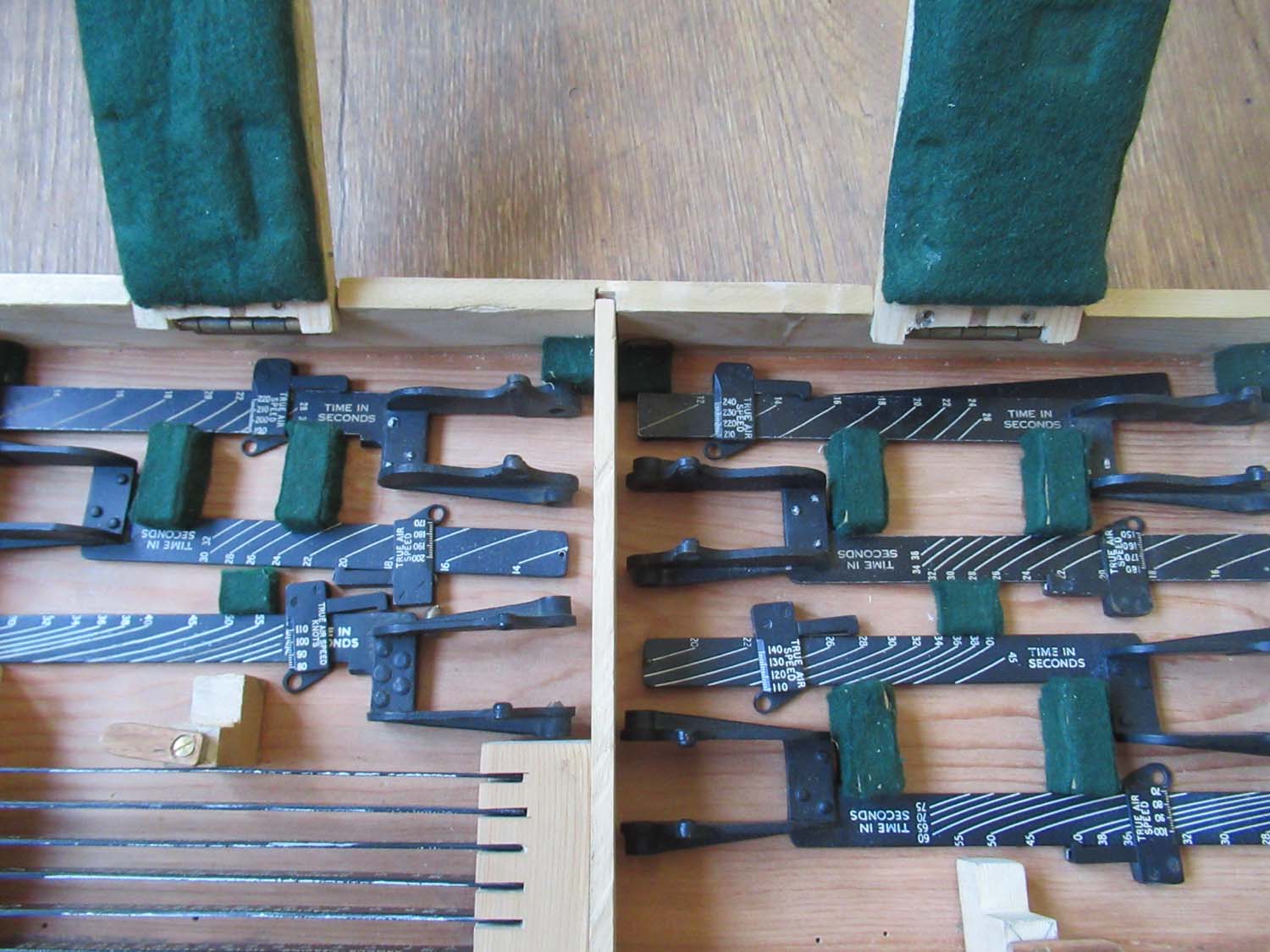
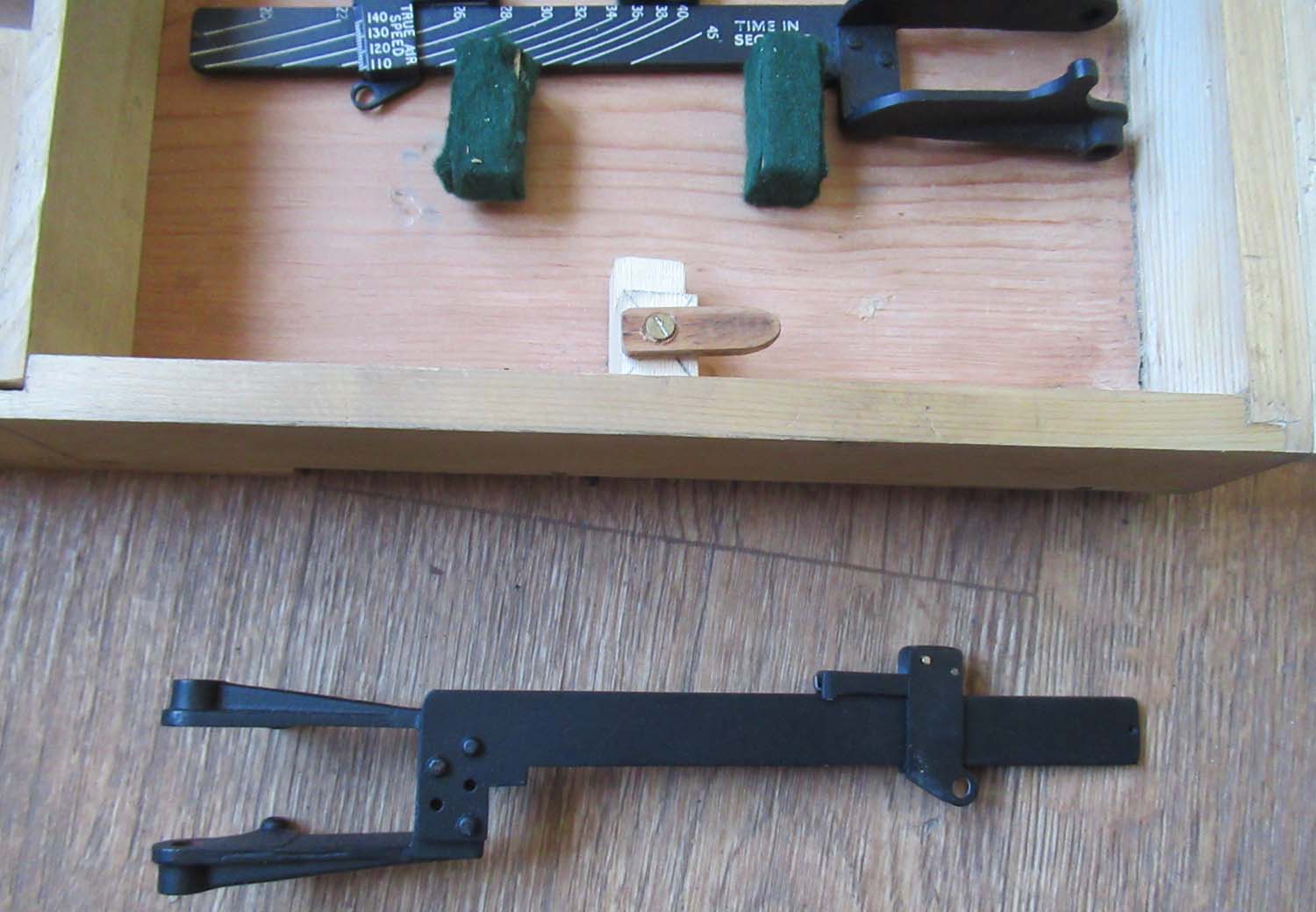
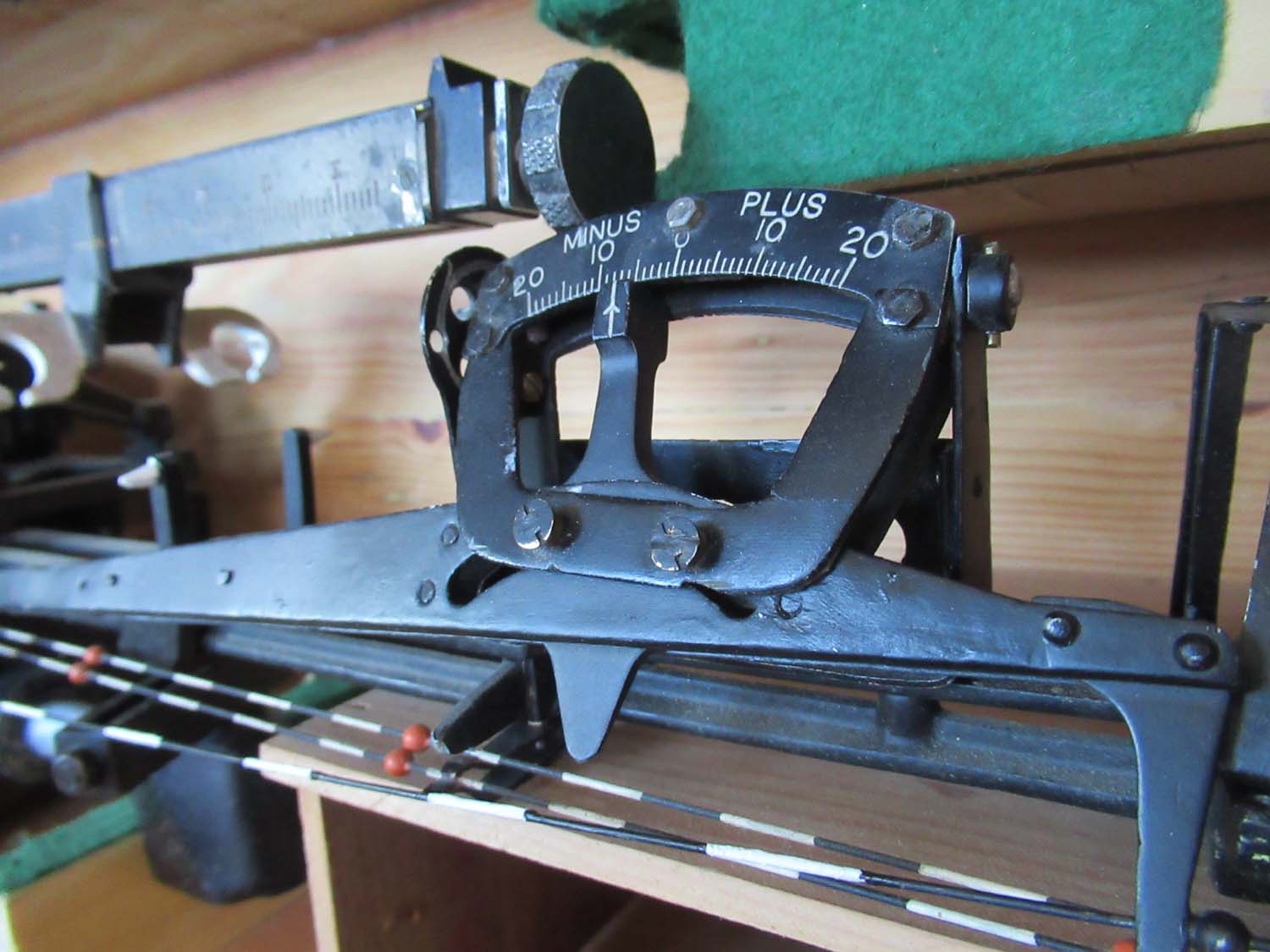
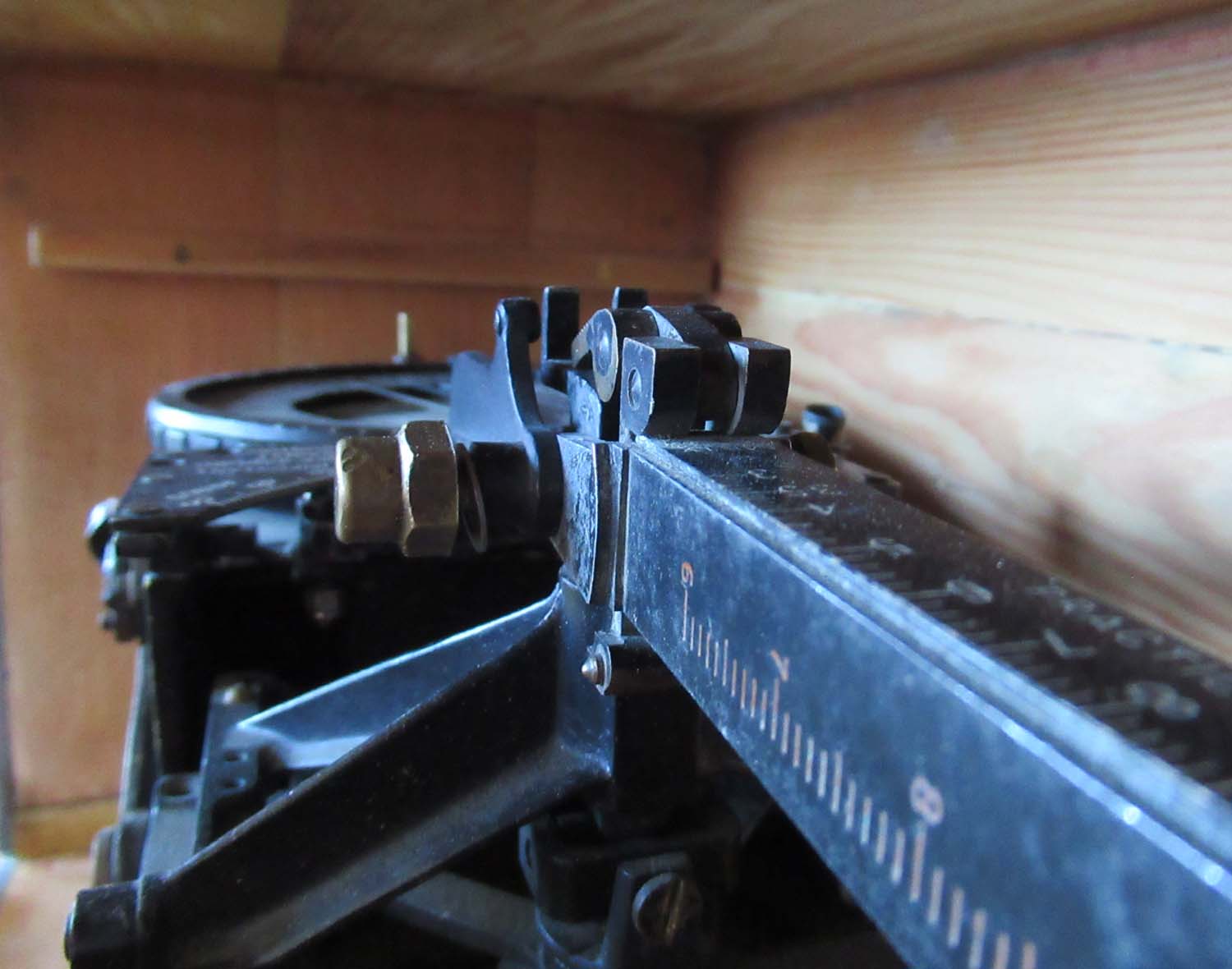
Here we have a superb and rare MK IX course setting bombsight used in both World Wars. This example comes complete in its original transit box and I have not seen a better example of this ornate and rare sight.

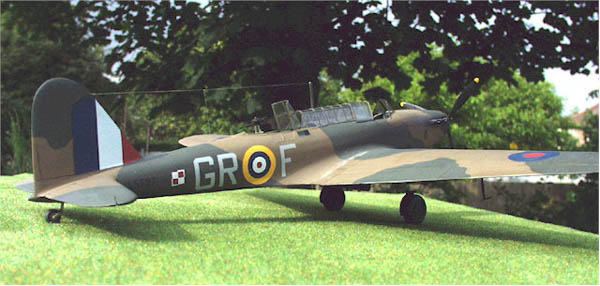
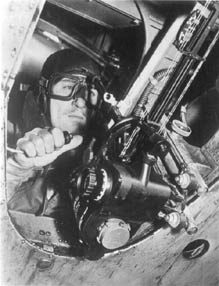
Shown above the fairey Battle and the MK IX fitted to a Battle.

Dated 1942

Ref No: 9/1623

Serial No: 1148/42

The Course Setting Bomb Sight (CSBS) is the canonical vector bombsight, the first practical system for properly accounting for the effects of wind when dropping bombs.

It is also widely referred to as the Wimperis sight after its inventor, Harry Wimperis.

The CSBS was developed for the Royal Naval Air Service (RNAS) in order to attack submarines and ships.

 It was introduced in 1917, and was such a great advance over earlier designs that it was quickly adopted by the Royal Flying Corps.

 It has been called "the most important bomb sight of WWI.

After the WWI the design found widespread use around the world. A US version of the CSBS was used by Billy Mitchell on his famous attack on the Ostfriesland in 1921.

The basic design was adapted by almost all air forces and used well into World War II. It was eventually replaced in British service by more advanced designs like the Mark XIV bomb sight and the Stabilized Automatic Bomb Sight. Other services used vector bombsights throughout the war.

Click on pictures to enlarge


  This is a large and heavy item  Please contact me for a quote.

  £995 down from £1495

Click on the pictures to enlarge them

£3250 Now £1995 Limited time only.

New listing 39% Off

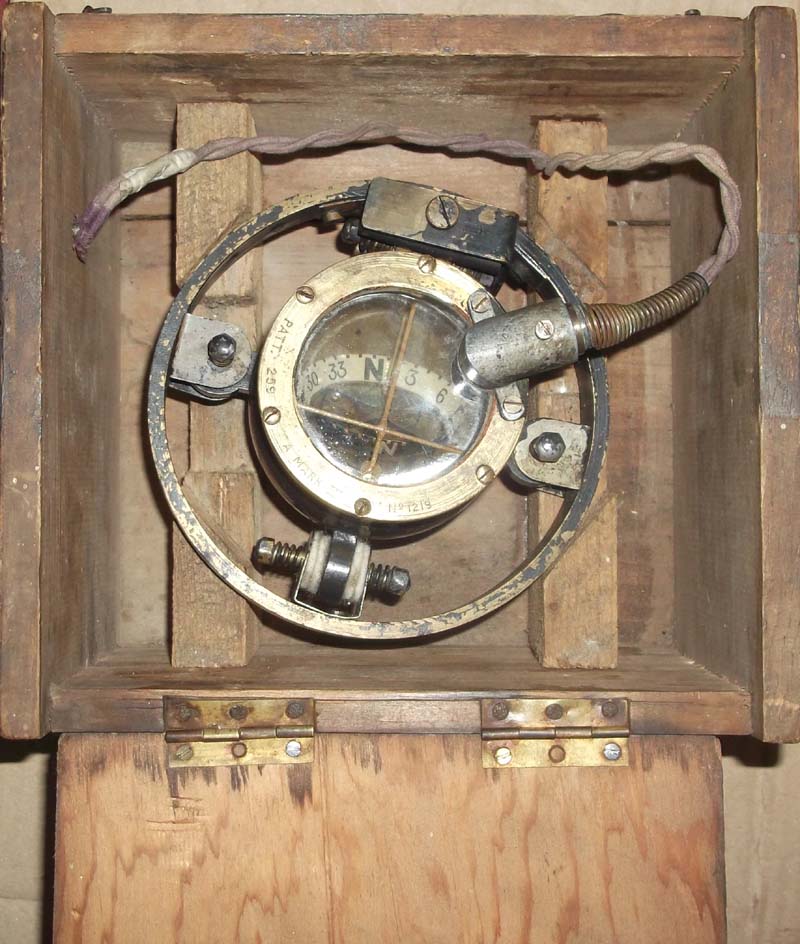
Original Boxed WWI RFC MK II 259 Compass (Pg 5 Compasses and Clocks 4)

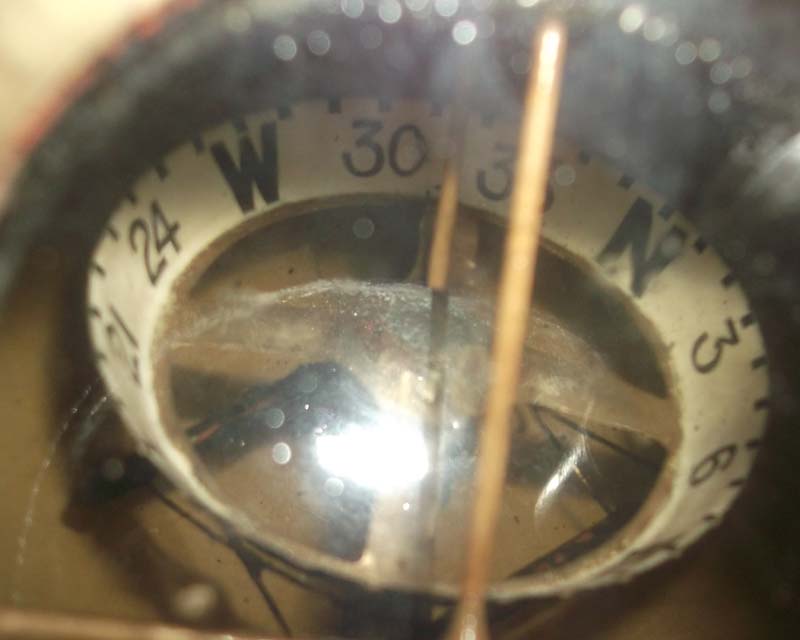
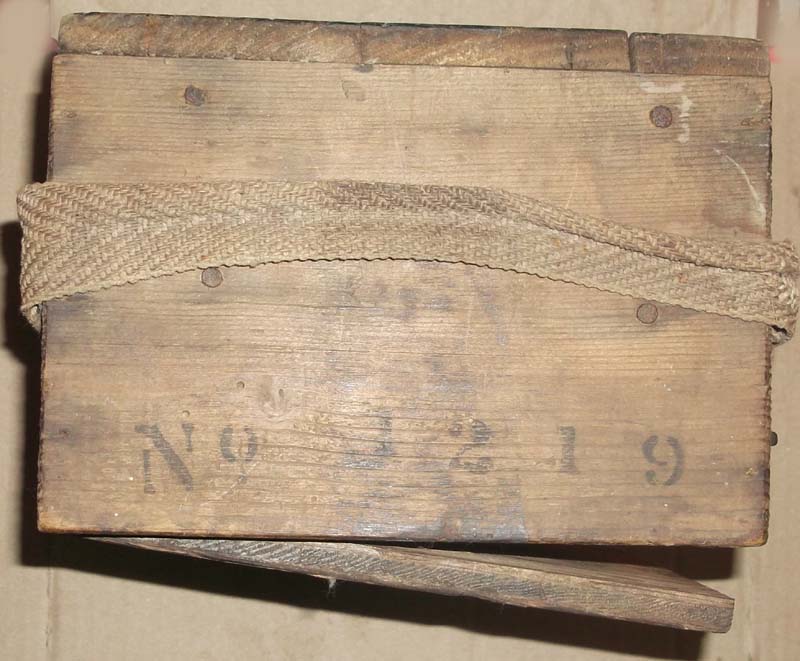
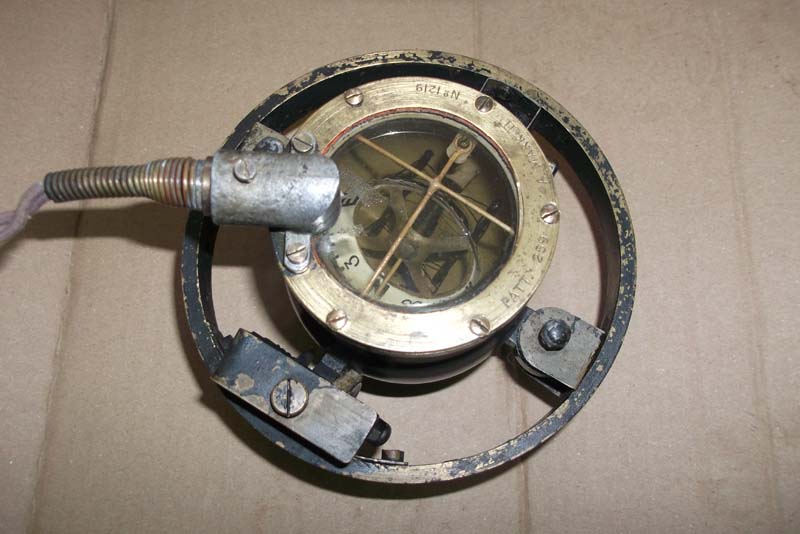
This compass is a superb and extremely rare piece complete in its original box which carries the same serial number as the compass. This is the aircraft version of the  Mk II 259 Compass.

It is in stunning condition and works perfectly in addition it still has its original light fitting with original wire attached.

It has the majority of its original paint and fluid everything about this compass is A1.

If this could tell a story a piece from the first brutal air war where  flimsy and unreliable aircraft were pitted against each other.

This represents a huge investment opportunity at our hangar sale price for something almost unique and not for sale anywhere else.

Click on the pictures to enlarge them

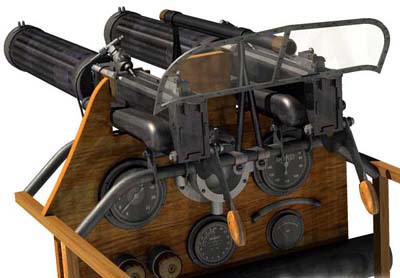
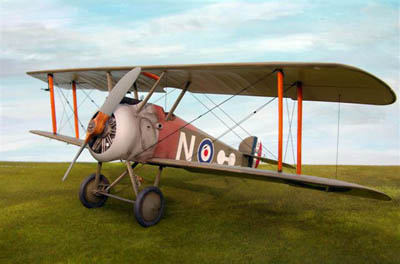
Above seen in situ in a Camel cockpit

Serial number  1219


Click on the picture's to enlarge them.

£295 Now £95

New listing 68% Off

Type 12D B17 Compass (Pg 5 Compasses and Clocks 66)

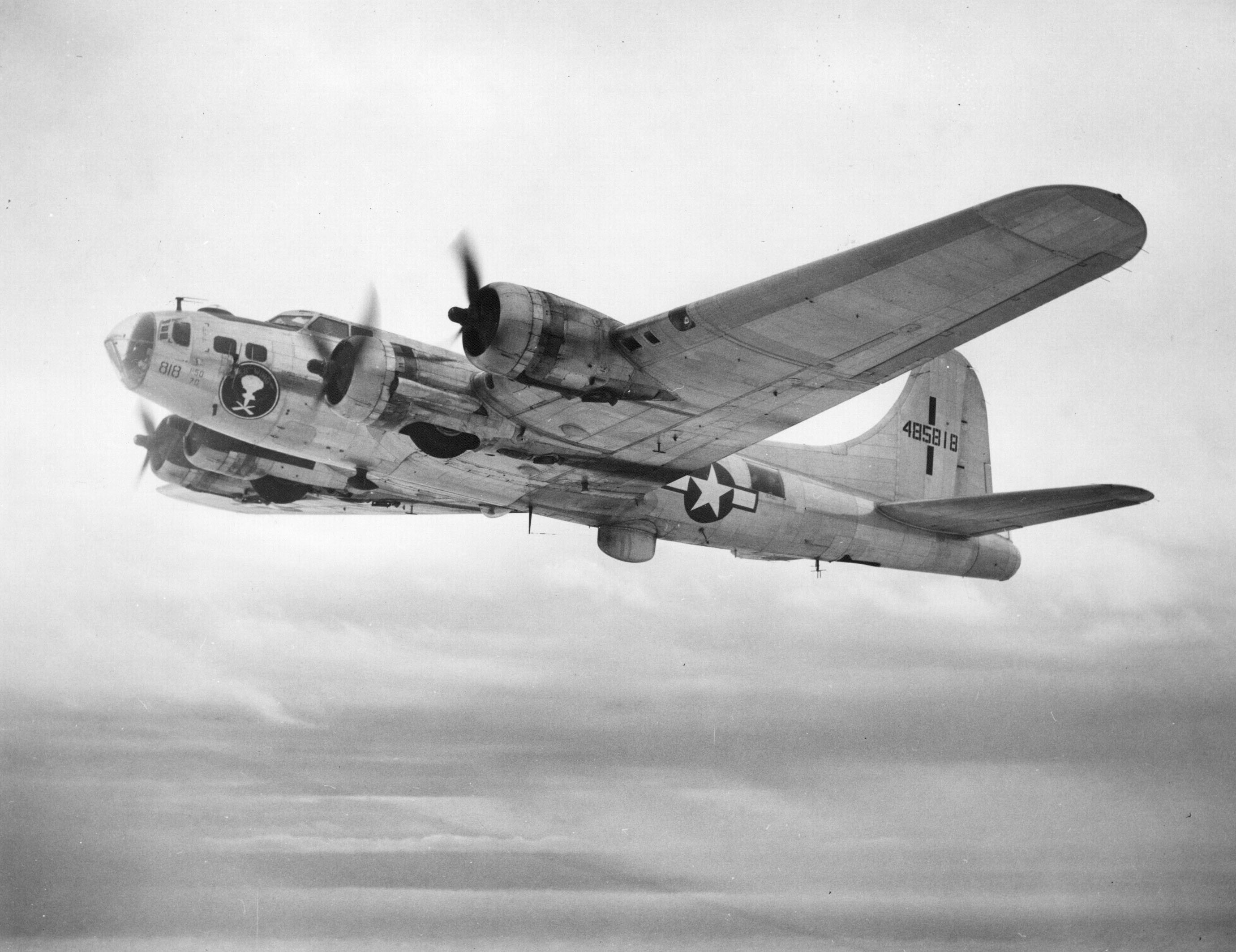
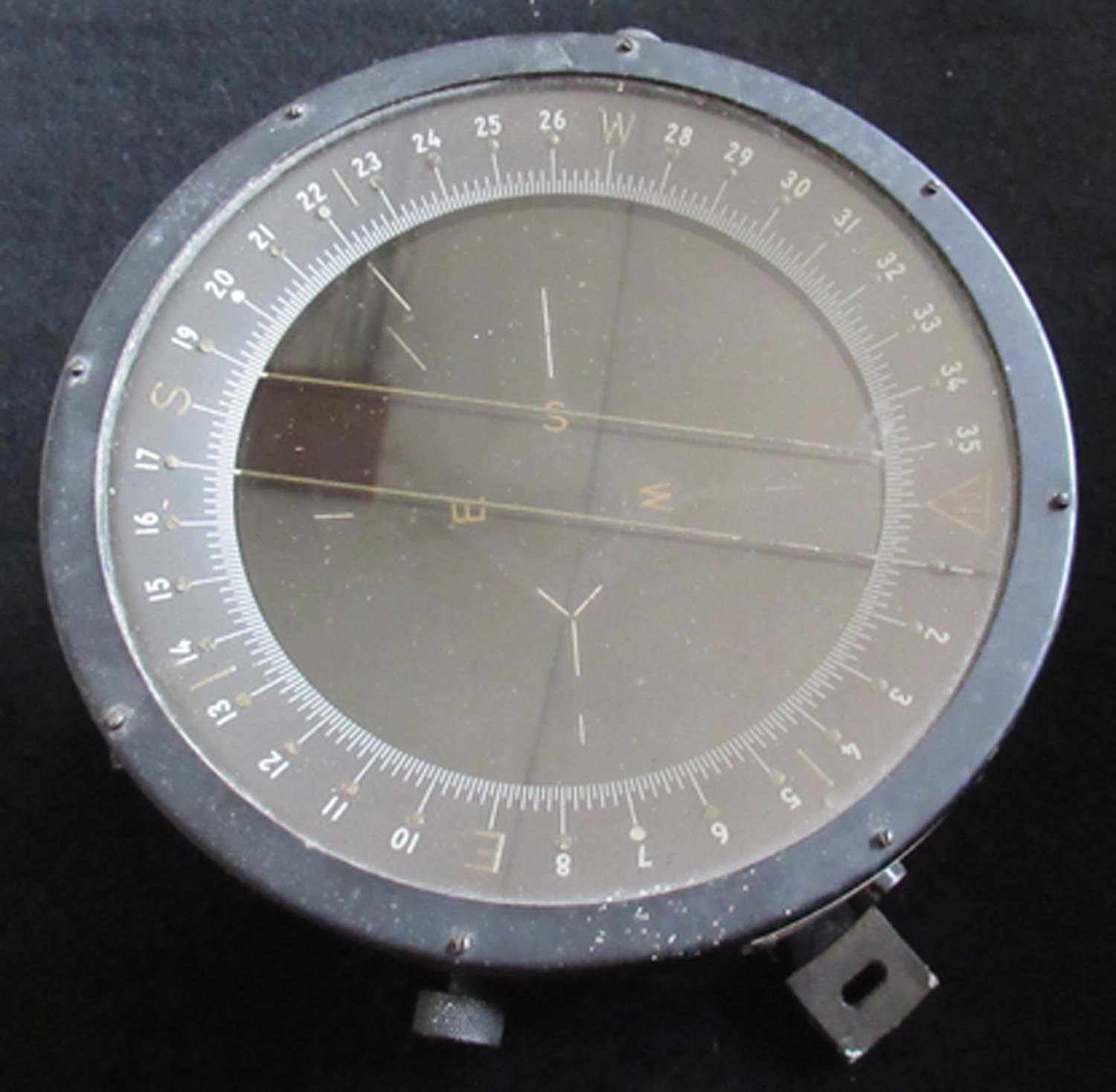
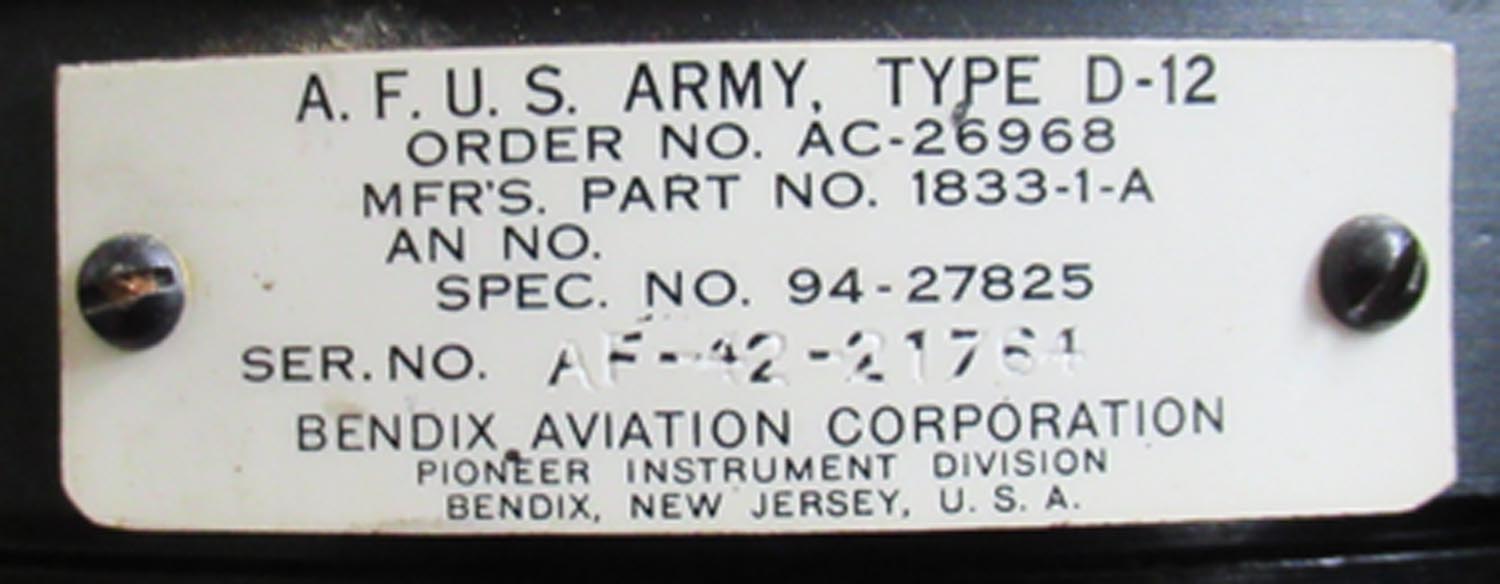
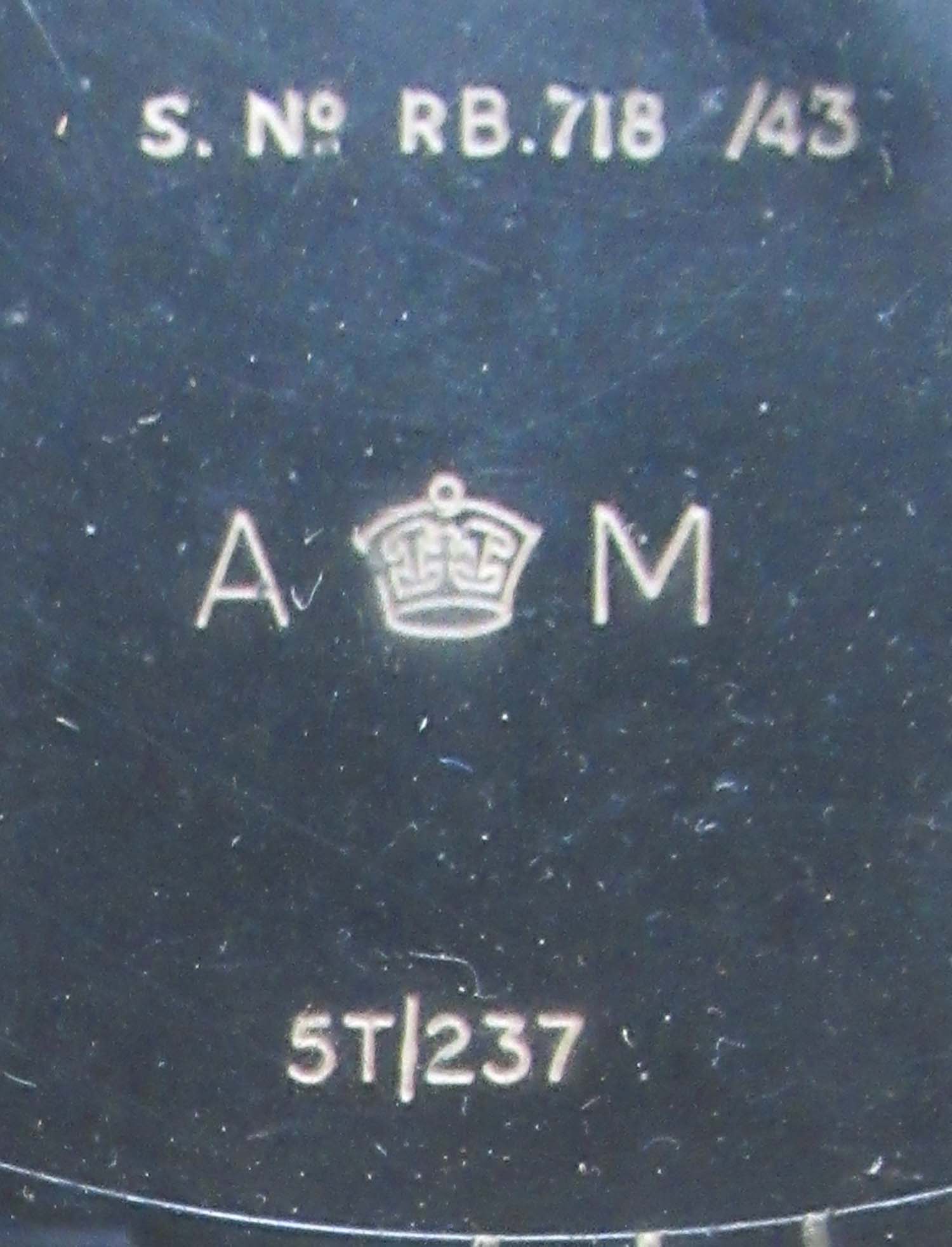
Here is a nice example of the Type 12D Compass used in both the B17 Flying fortress and B24 Liberator . Its in good condition with its mounting lugs and compass corrector. There is no longer any fluid having evaporated over the years but still functions as it should.

Click on the picture's to enlarge them.

Click on pictures to enlarge them

New listing 36% Off this is such a cool and unique piece

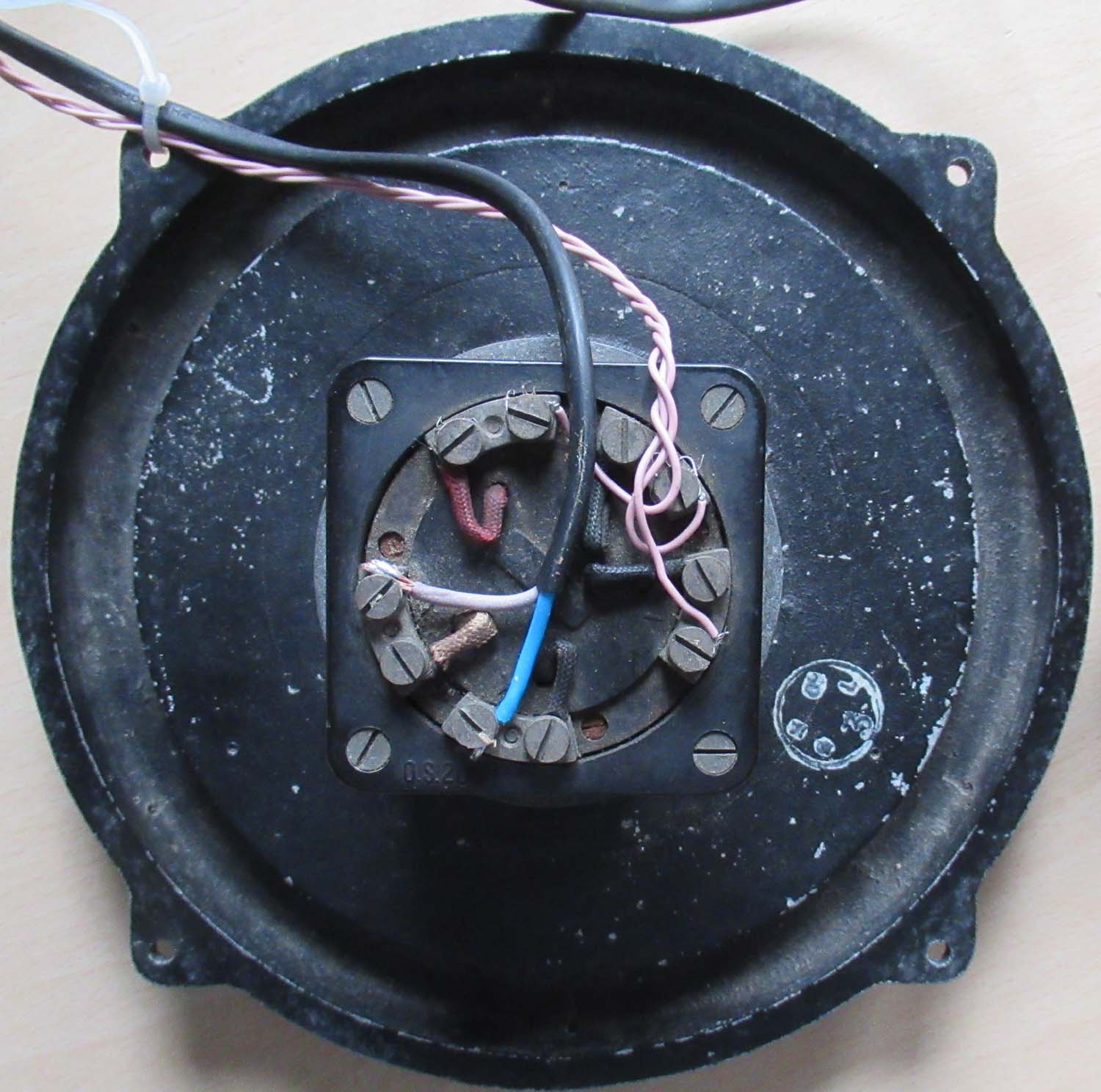
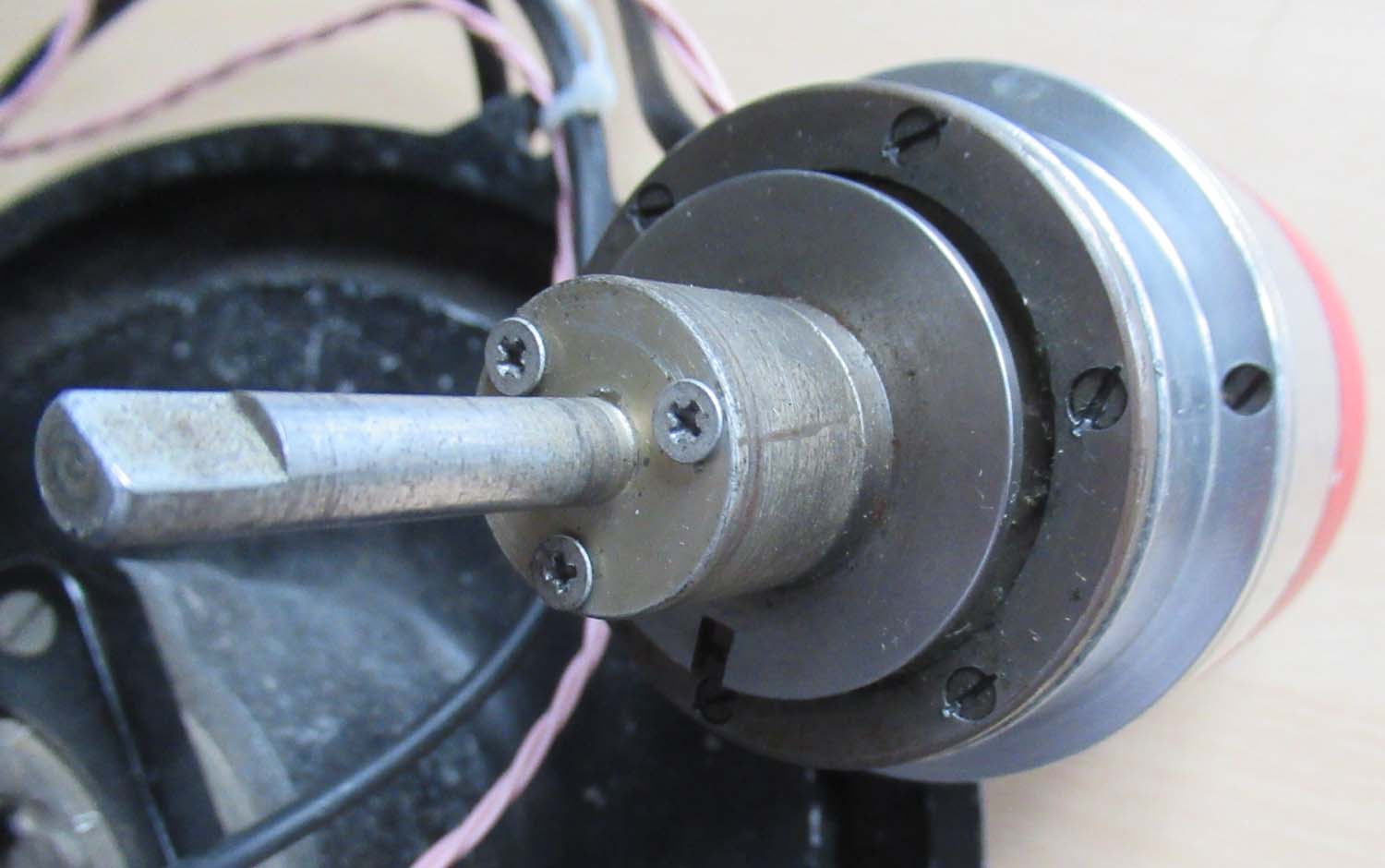
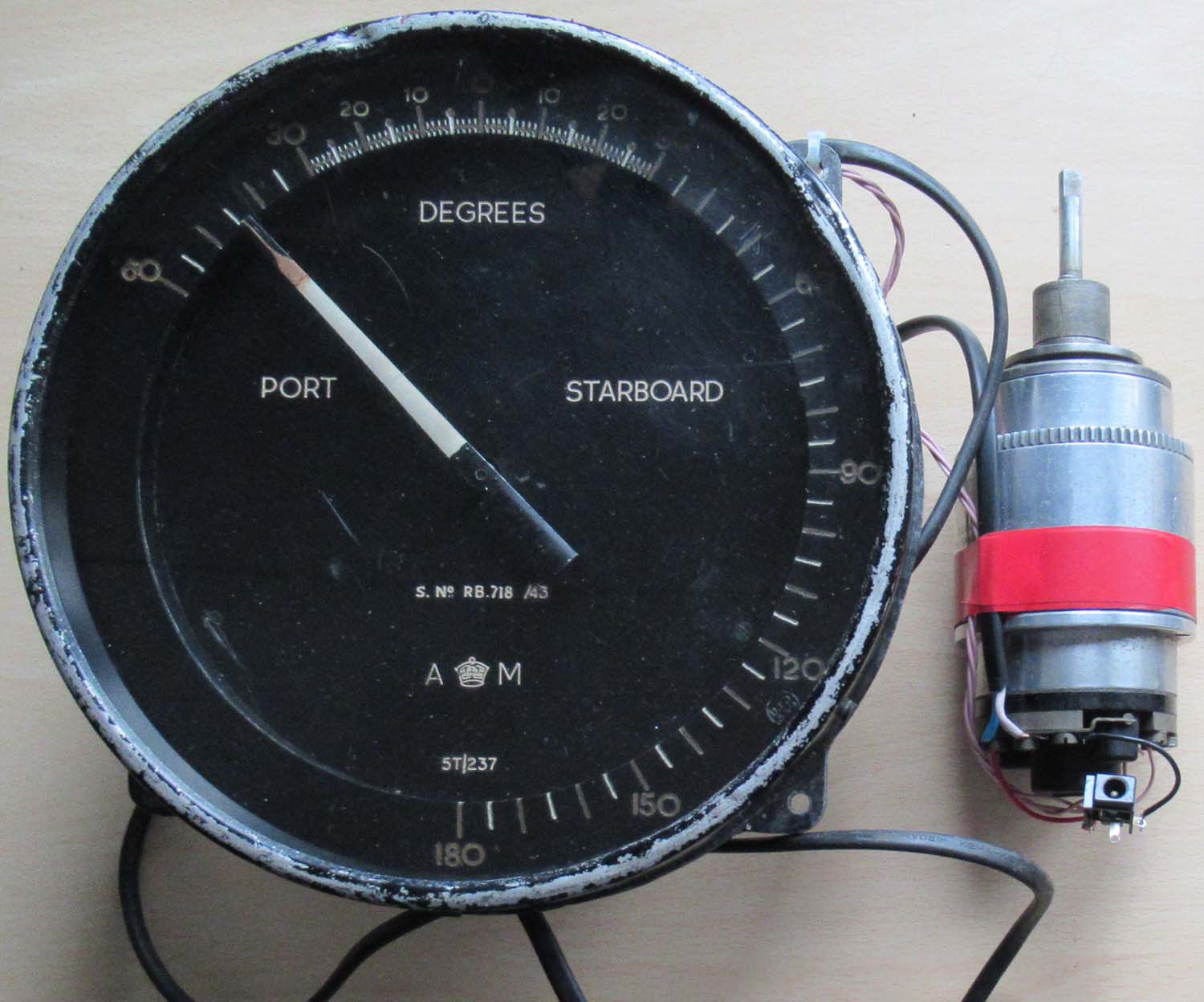
RAF Anti U Boat Leigh light Selsyn indicator and drive unit  (No 21 pg1 Inst)


Here is a very rare peace it is an indicator from the Leigh light system devised in 1942 to aid planes of coastal command when attacking U-boats at night.
Its a large instrument measuring just over 20cm across.


The operator could aim the light at the submarine before it was switched on, based on the radar display.


The light is moved by either electrical or hydraulic remote control and its position fed back using the self synchronising motors ("selsyn").In many cases the searchlight was mounted on the starboard wing, hence the strange asymmetry of the markings. It would unwise to point the light too far left, as it would dazzle the pilot and illuminate the plane fuselage.

Selsyn motors were widely used in military equipment for remote control and indication. A small 3 phase motor in the indicator is driven by a similar one in the transmitter.
First fitted to the Welligton Bomber which took advantage of the hole in the base of the Wellington left by the removal of the ventral turret used on early Wellingtons.
The first confirmed kill came a month later, on 5 July, when a Wellington piloted by Pilot/Officer Howell, one of many Americans who had joined the RAF, sank U-502 in the Bay of Biscay.


Not every Coastal Command aircraft could carry the Leigh Light. An attempt was made to fit it to the Halifax bomber in 1944, but the edge of the bomb bay blocked the light. No attempt was made to fit the Leigh Light to the Sunderland. It was used with the Liberator, which had much longer range than the Wellington.


The Leigh Light remained in use throughout the war – at the end of 1944 Coastal Command had 119 Leigh Light equipped Wellingtons.


Although the Leigh Light was not responsible for a large number of confirmed U-boat kills, it did force the U-boat force to abandon the surface of the Bay of Biscay at night and generally made life much harder for the U-boat crews. Prior to the appearance of the Leigh Light, the U-boats had been safe on the surface at night, using the time to refresh their air and recharge their batteries.

5T/237 Dated 1943. Click on the pictures to enlarge
 

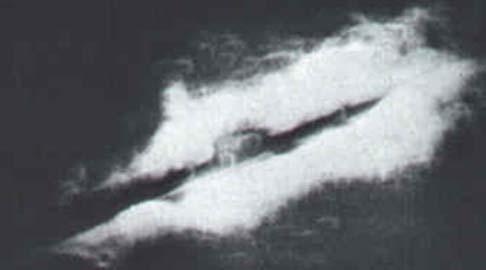
Above far right the successful test of the Leigh light illuminating a British Submarine.

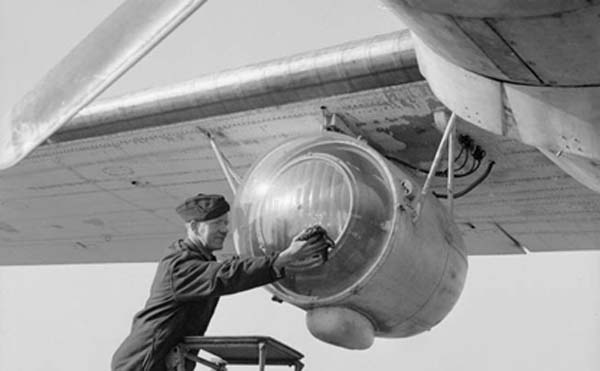
The indicator shown above left in situ and above a Leigh light. Far right U 502 the first U Boat sunk using the Leigh light system

The Leigh Light (L/L) was a British World War II era anti-submarine device used in the Battle of the Atlantic. It was a powerful (22 million candela) carbon arc searchlight of 24 inches (610 mm) diameter fitted to a number of the British Royal Air Force's Coastal Command patrol bombers to help them spot surfaced German U-boats at night.

Early night operations with the new Air-to-Surface Vessel radar (ASV) demonstrated that the radar's minimum range of about 1 kilometre (0.62 mi) meant that the target was still invisible when it disappeared off the radar display.

 Efforts to reduce this minimum were not successful, so Wing Commander Humphrey de Verd Leigh hit upon the idea of using a searchlight that would be switched on just when the target was about to disappear on radar.

The U-boat had insufficient time to dive and the bombardier had a clear view of the target. Introduced in June 1942, it was so successful that for a time German submarines were forced to switch to charging their batteries during the daytime, when they could at least see aircraft approaching.

Germany introduced the Metox radar warning receiver in an effort to counter the combination of ASV and Leigh Light. Metox provided the submarine crew with early warning that an aircraft using radar was approaching.

 Because the radar warning receiver could detect radar emissions at a greater range than the radar could detect vessels, this often gave the U-boat enough warning to dive. Having expected this, the Allies introduced the ASV Mk. III radar, regaining control of the battle.

Although the German Naxos countered these radars, by this time the U-boat force was already damaged beyond repair.

 £275 Now £175

 

£300 the pair Now £150

Overseas buyers please contact me for shipping cost

New listing 50% Off

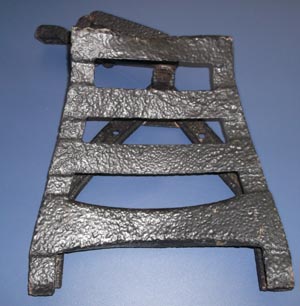
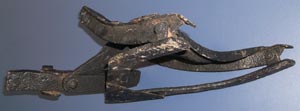
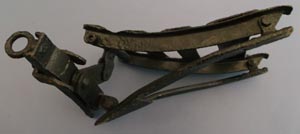
Luftwaffe Wheel Chocks (No. 19 pg 1 UC)

Here is a pair of wartime wheel cocks as used by the Luftwaffe.

These are not perfect and have been restored but both still function folding up and down for storage.

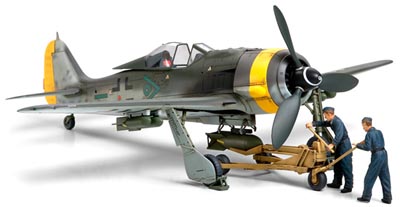
Seen above chocking a FW 190

Click on picture to enlarge

Click on pictures to enlarge

New listing 49% Off Own a piece of WWI History

WWI RFC Wheel (No. 26 pg 1 UC)

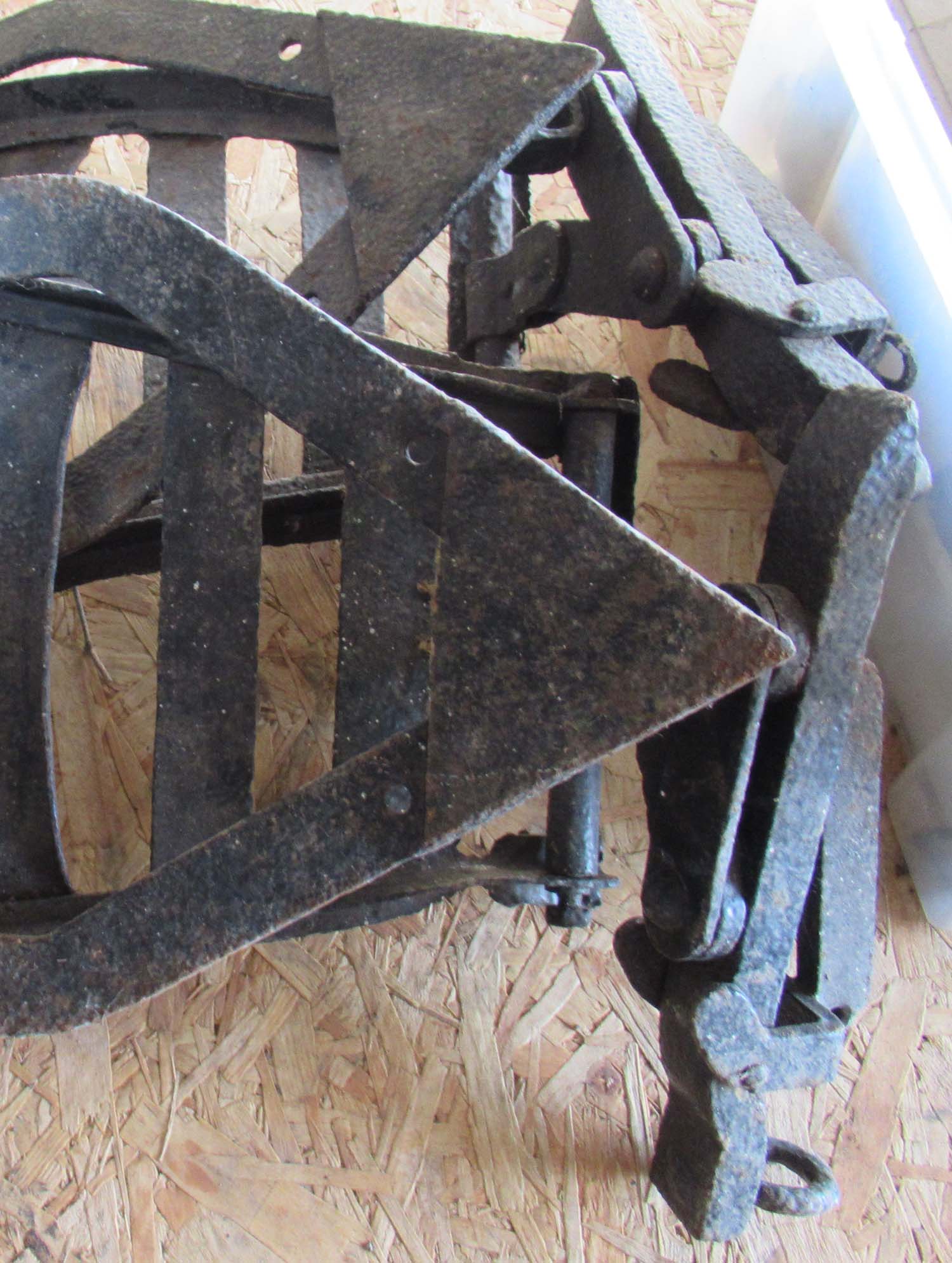
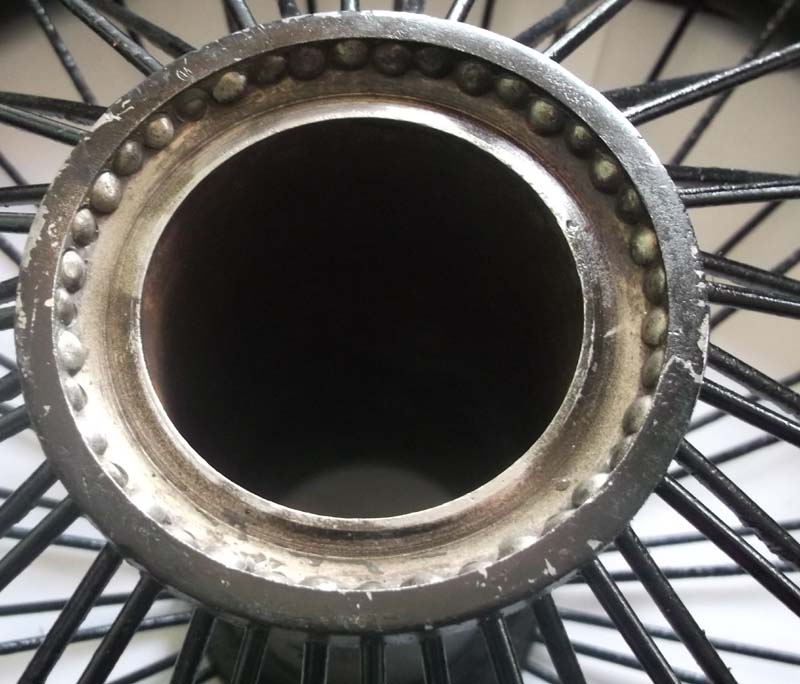
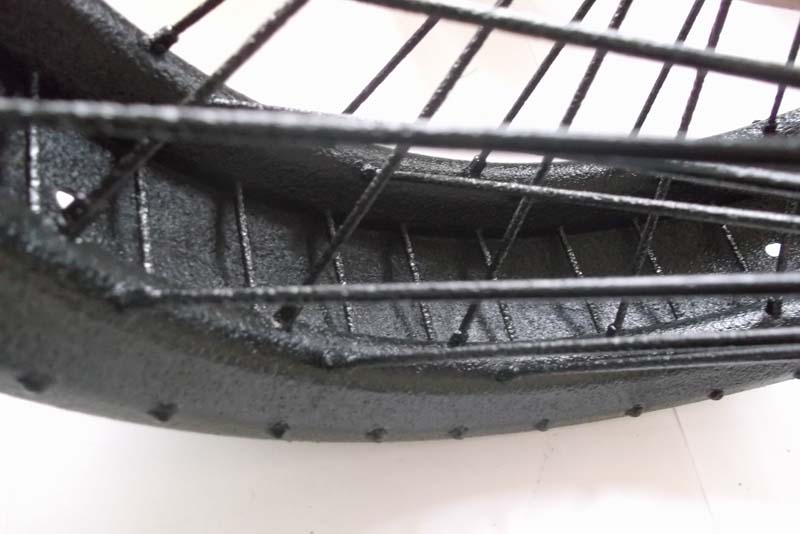
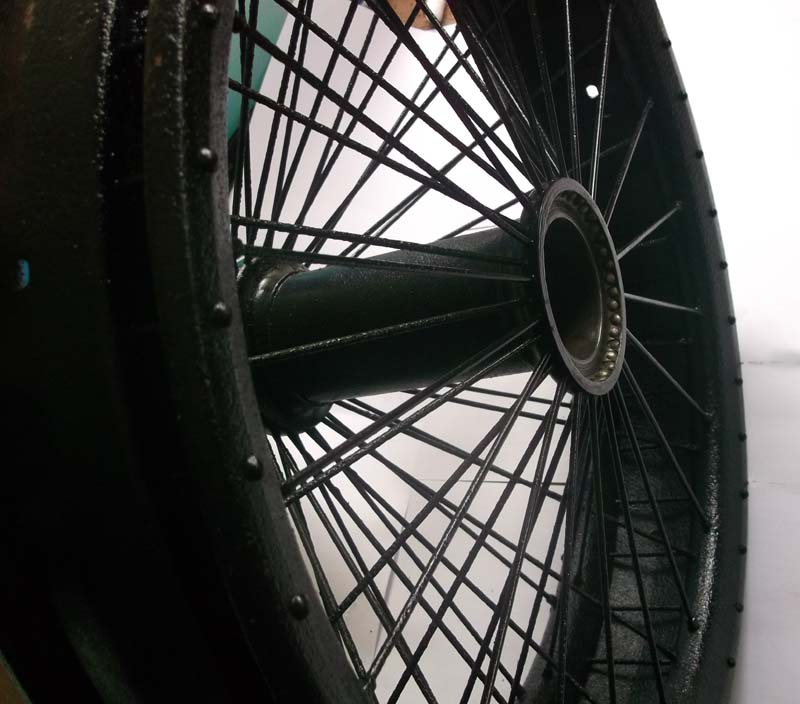
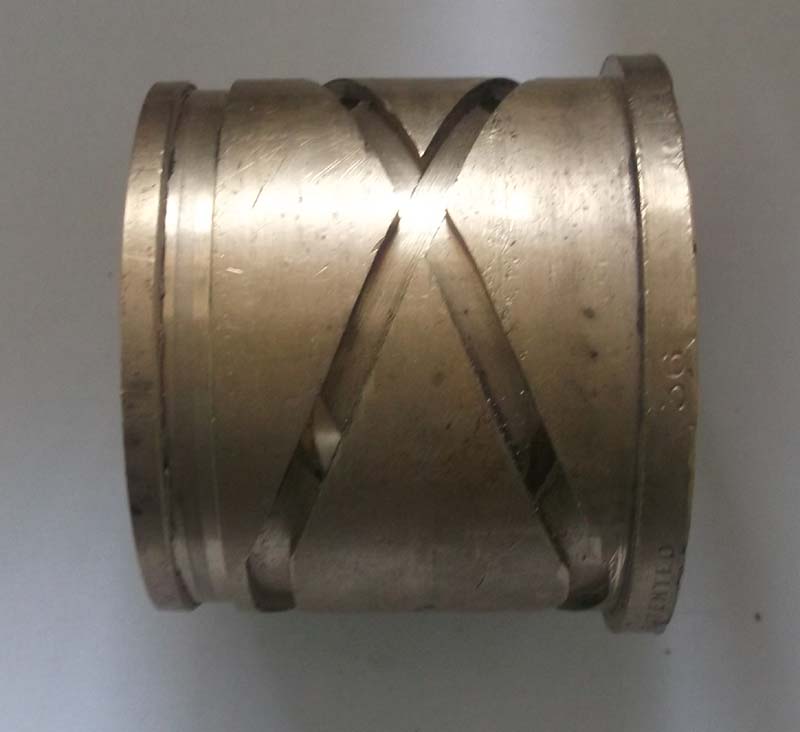
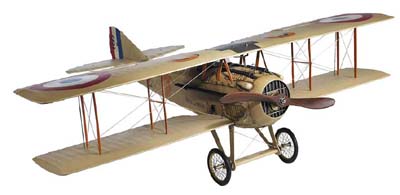
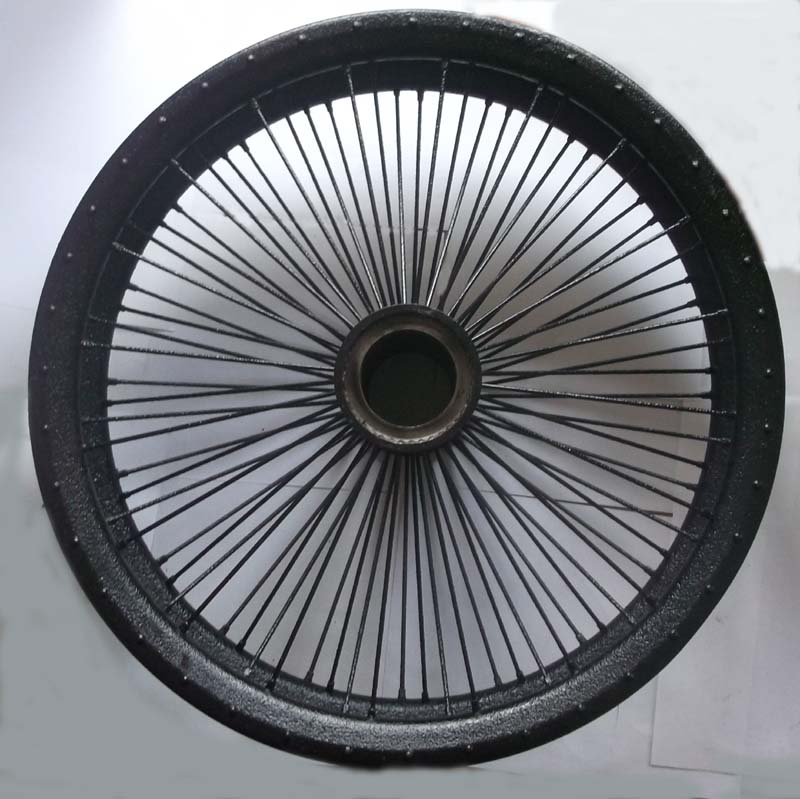
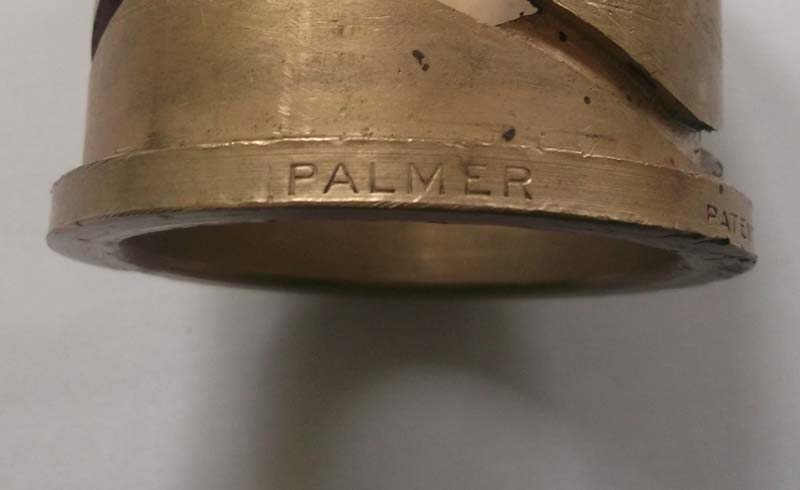
This is a superb piece from WWI over 100 years old its an original wheel from the first military aircraft to fight in the skies over the Western Front. Its an extremely well made piece and allot of thought has gone into making it strong enough to withstand the impact of landing. Made by Palmer complete with its original wheel bearing. In use it would have had a cover usually canvas to reduce drag and improve its aerodynamic quality's. This particular wheel seems to have an unusually large number of spokes and is very heavily built so may be from one of the larger types operated.

Click on pictures to enlarge

Sold

Overseas buyers please contact me for shipping cost

Click on pictures to enlarge

New listing 66% Off

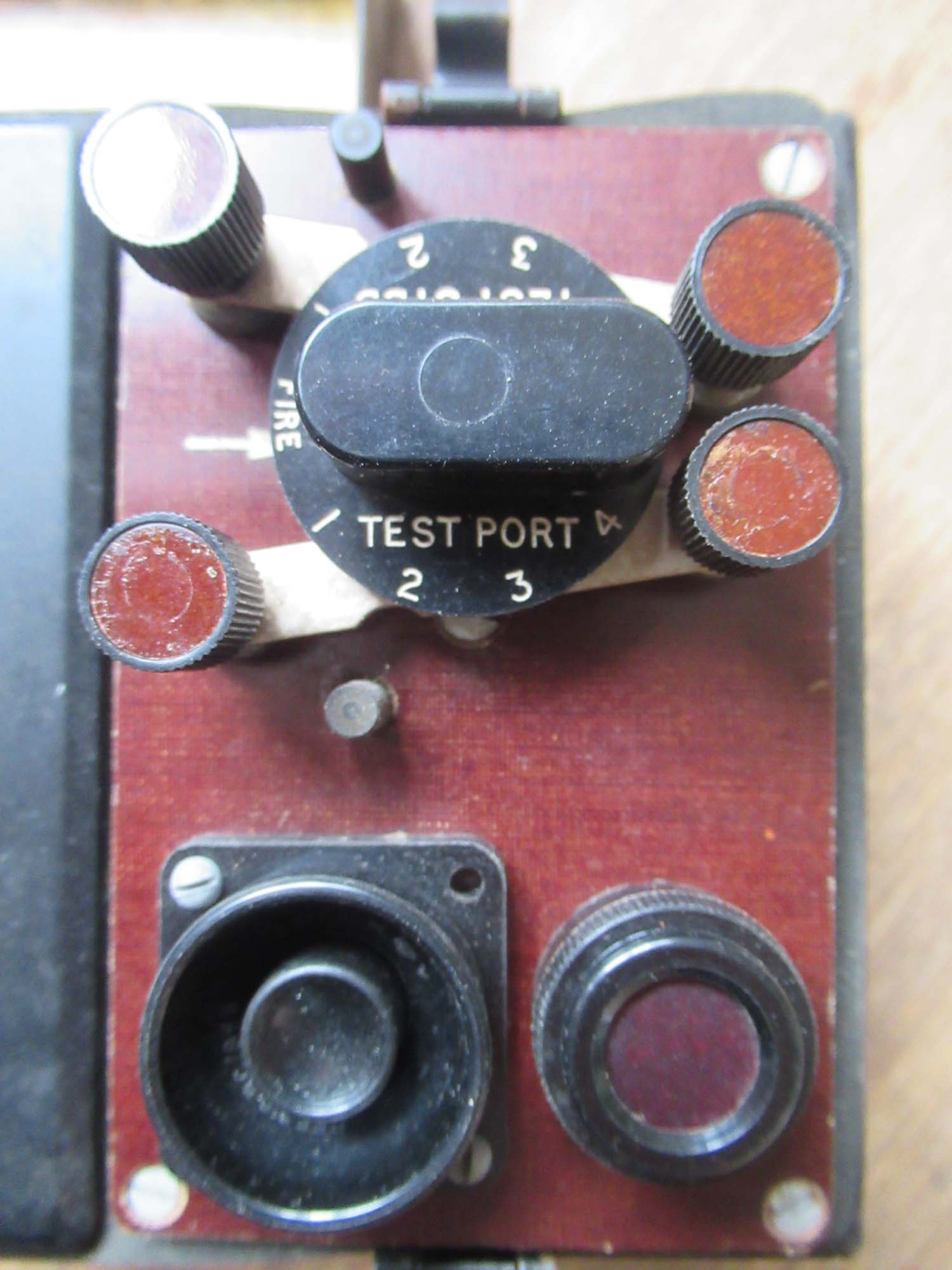
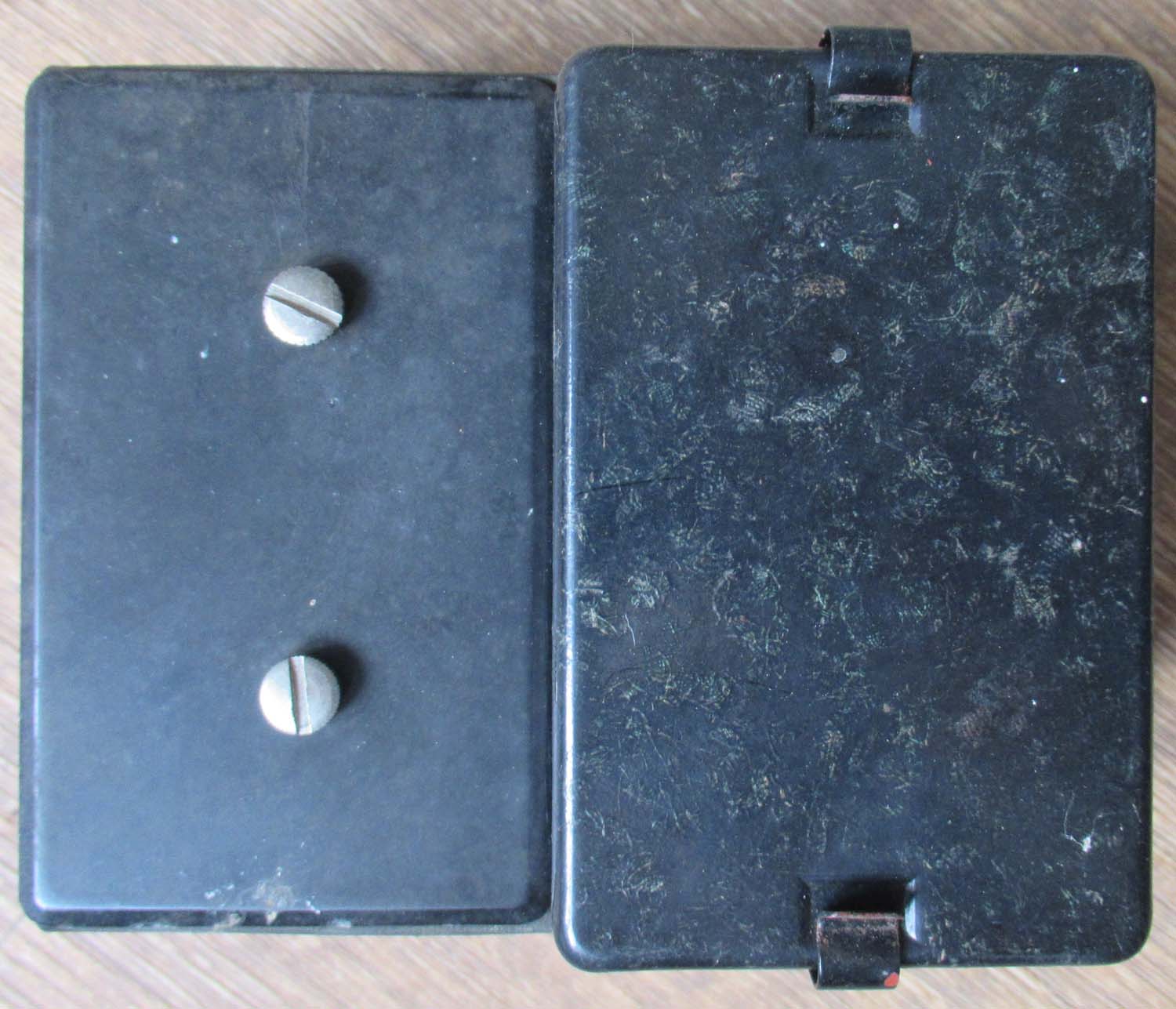
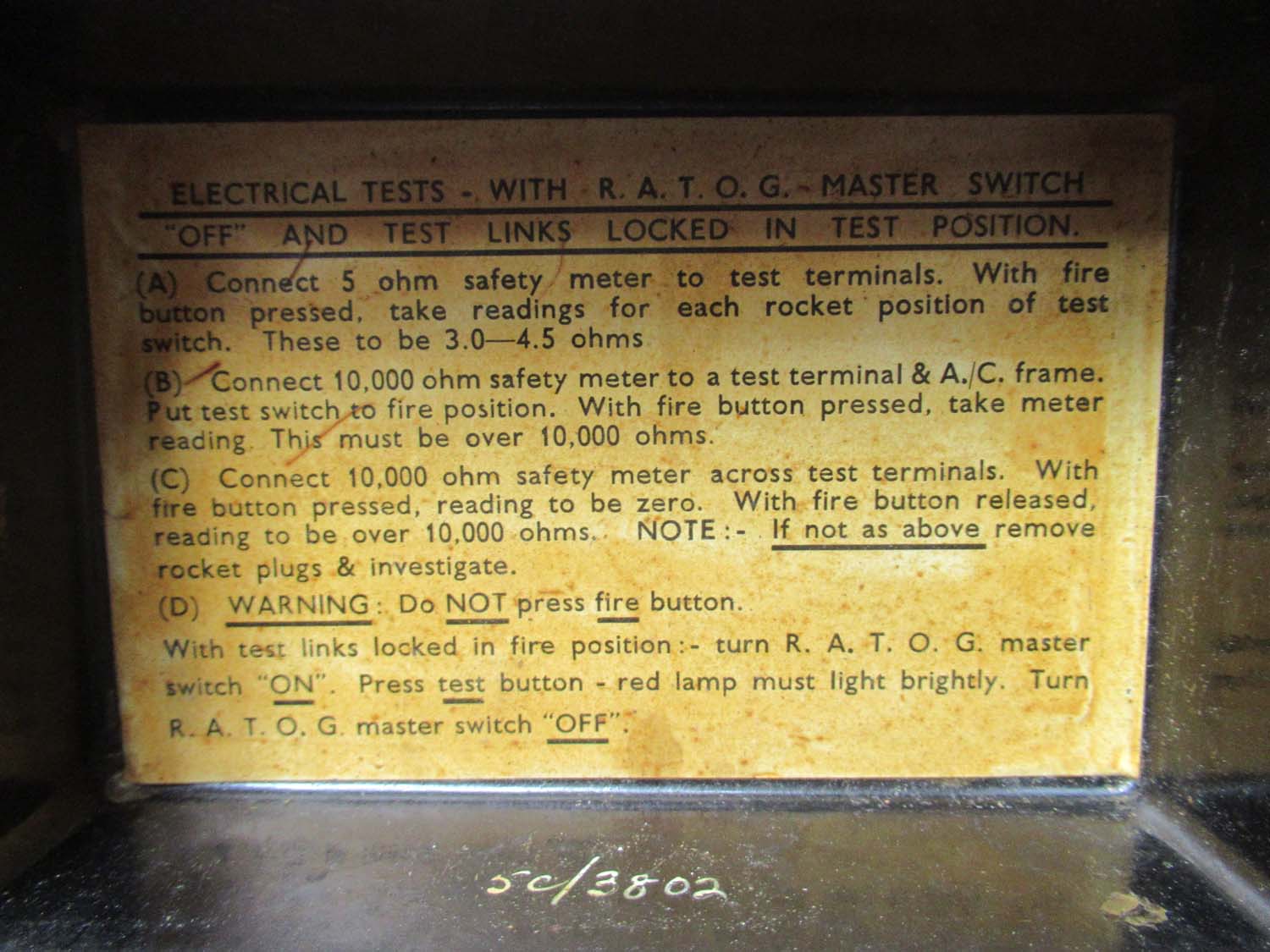
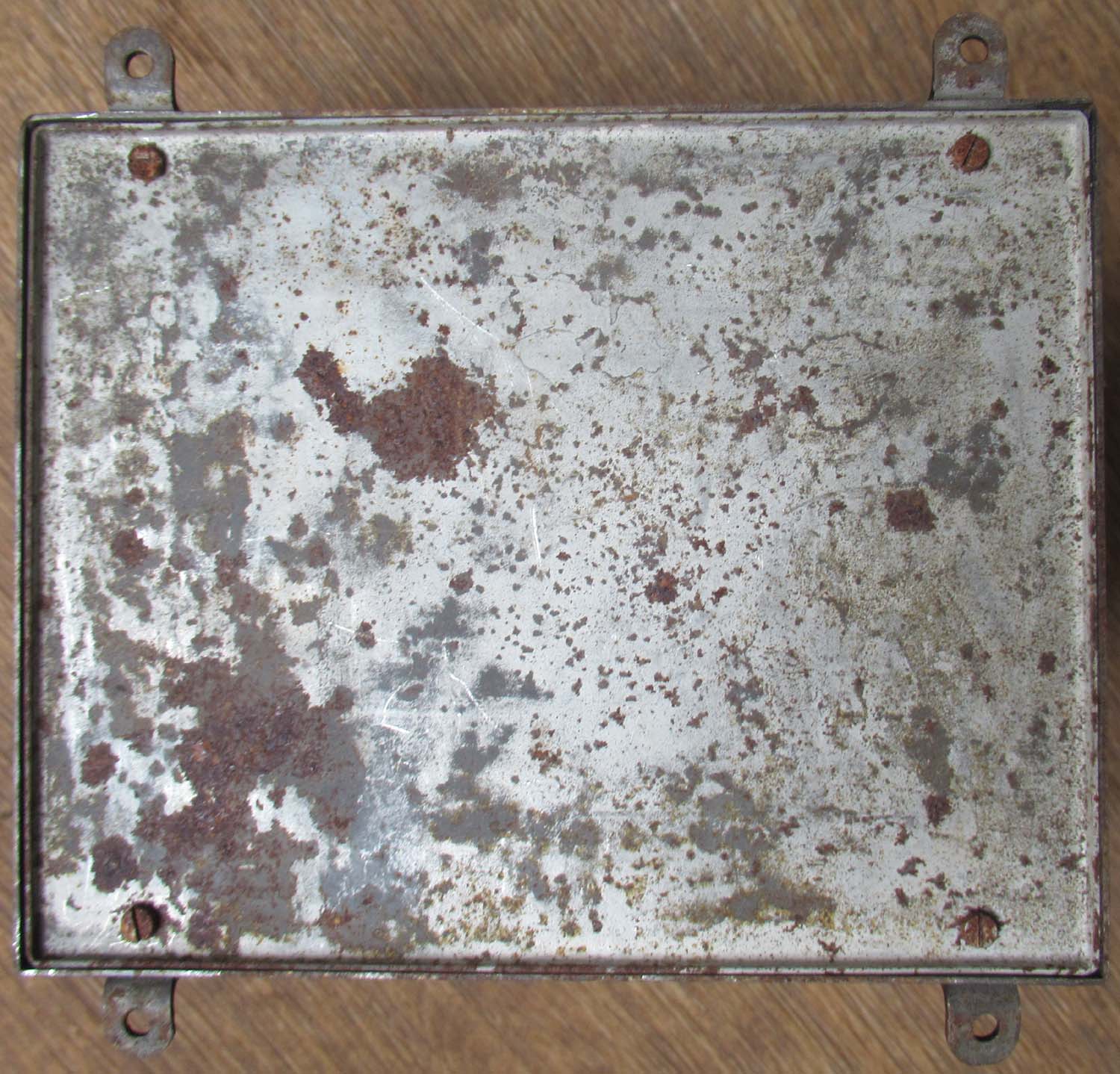
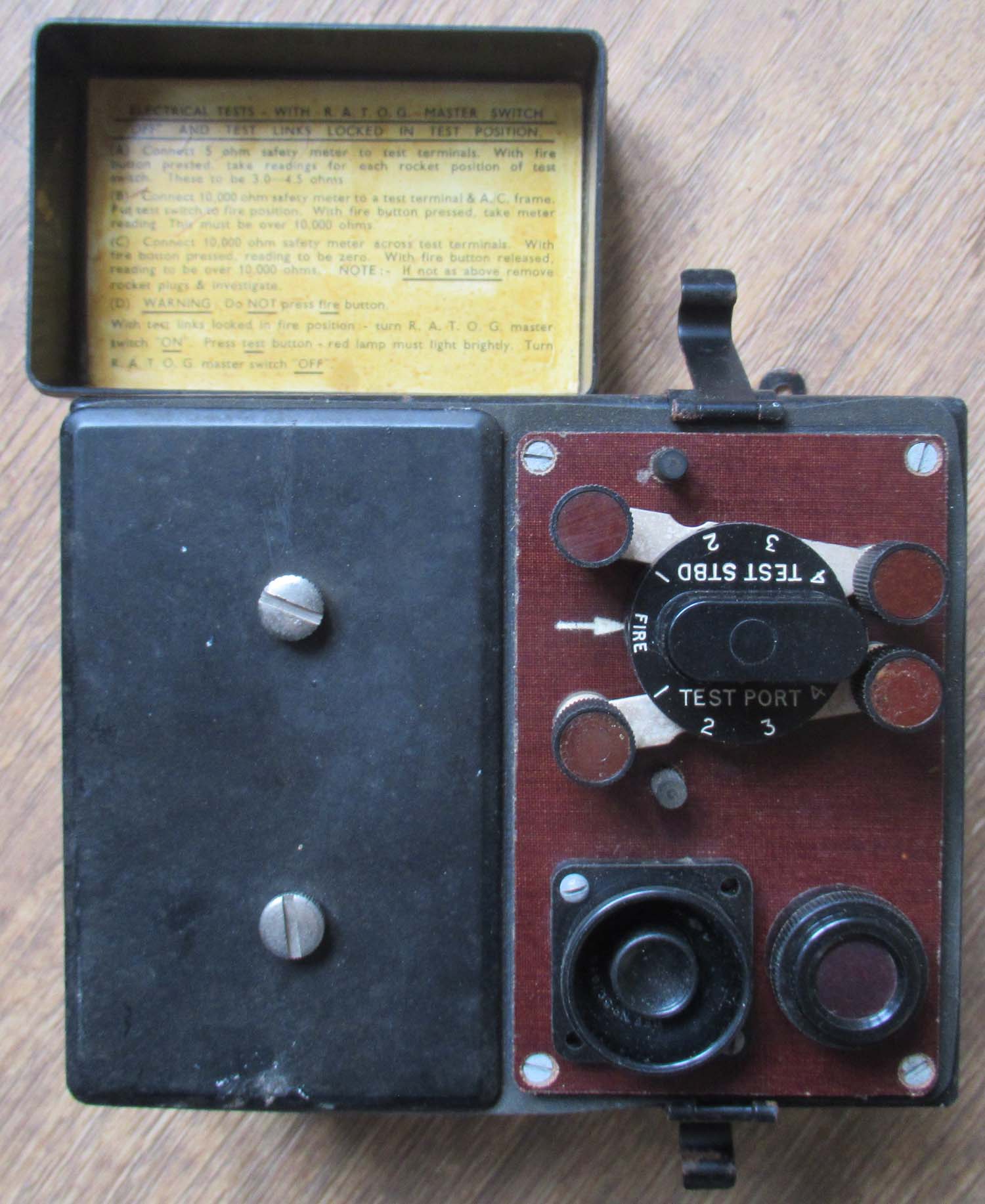
RATOG Master Switch (No. 29 pg 1 UC)

From the Royal Naval Aircraft Workshop in Perth.

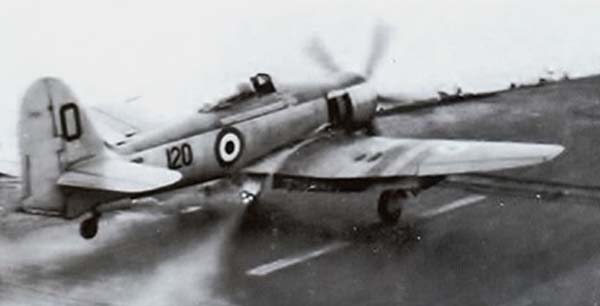
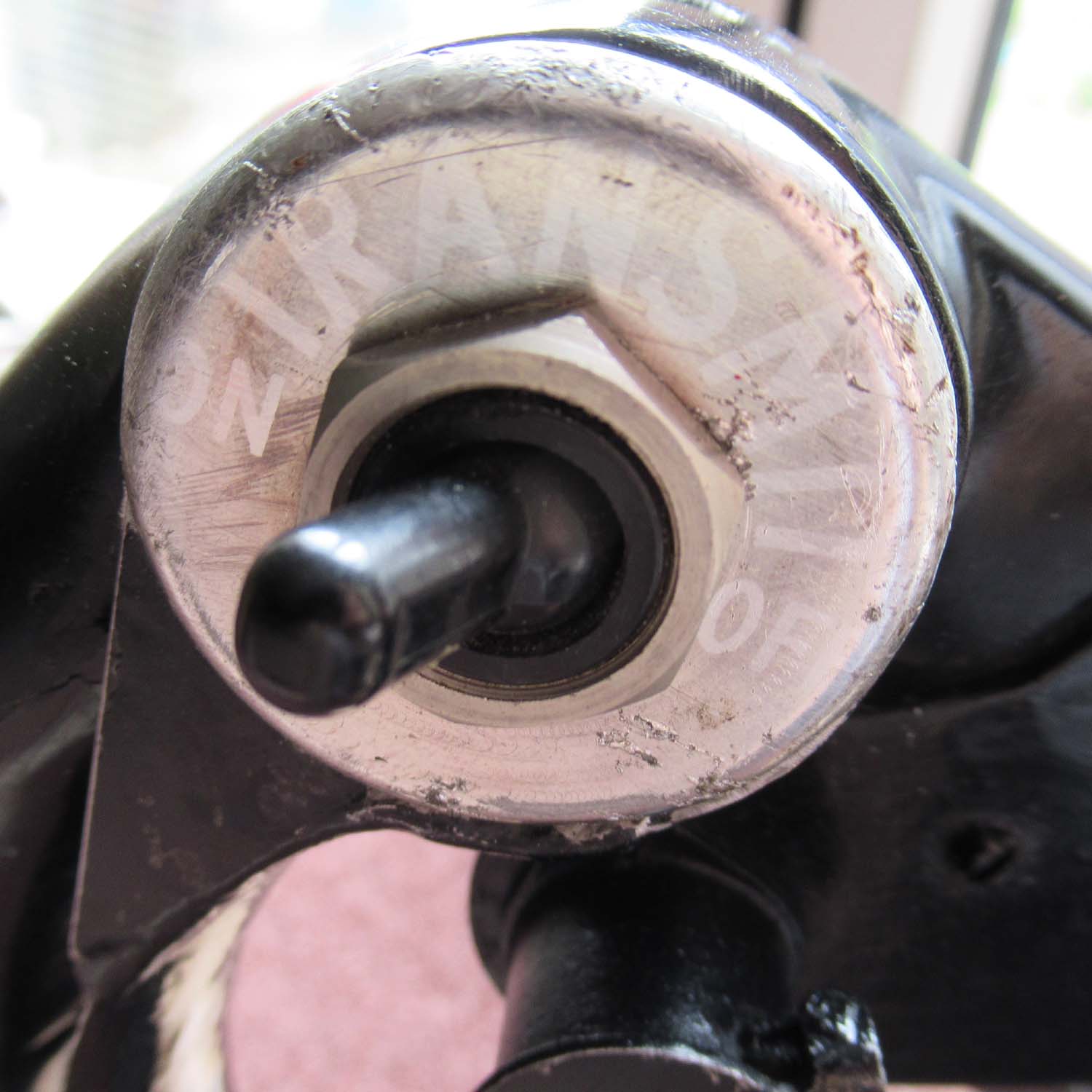
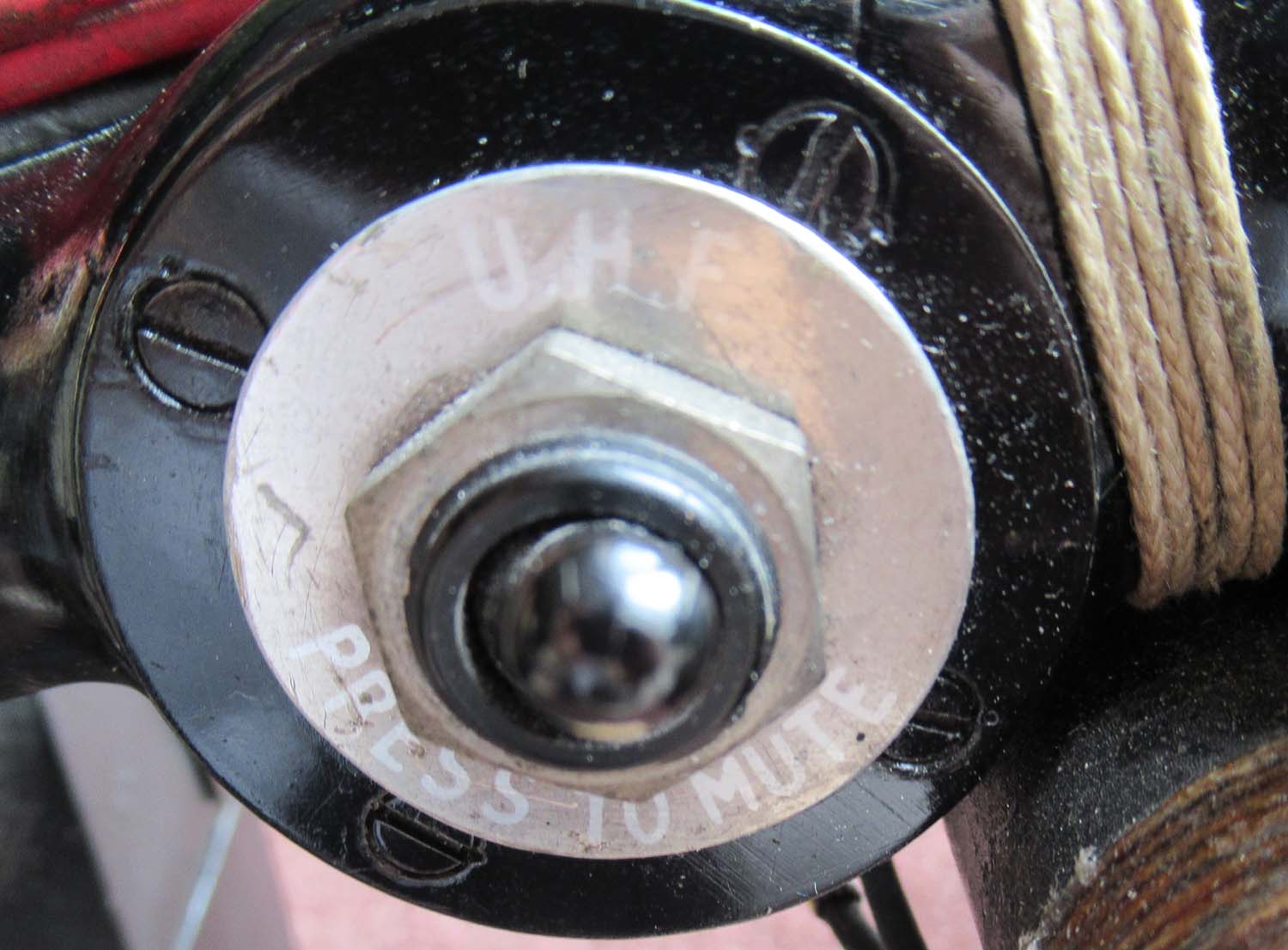
This is the master switch for RATOG which is Rocket assisted Take Off Gear. These were used on Carriers for a variety of aircraft to assist take off in light winds with heavy loads.

To fly, a Sea Fury needs 90 knots of airflow over the wings. So with the ship doing 22 knots in calm air you would just about have enough airflow over the wings to get airborne. The ship always turned into wind to launch and recover aircraft.

With 1000lb bombs mounted more like 95 knots was needed so RATOG, (rocket assisted take off), was used instead of the catapult. Rockets were attached to the underside of the aircraft and the take off run was started from the stern of the ship.

At a predetermined point on the take-off run you would fire the rockets and you hopefully found yourself up in the air. The rocket carriers were jettisoned after take-off.

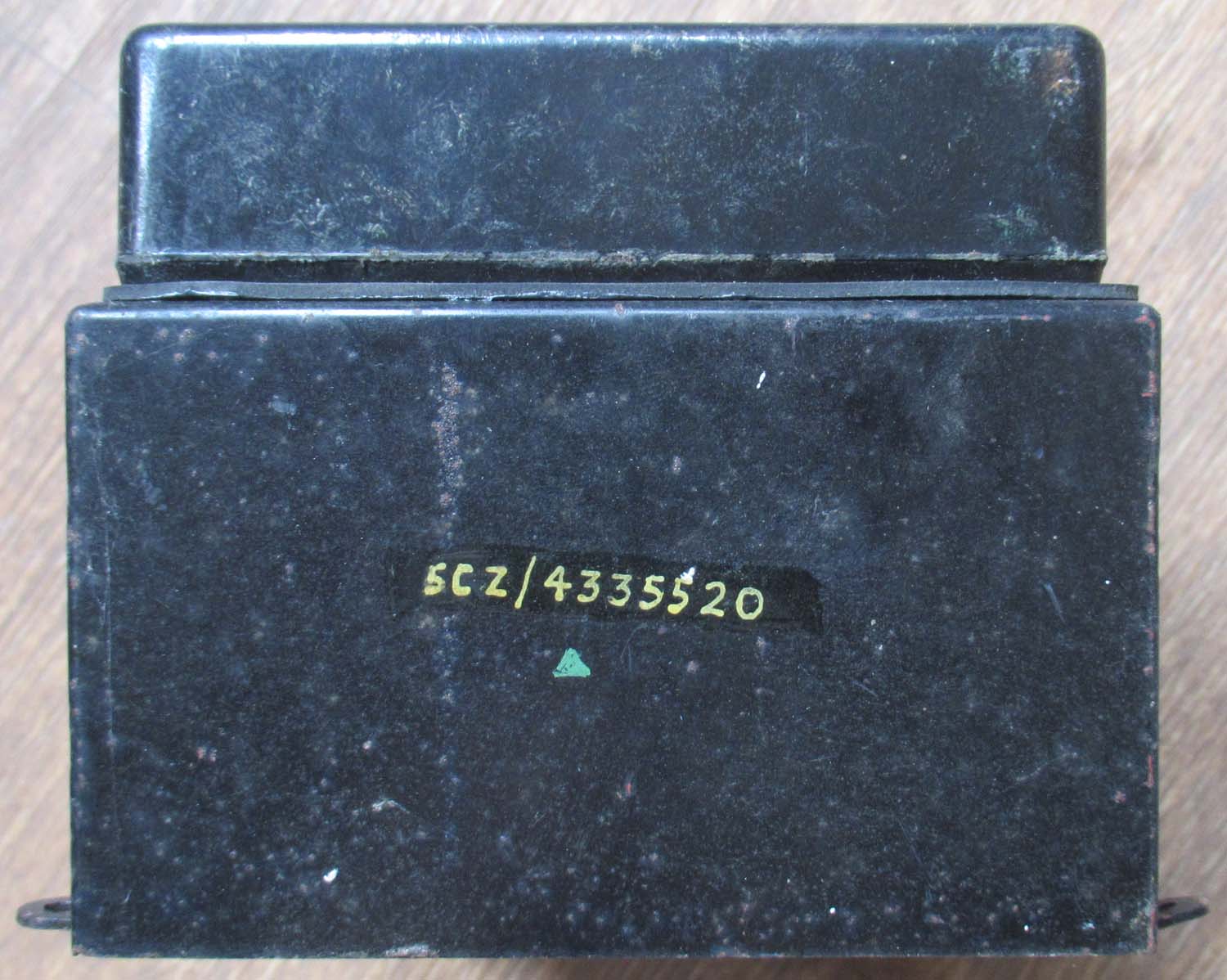
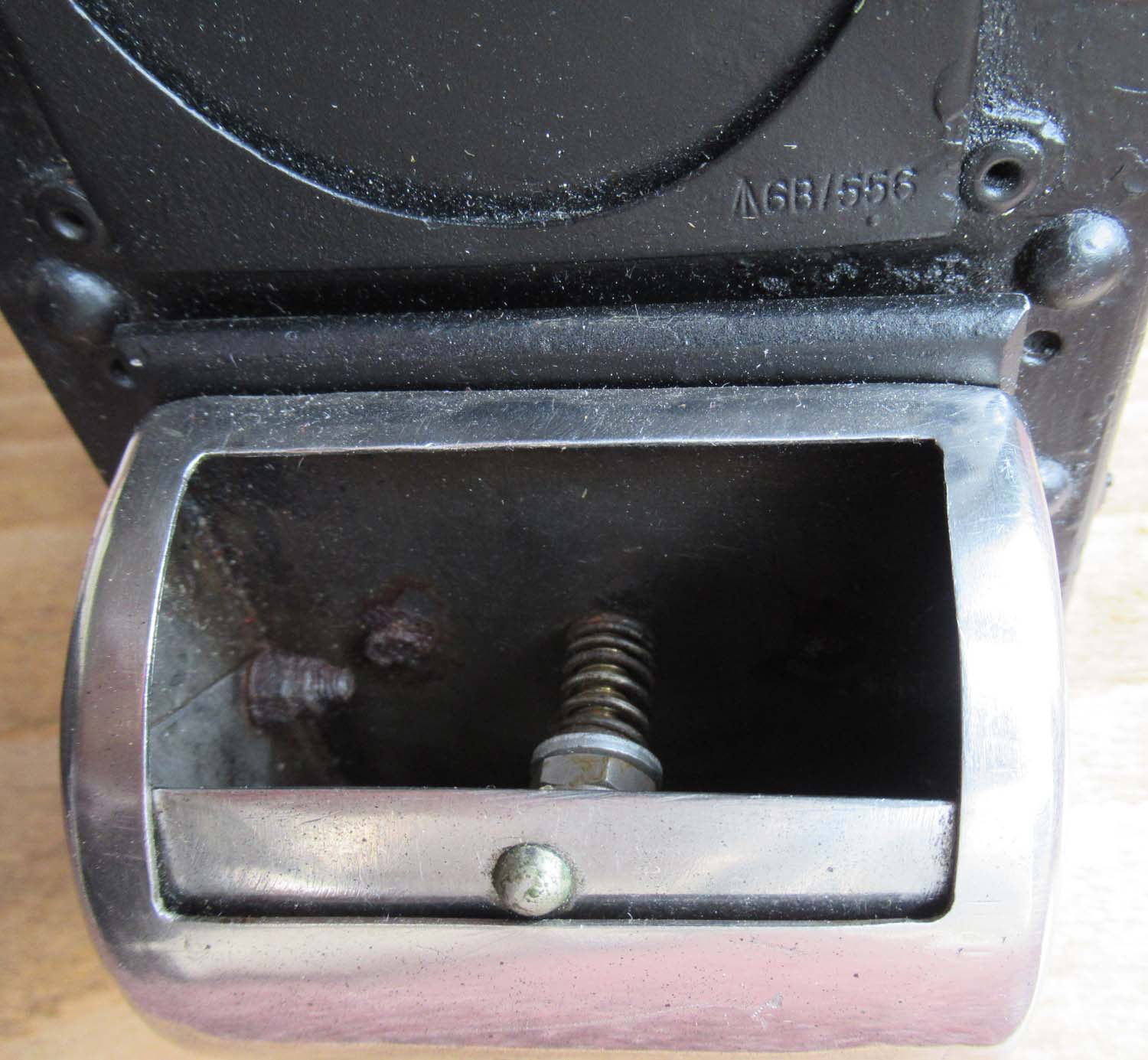
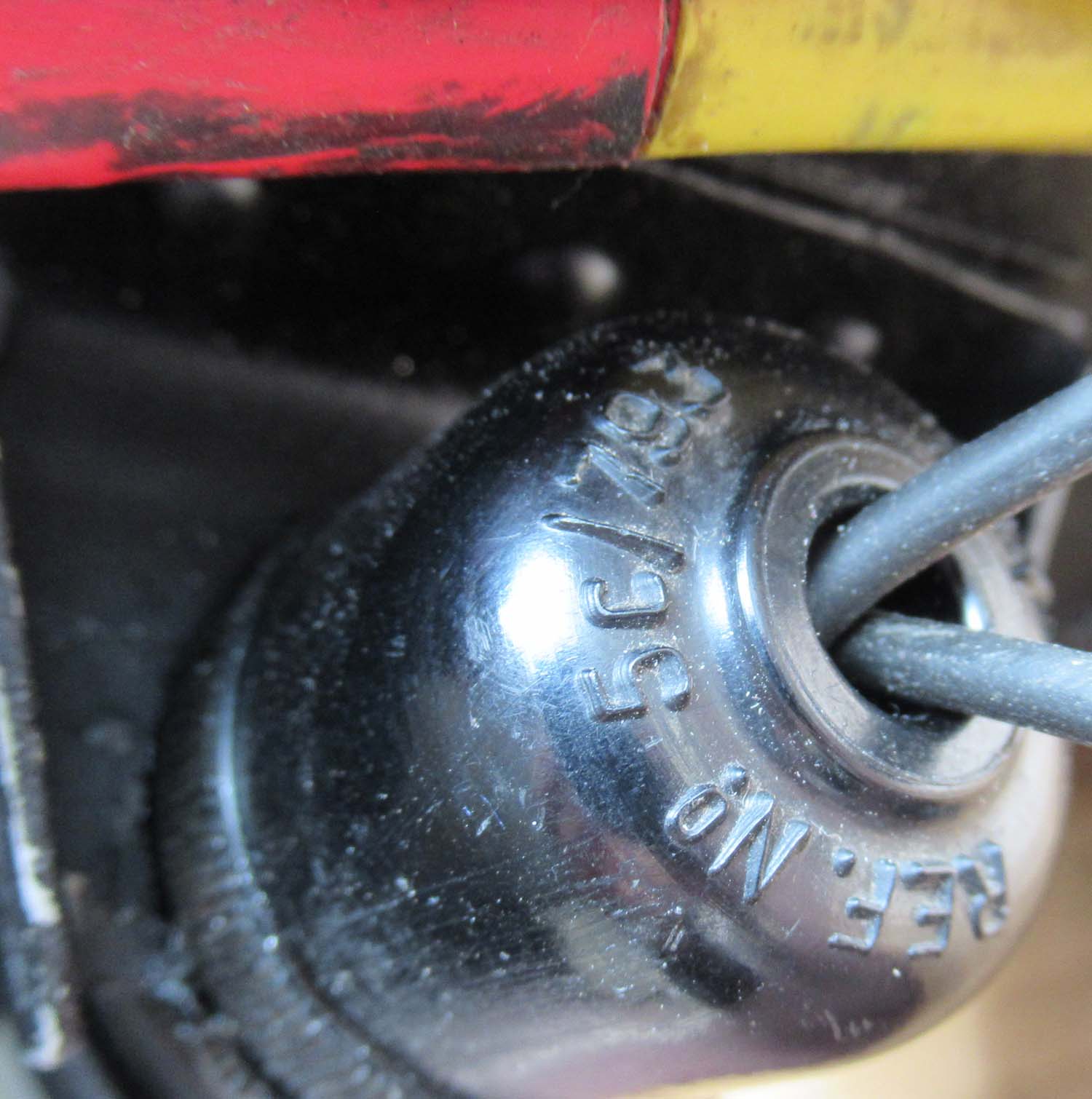
5CZ/4335520

5C/3802

Click on pictures to enlarge

£75 Now £25


Click on pictures to enlarge

New listing 70% Off

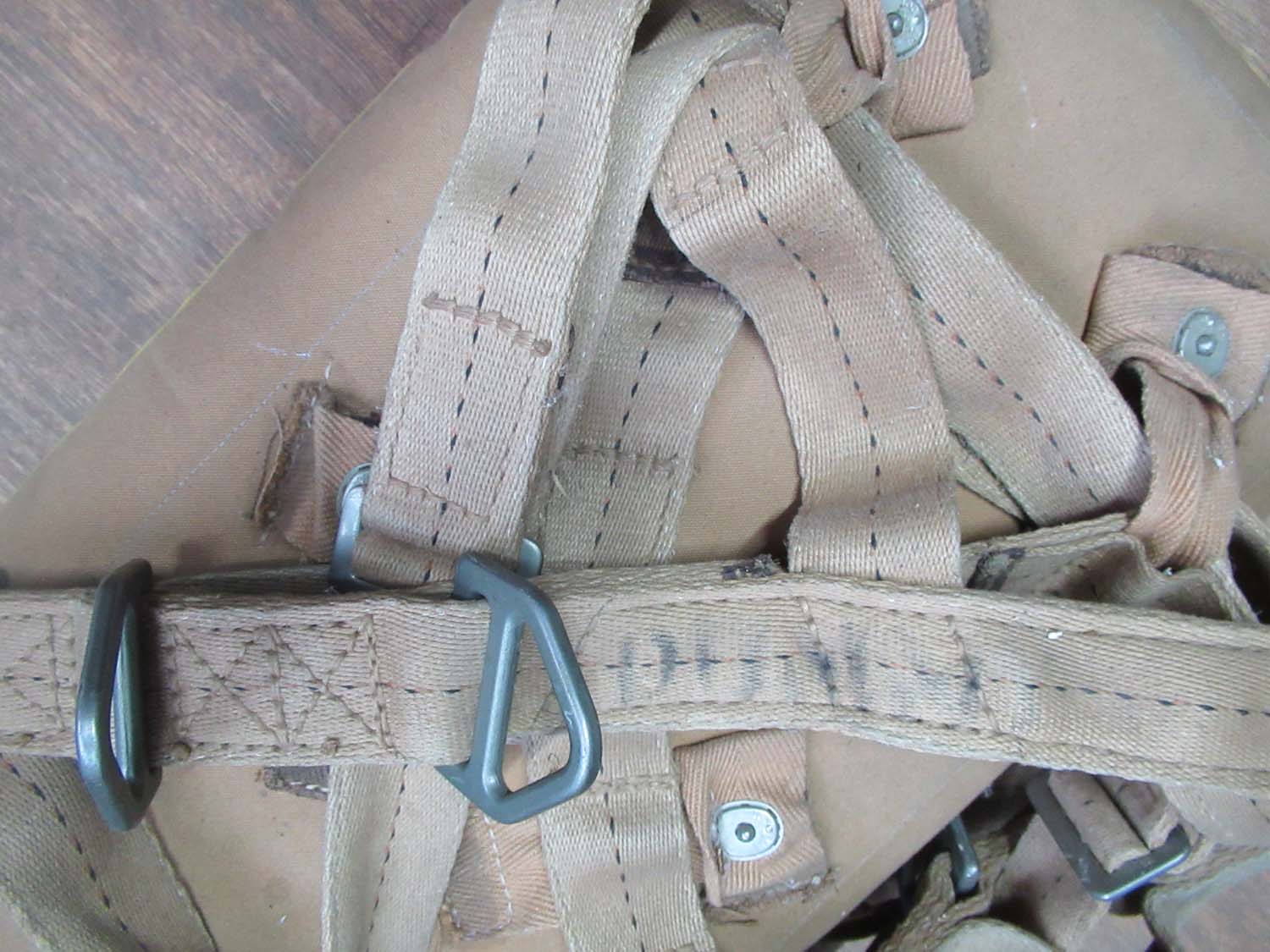
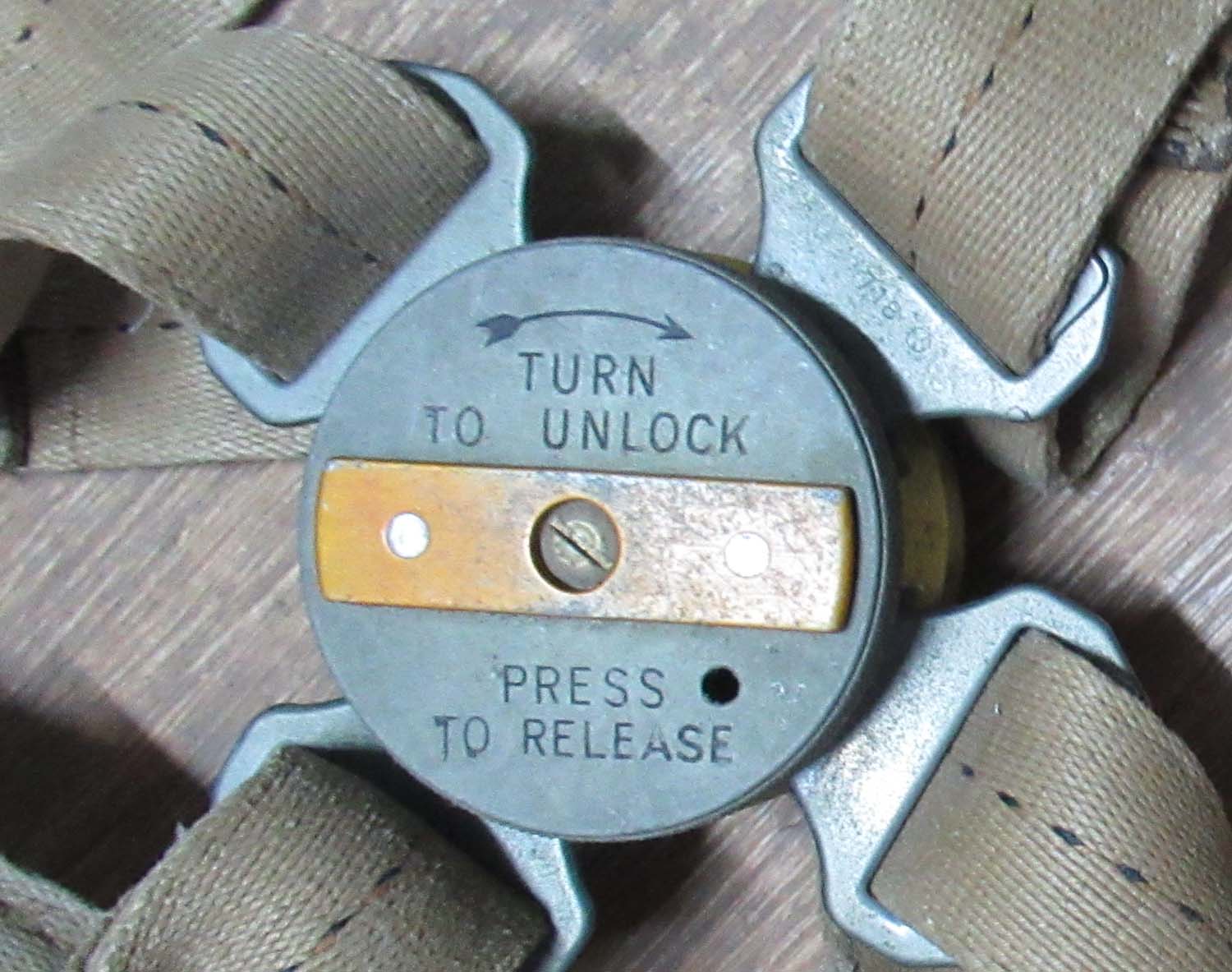
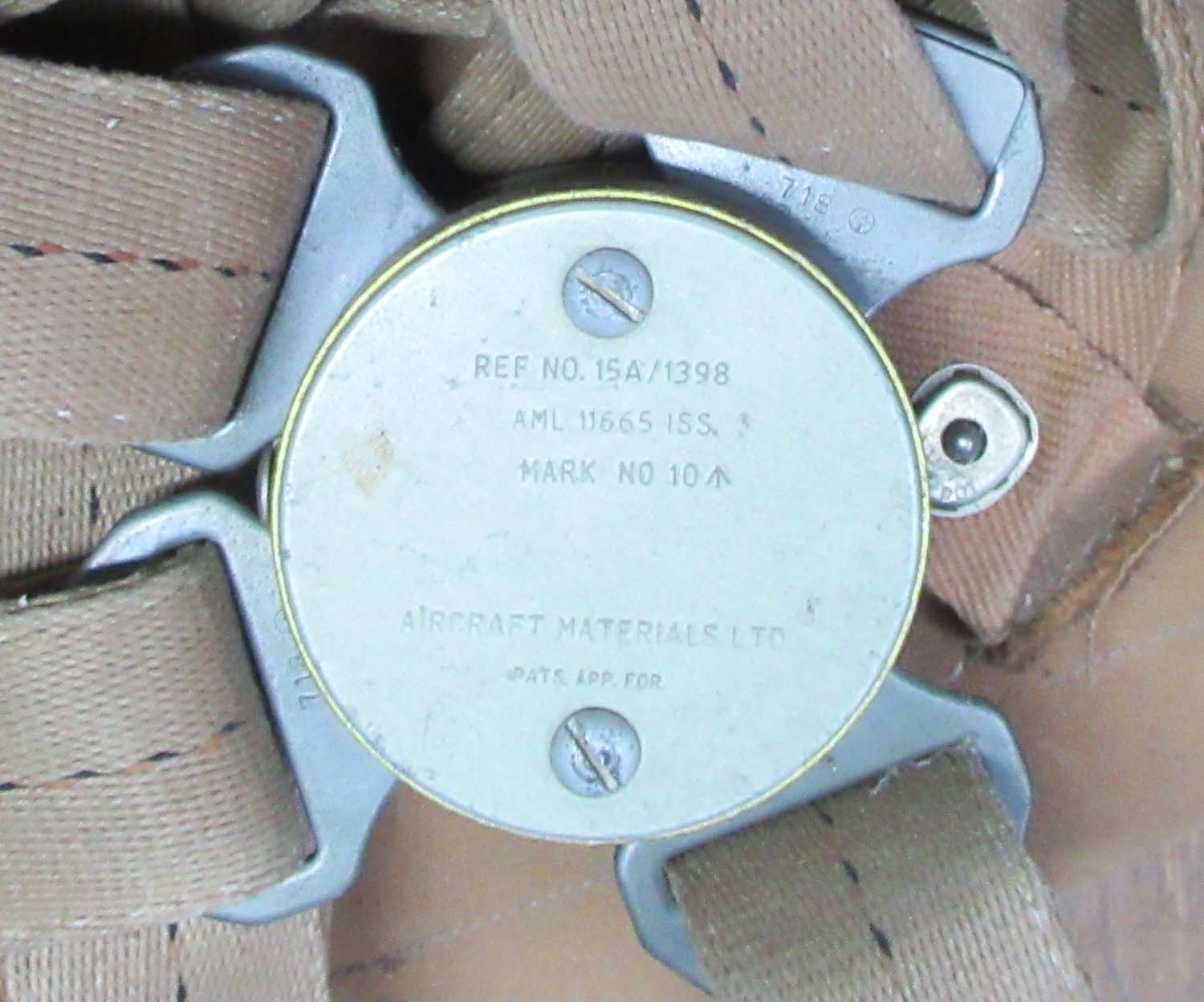
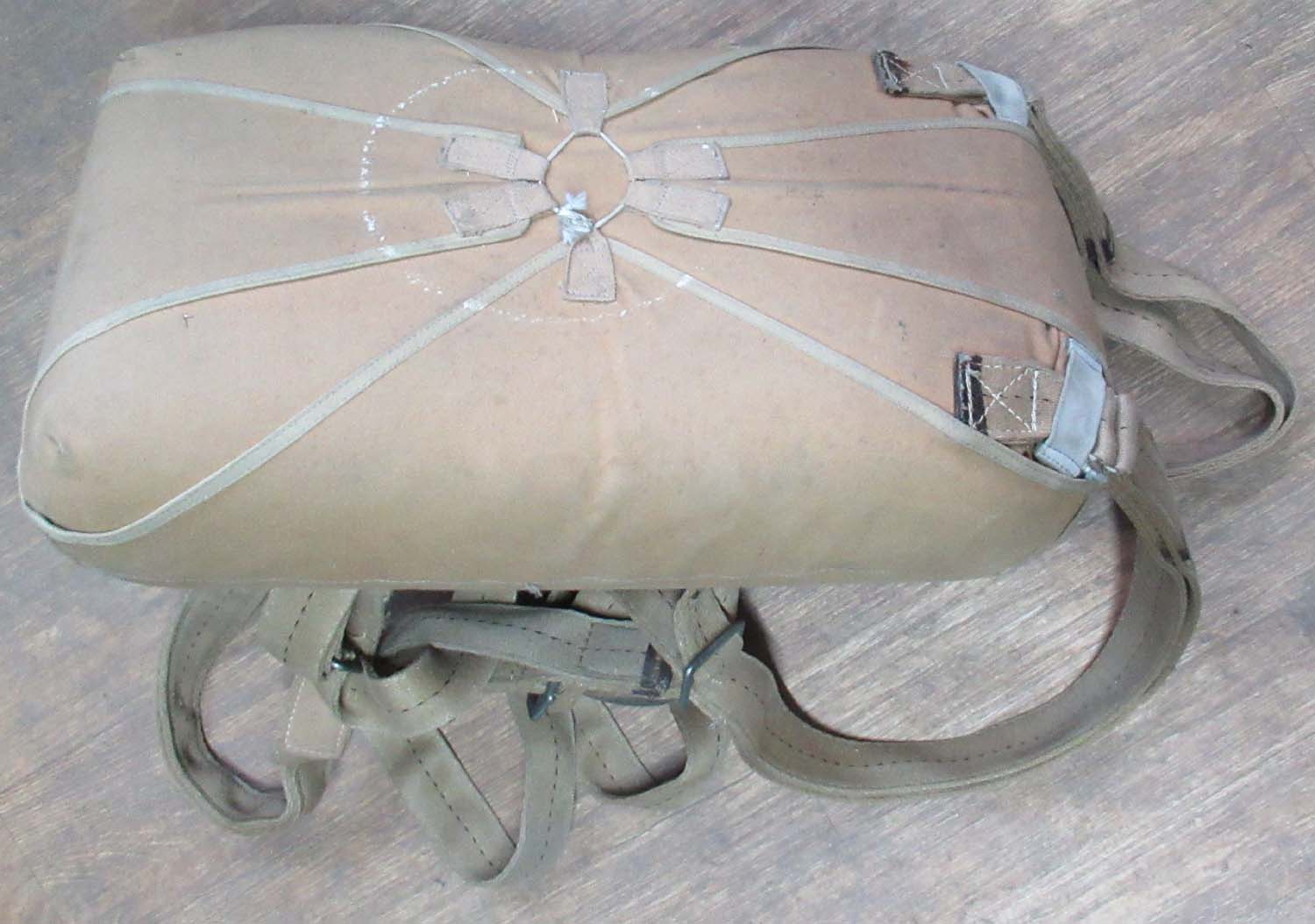
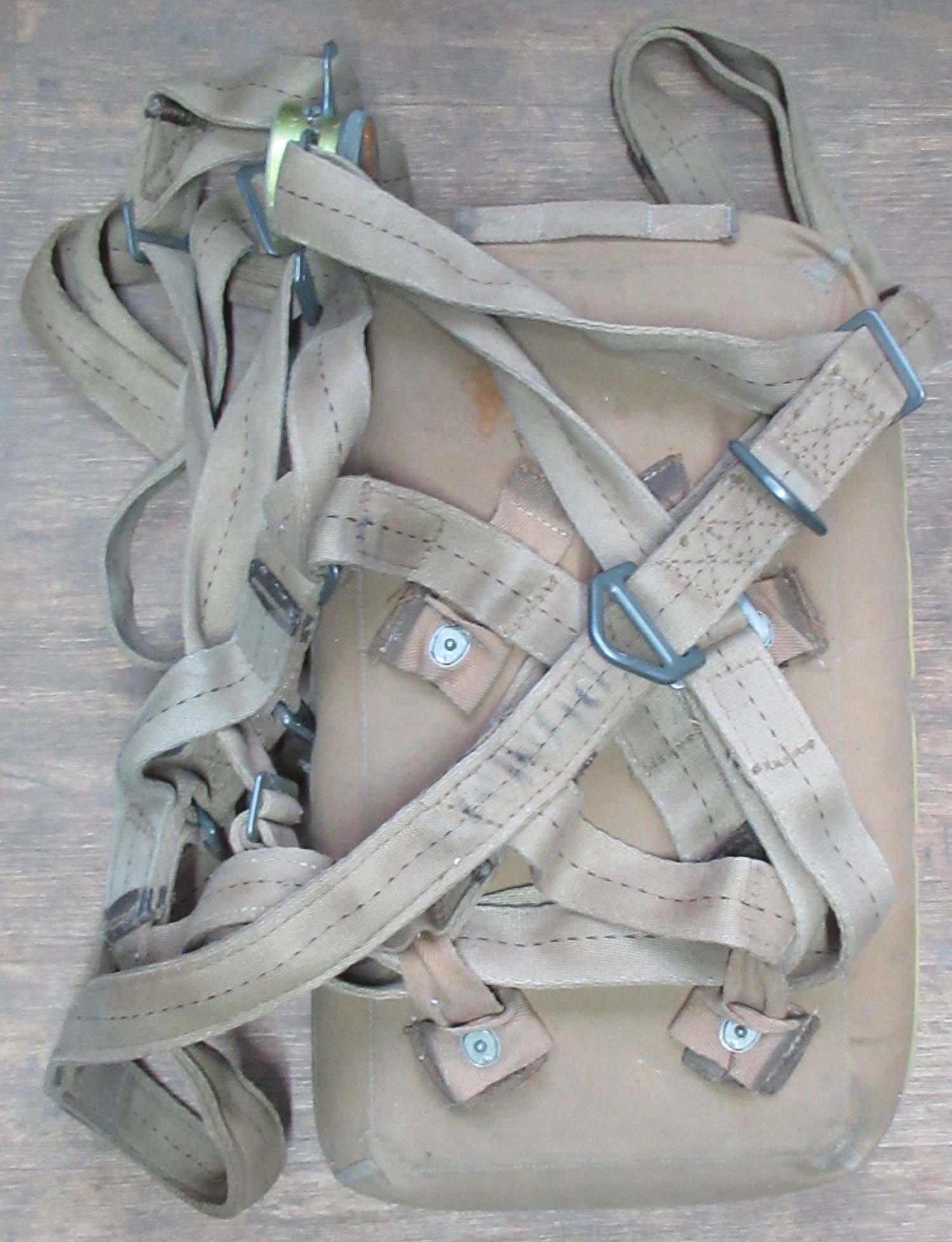
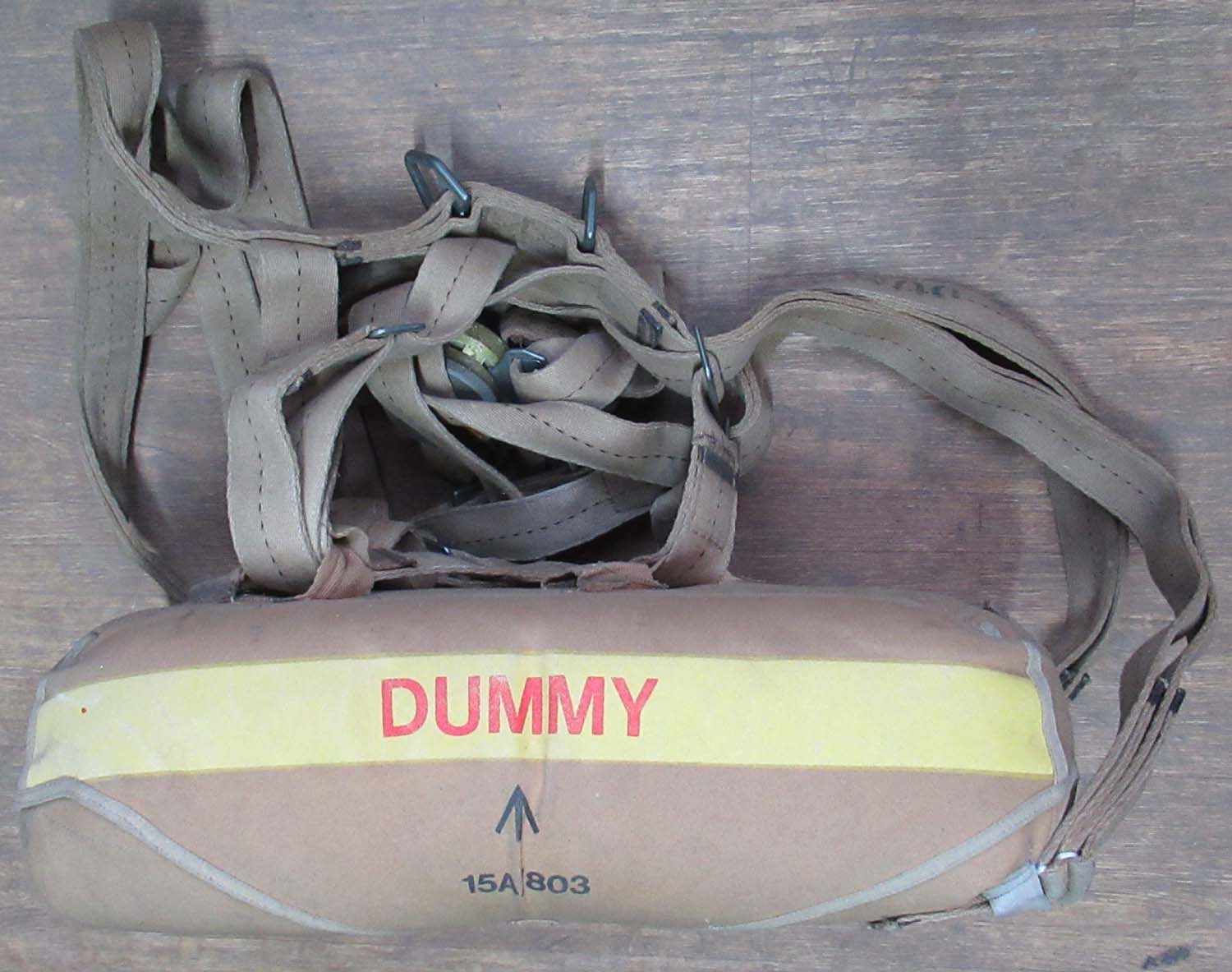
British WWII Dummy training X Type Paratrooper Parachute (Pg1 SAS)


Here is a dummy X type parachute for Airborne troops  parachute  made for training purposes.

 It is in really good original condition with no visible damage. This is ideal for a re-enactor or for a mannequin depicting a WWII British Paratrooper.

The original X type is  hard to find and expensive, this is a period peace not a reproduction .
15A/1803

15/A is the designation for Man carrying parachute.
Click on pictures to enlarge


£995 Now £300

Click on the pictures to enlarge.


New listing 60% Off

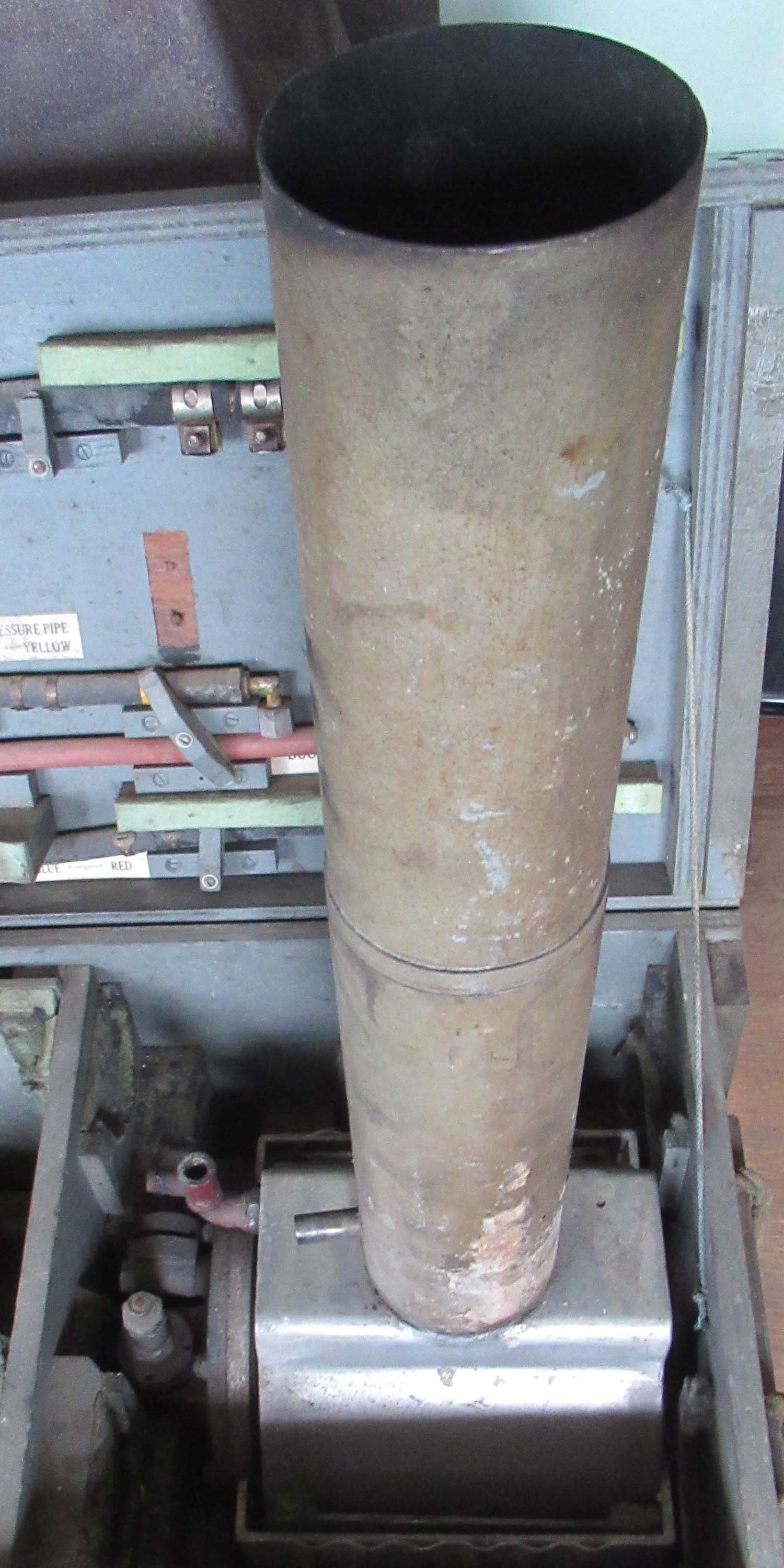
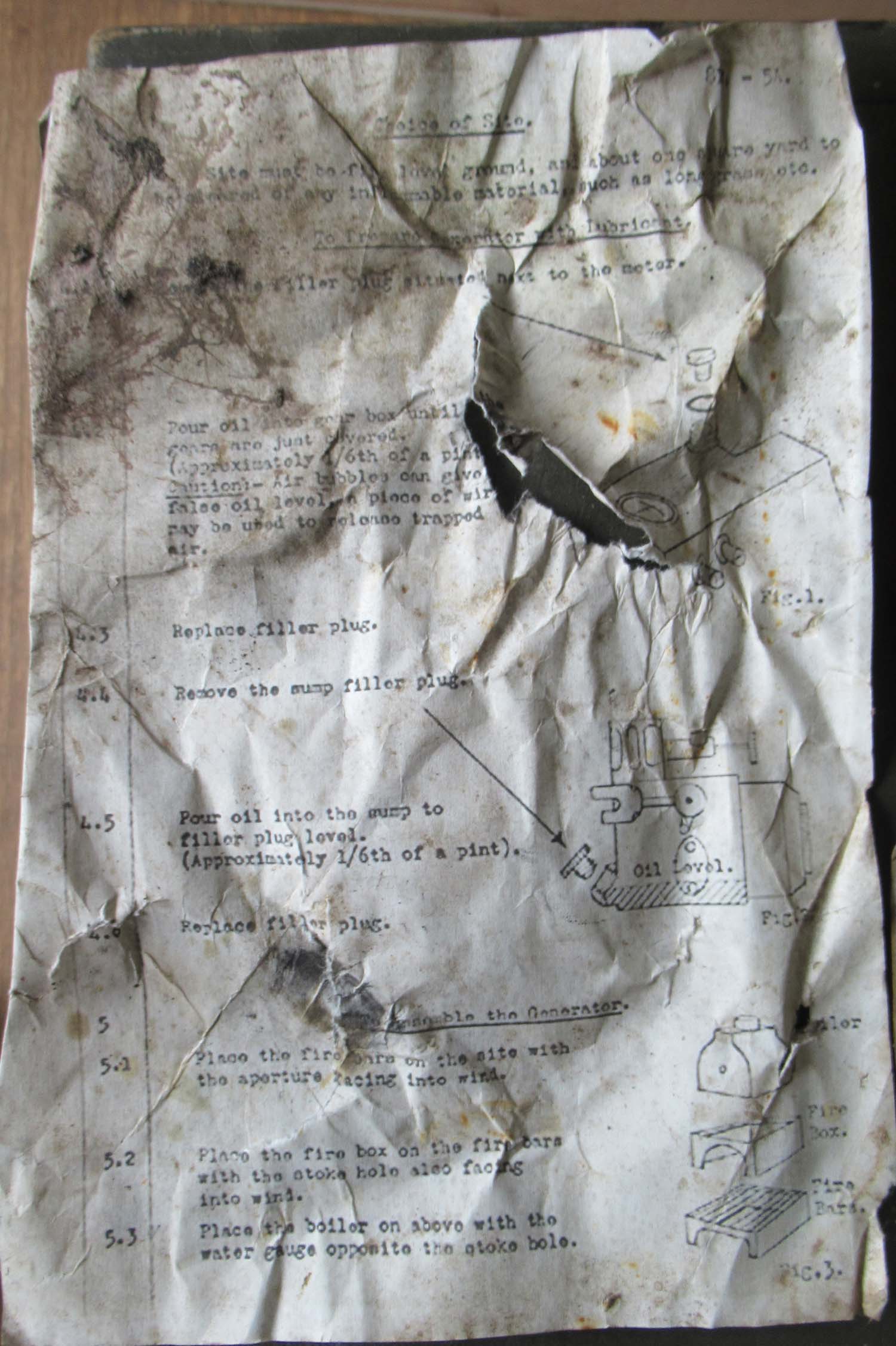
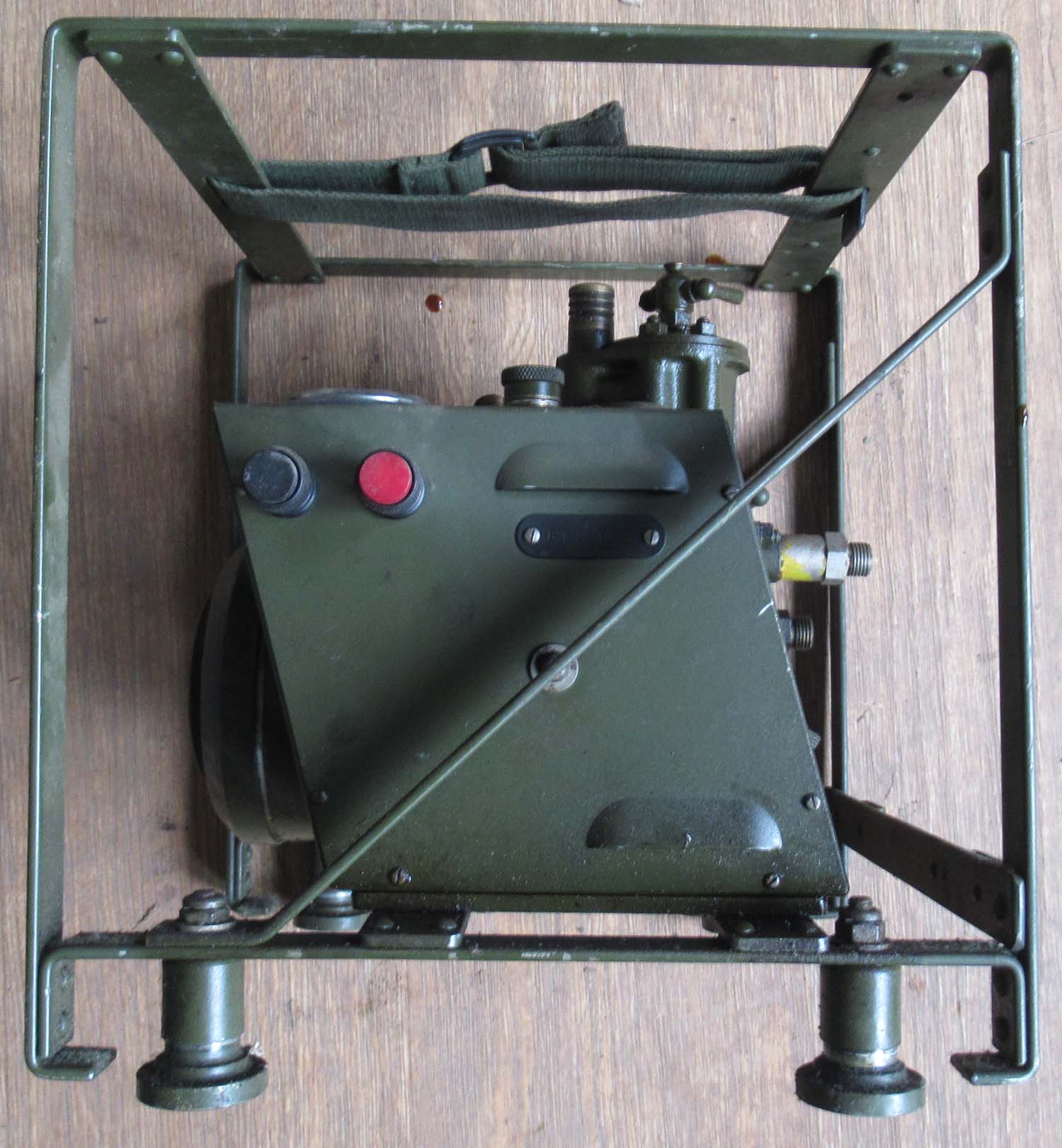
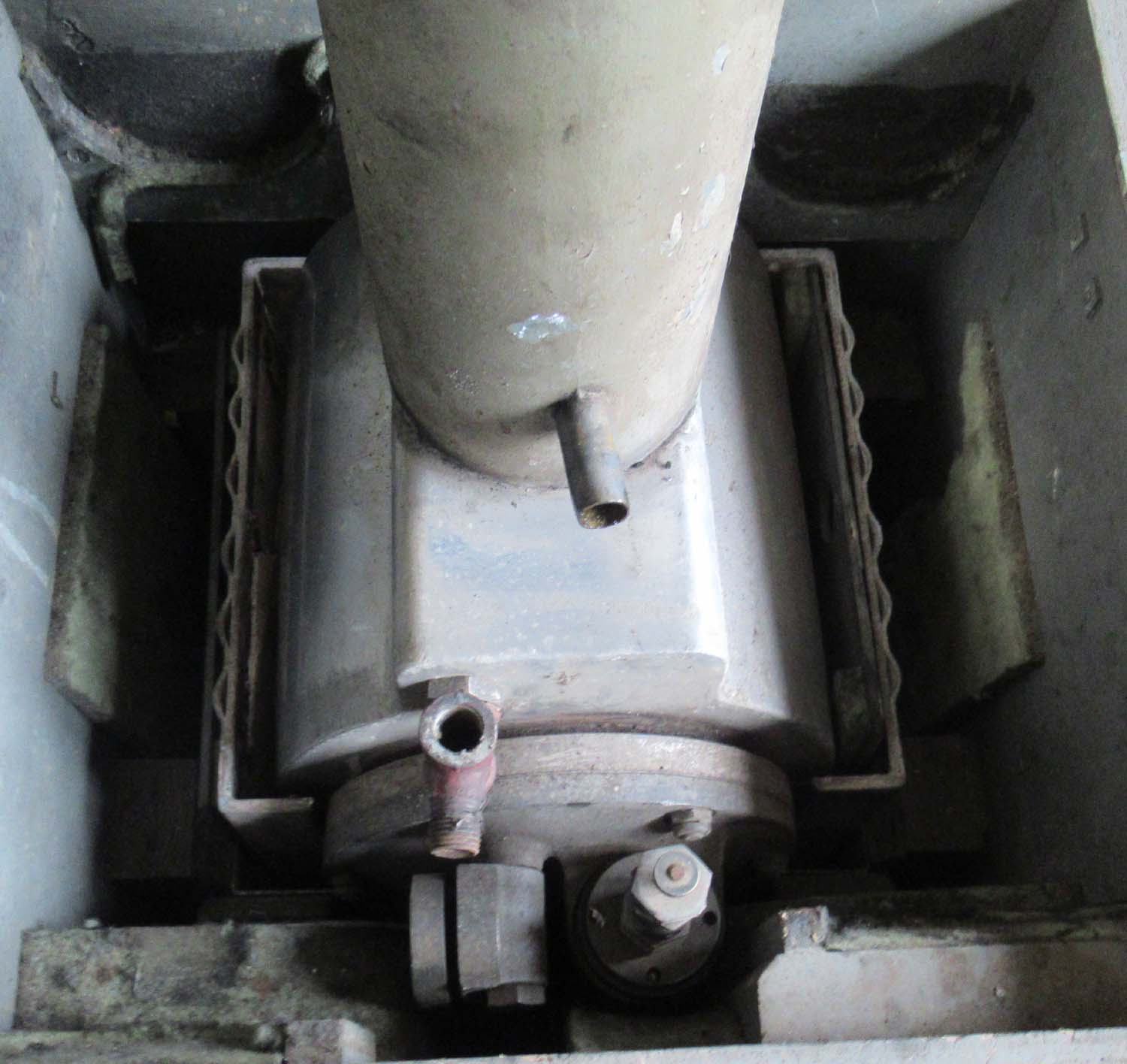
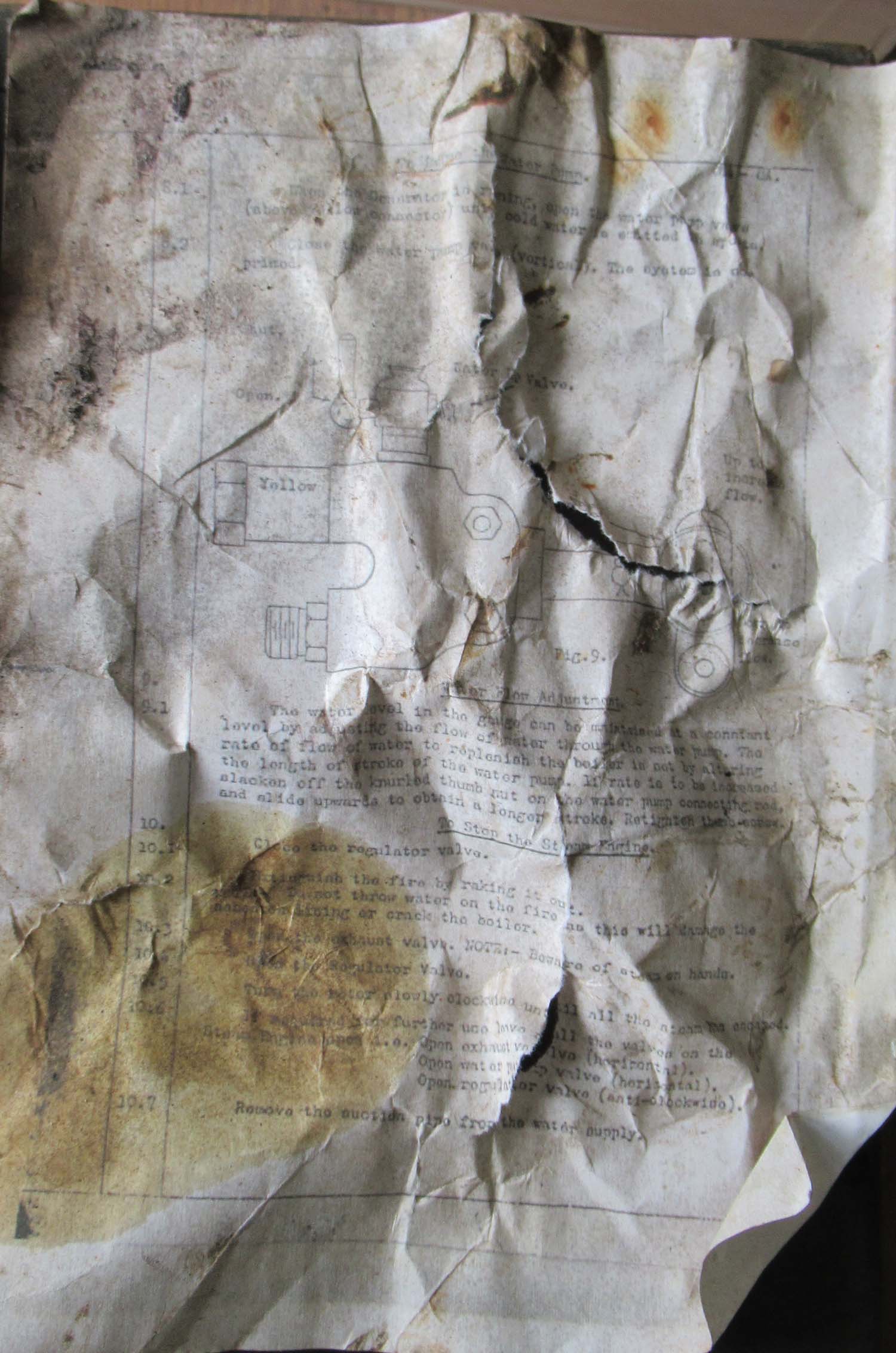
Steam powered generator (pg1 SAS)

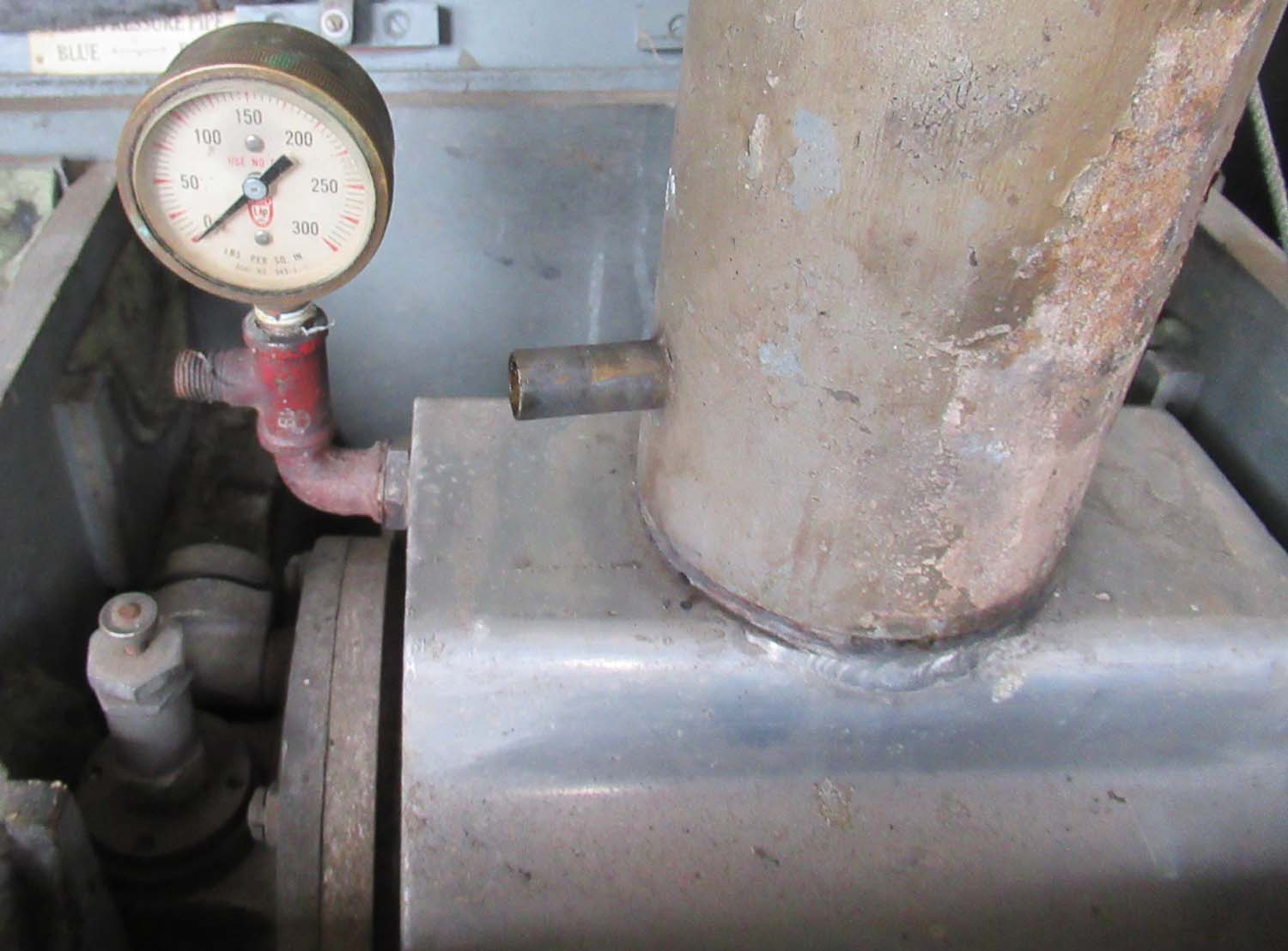
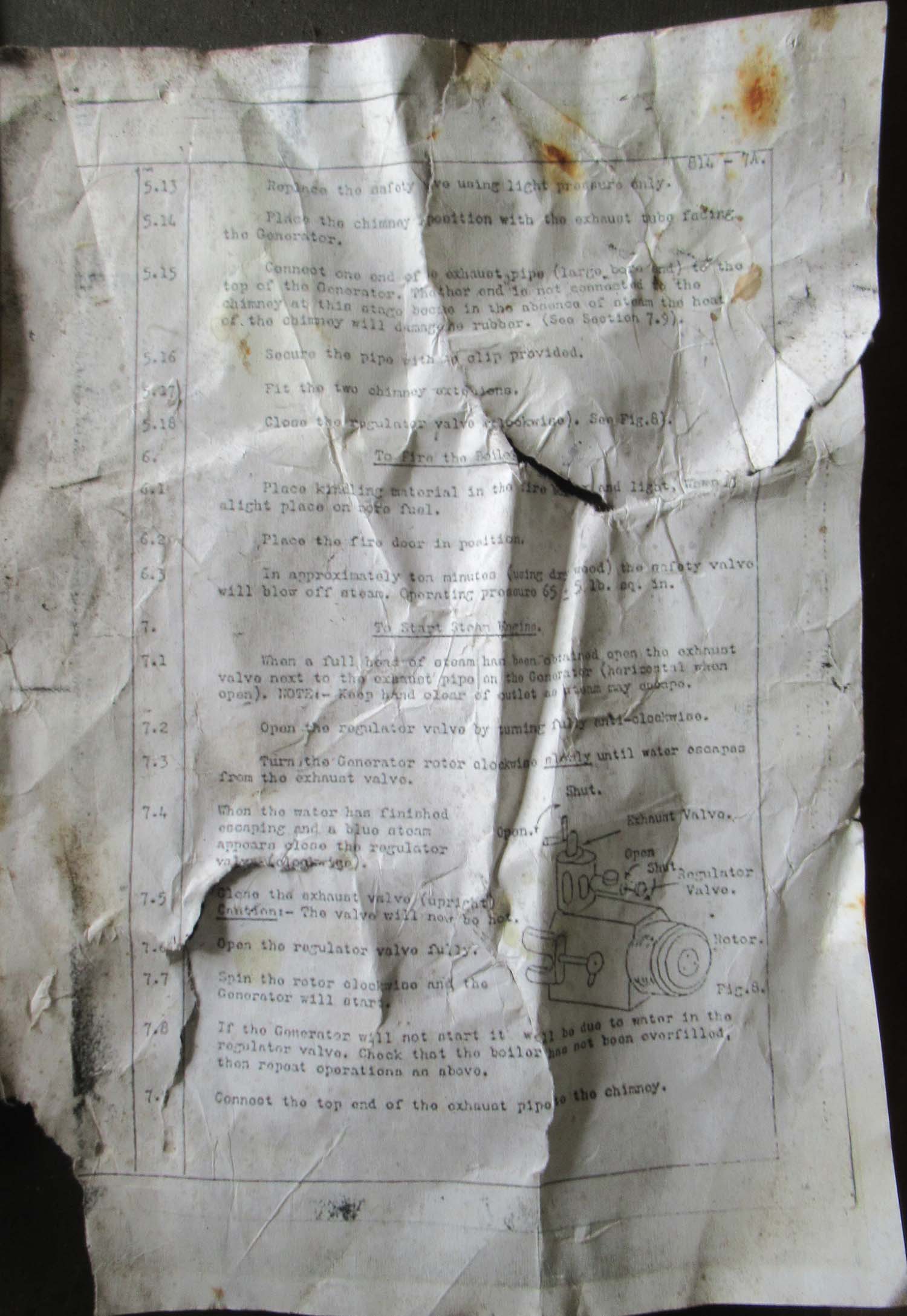
This is a superb and extremely rare Wartime generator set for charging batteries for radios in the combat zone. The difference with this set is that it is steam powered, this unique set can be operated by heating the boiler with any fuel that comes to hand including the box it was dropped in. Invaluable in situations where no petrol is available it can literary be powered by anything flammable. The set is complete with everything needed to make it work and is in great condition.

Click on the pictures to enlarge

Click on the pictures to enlarge

£2495 NOW £995

International buyers should contact me for a shipping quote .
Click on the picture's to enlarge


New listing  55% Off


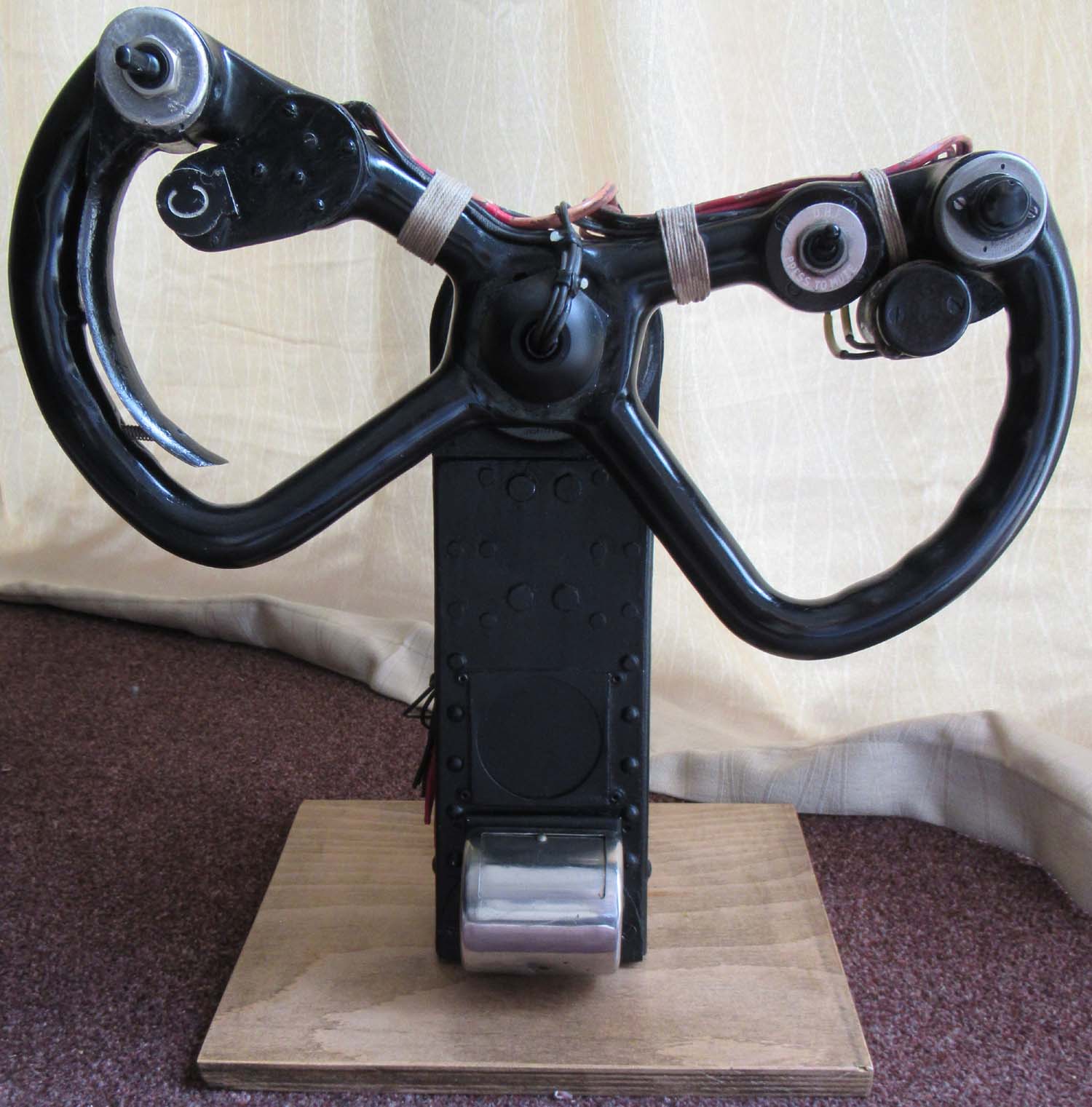
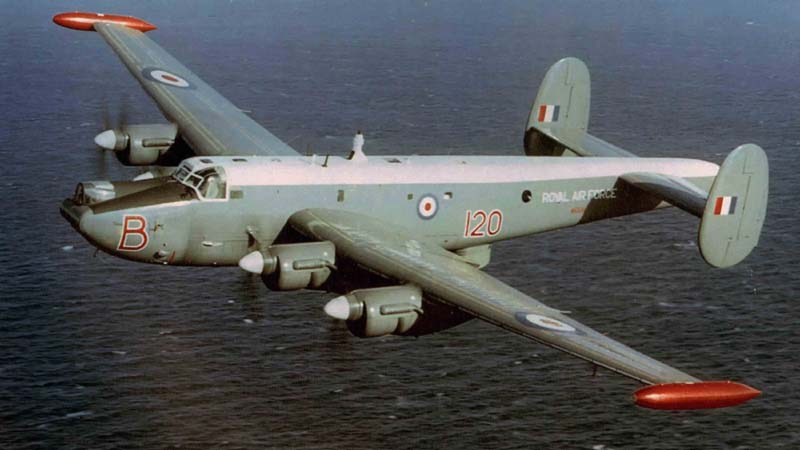
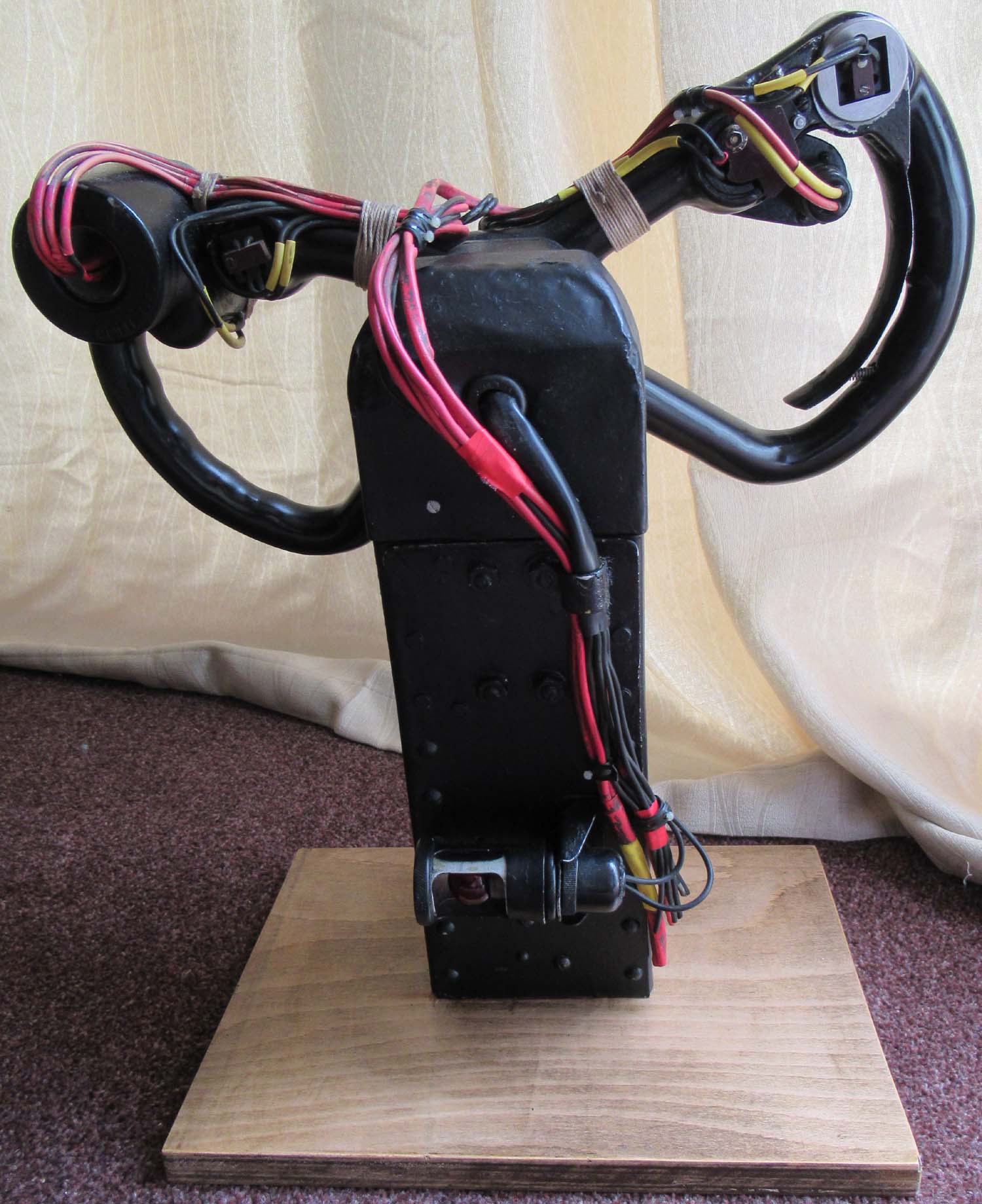
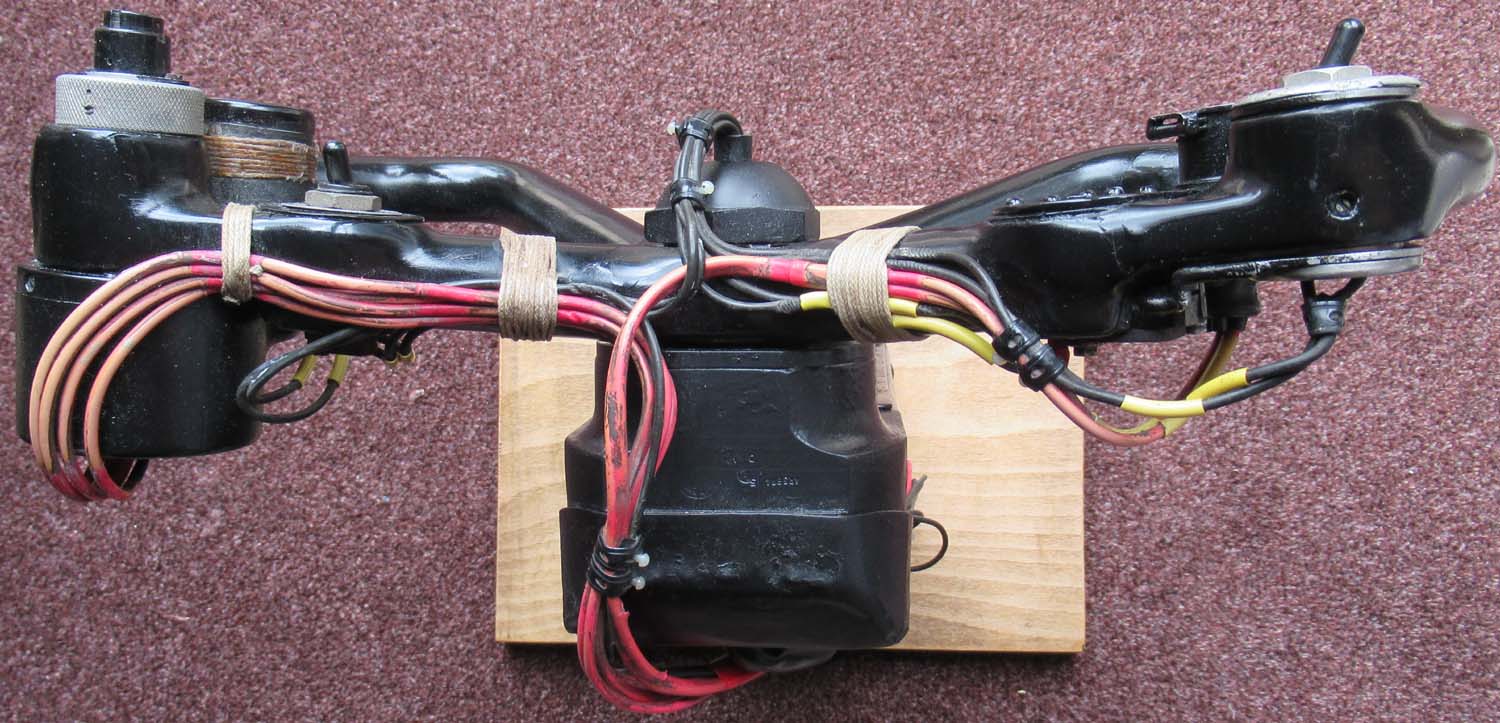
Avro Shackleton Control Yoke (Control Pg3 No 29 )                 

This is a superb original Avro Shackleton control yoke, it is totally original and comes with part of the control column all mounted on a stand. The Yoke still has the control chains and springs attached and re-centres when released you will not find a better example.
The Avro Shackleton was a British long-range maritime patrol aircraft (MPA) which was used by the Royal Air Force (RAF) and the South African Air Force (SAAF). It was developed by Avro from the Avro Lincoln bomber, which itself had been a development of the famous wartime Avro Lancaster bomber.

The Shackleton was developed during the late 1940s as part of Britain's military response to the rapid expansion of the Soviet Navy, in particular its submarine force

Click on the picture's to enlarge


  Overseas buyers please contact me for shipping cost

SOLD

Click on pictures to enlarge them

 New listing  75% Off

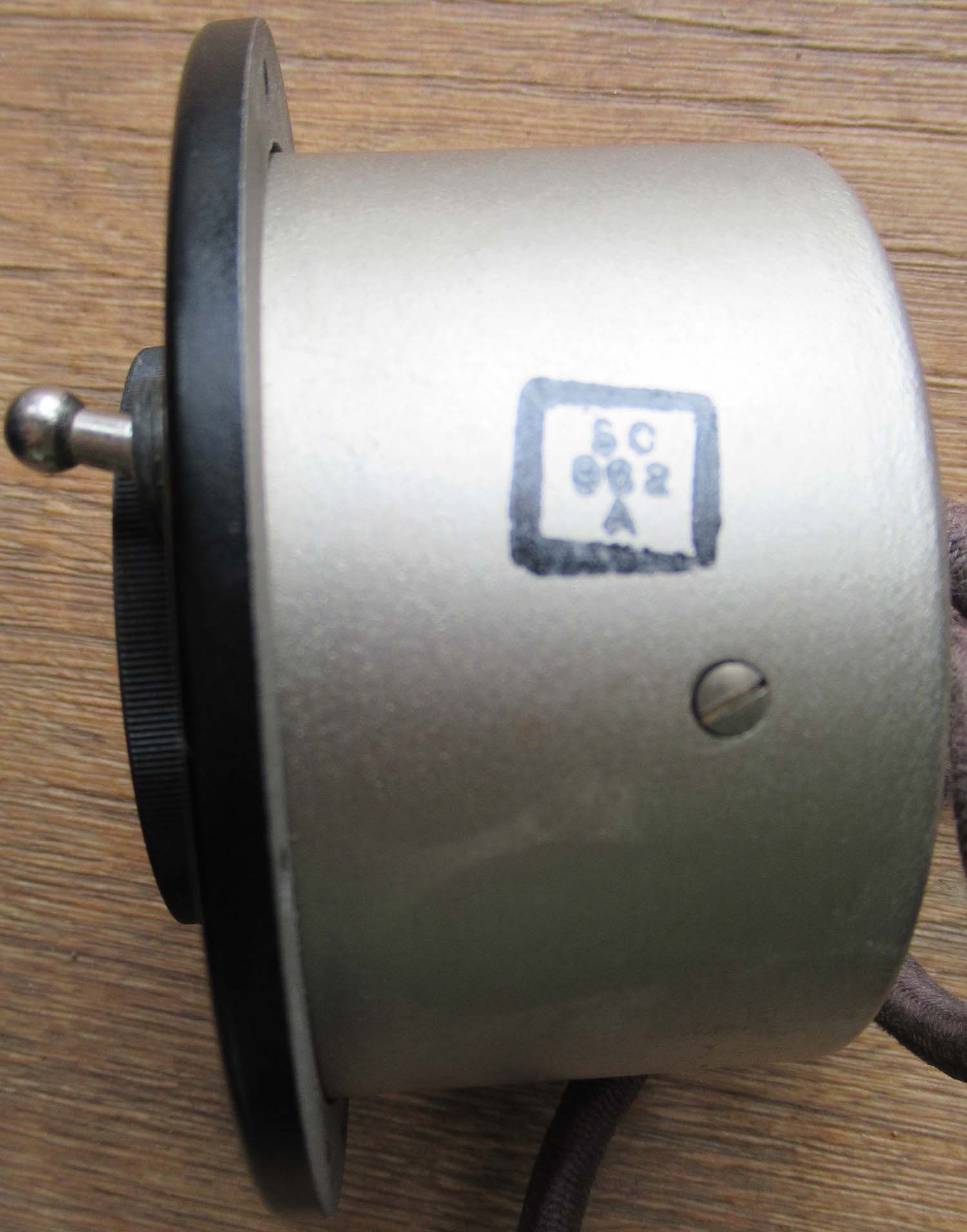
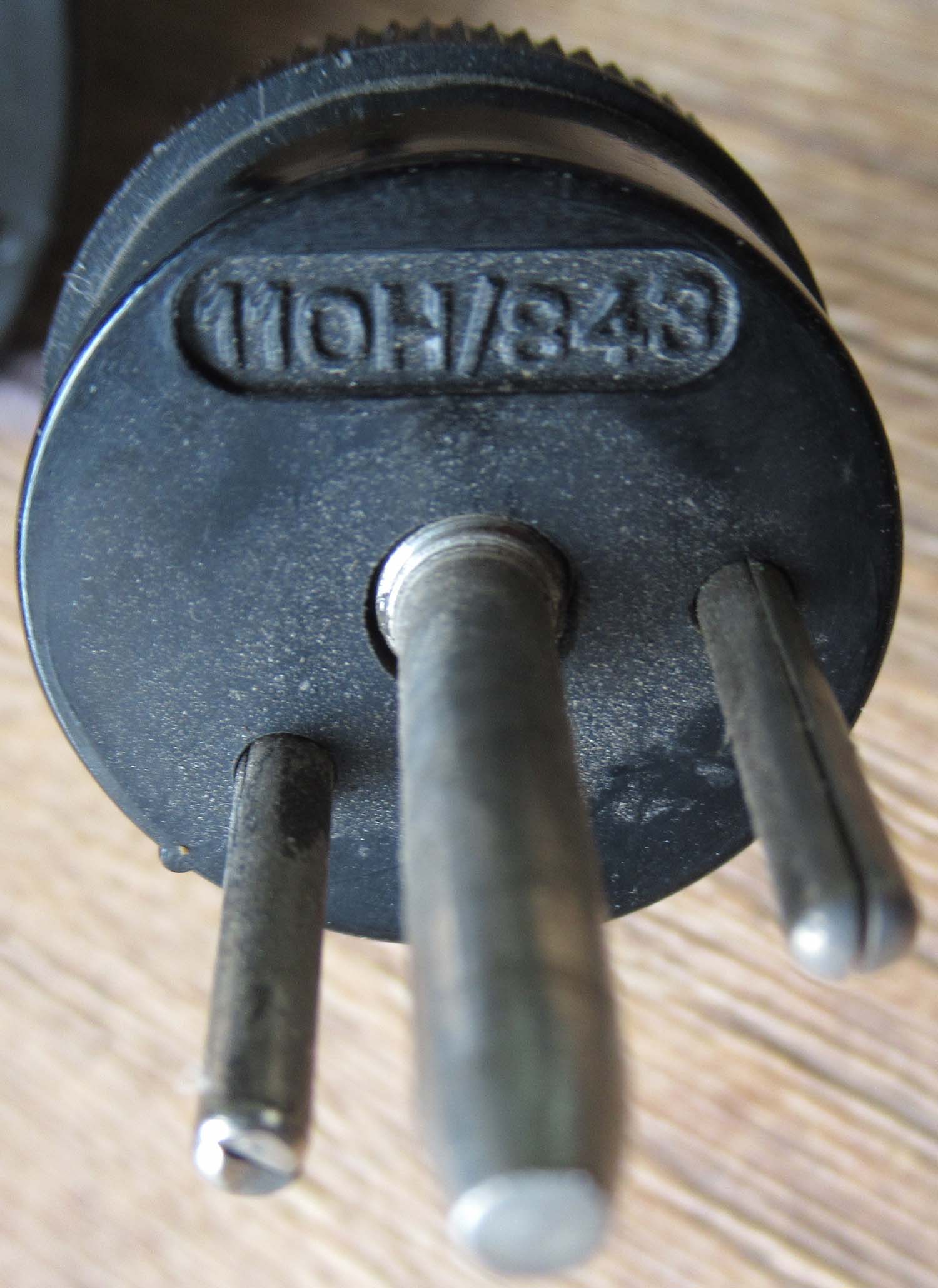
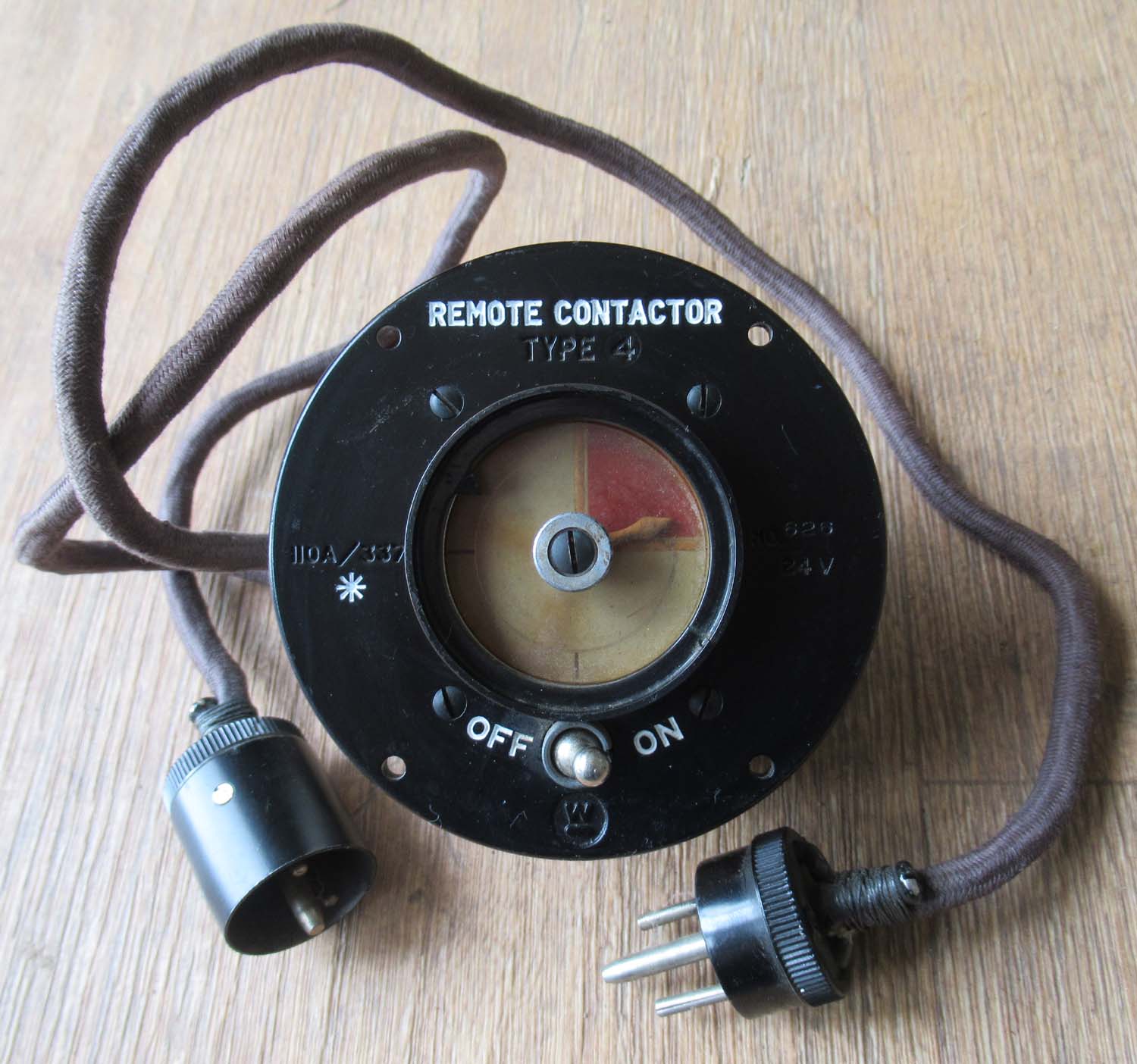
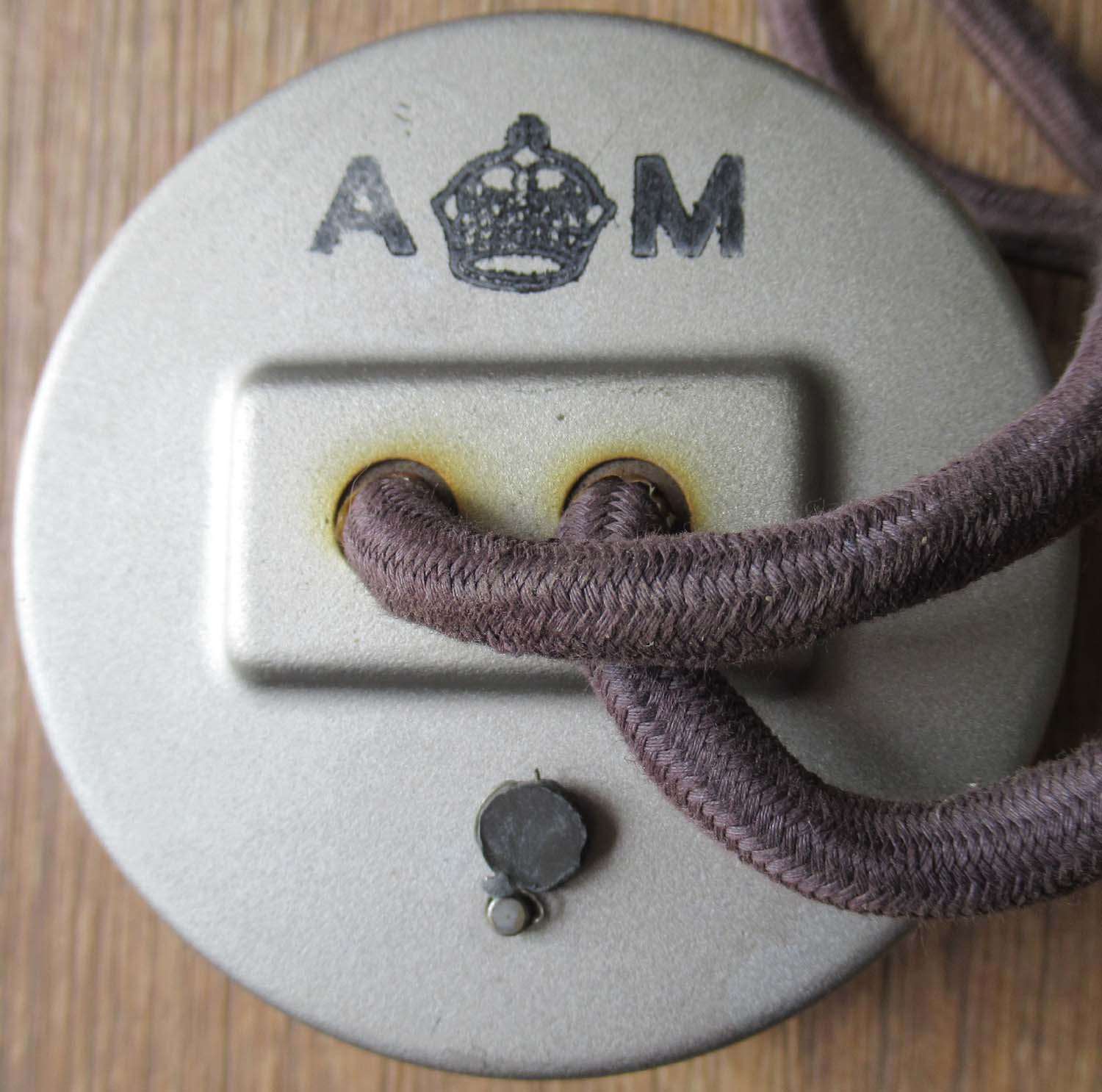
IFF Remote Contactor 3 Type 4 (No 19 pg1 Inst)

Click on pictures to enlarge them

 Remote contactor IFF system. (Identification Friend or Foe) Spitfires had these fitted to the top RHS of the cockpit.

The unit transmitted a signal for 15 secs out of every minute thus identifying this aircraft as friendly to the radar operators below. 

This enabled controllers to identify friend aircraft.

This is the 24 volt version.

110A/337   626

£295 now £75

Click on pictures to enlarge

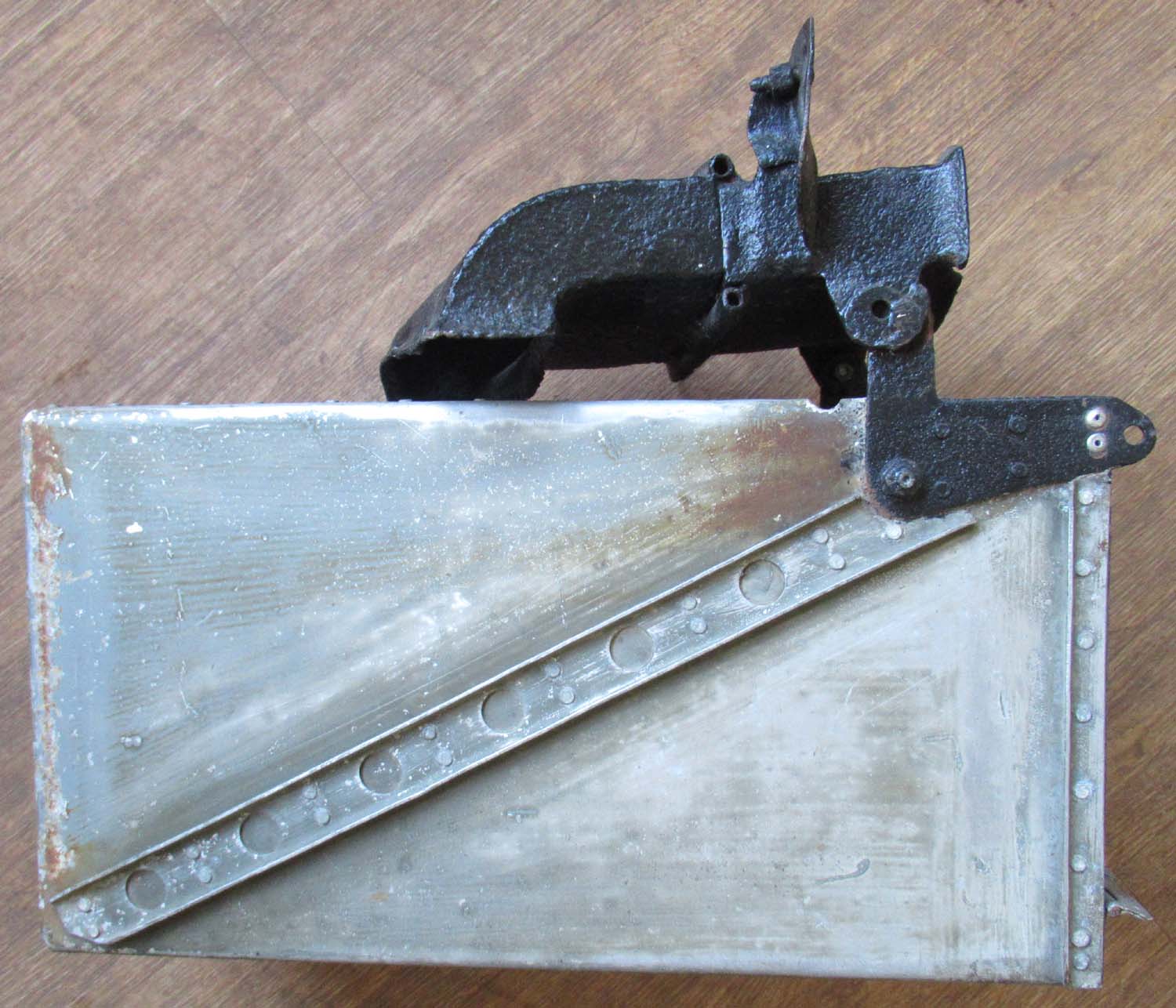
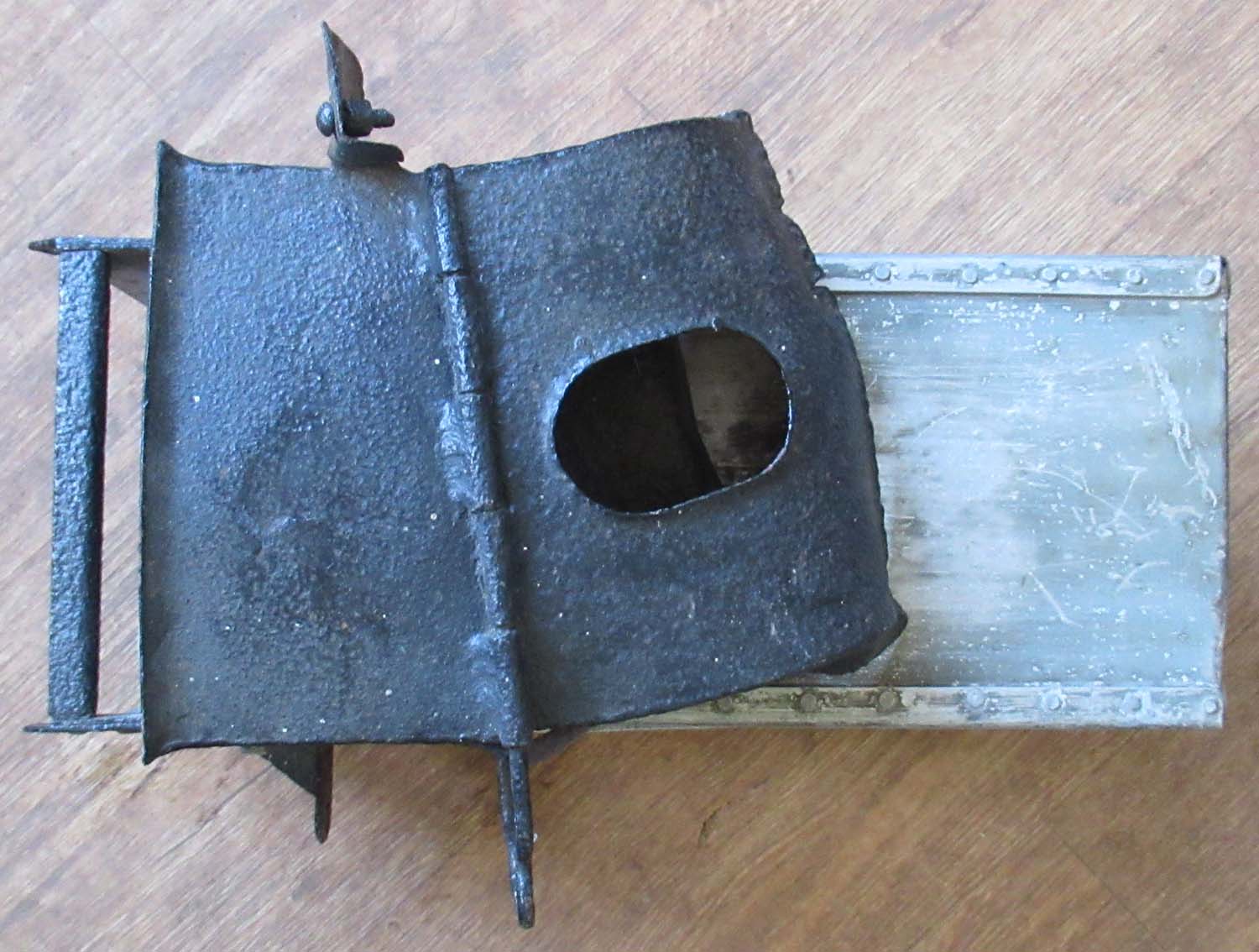
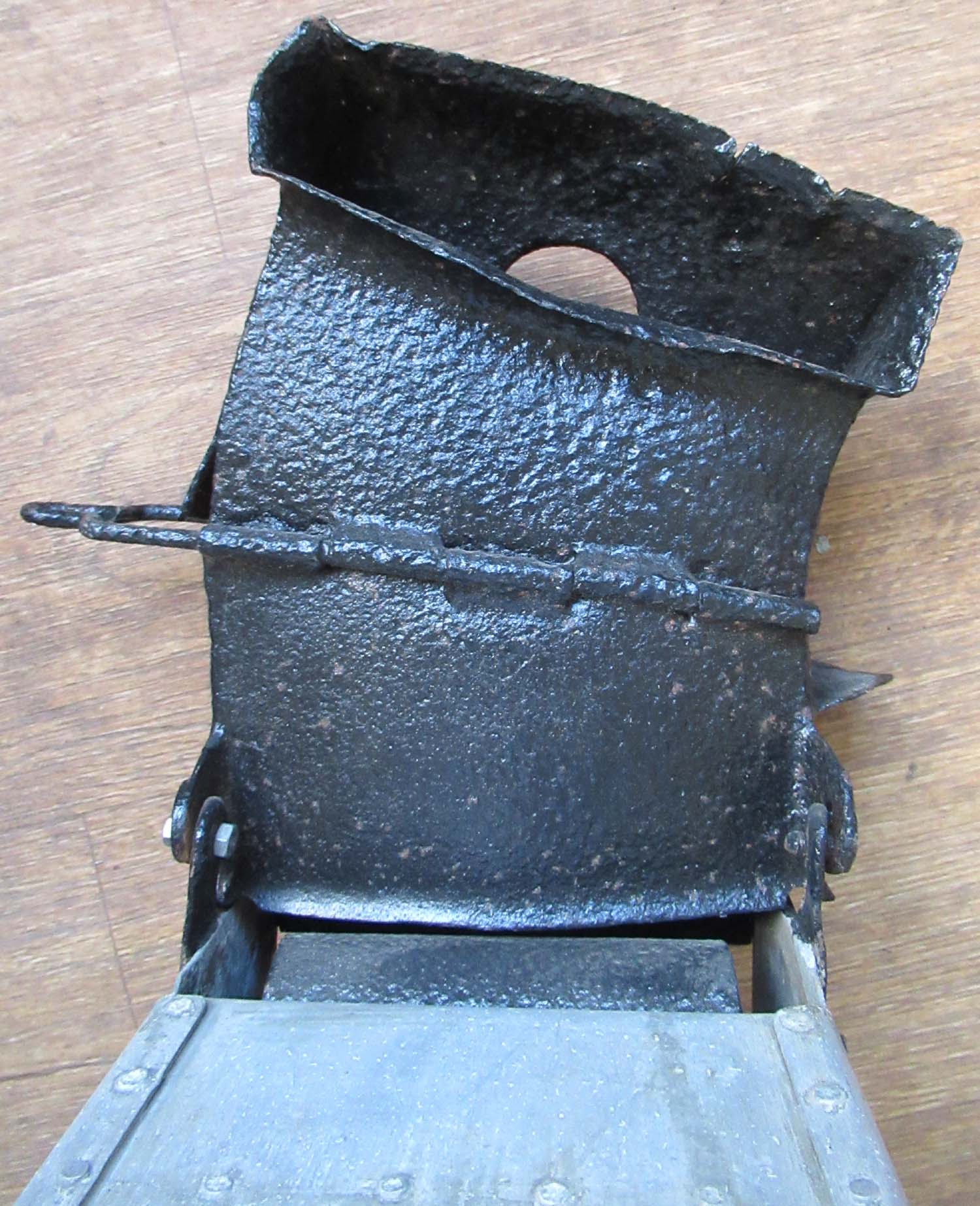
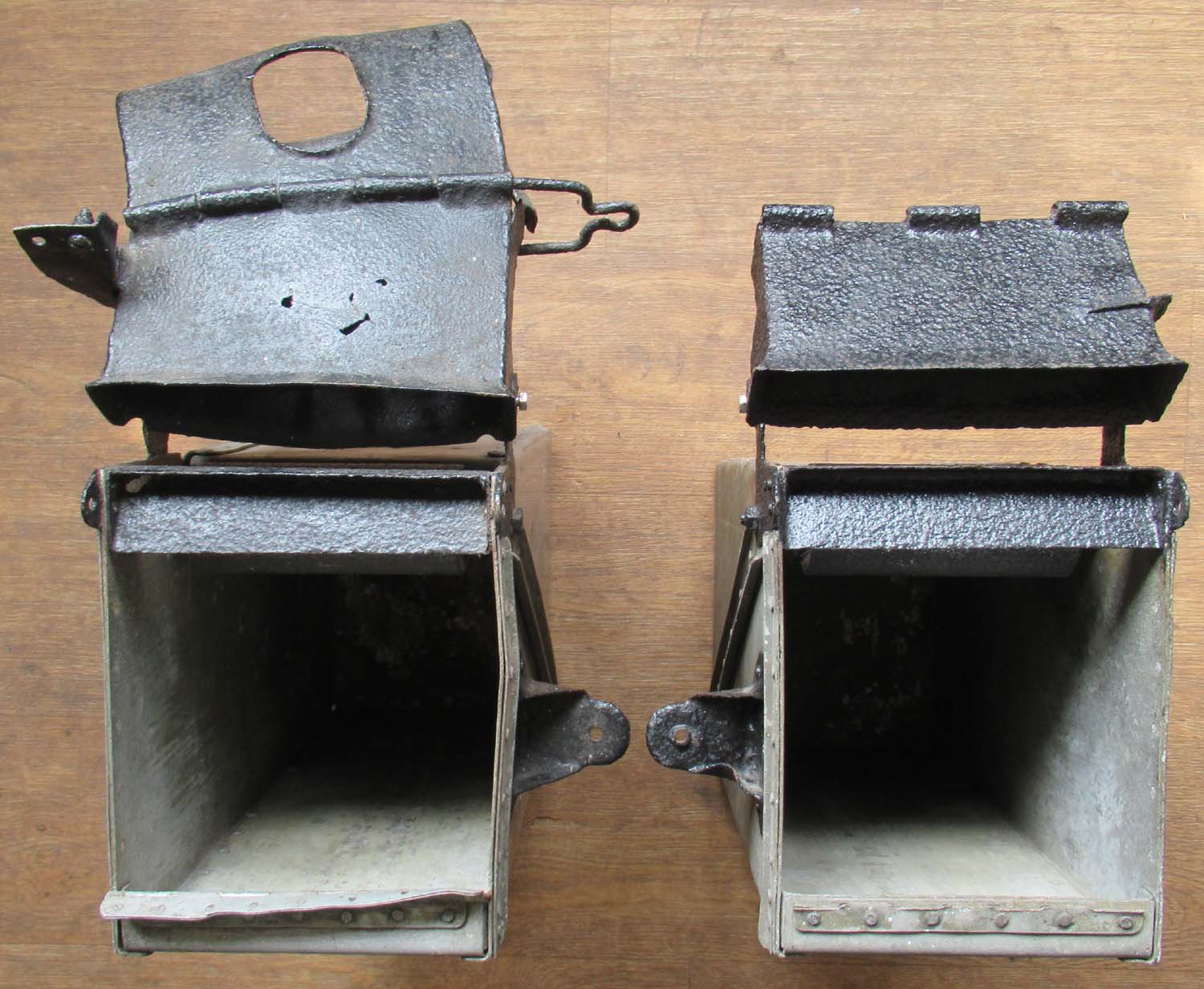
Pair of Hurricane Z5053 Cannon magazines - A and B (No 100 Pg1 Arm)

Now available at 44% off

Here we have a 20mm ammo boxes as fitted to Russian Hurricanes in good original condition, they work with with ShVAK 20mm Cannons. We have a cannon mount from this aircraft listed further up the page. This is the discounted offer for the pair.

Click on pictures to enlarge  


Click on picture to enlarge


£700 now £395 for the pair

Sorry sold

Click on pictures to enlarge

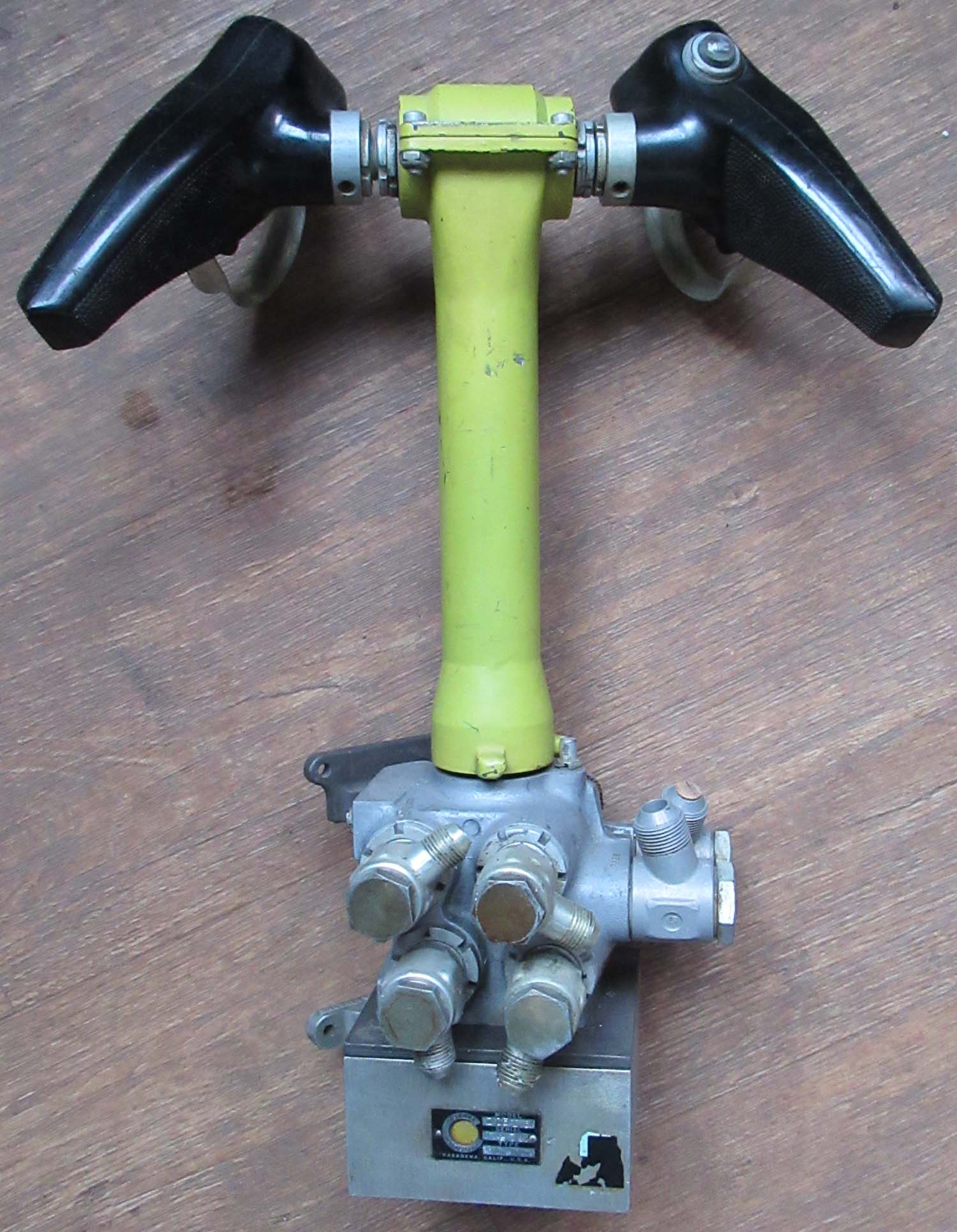
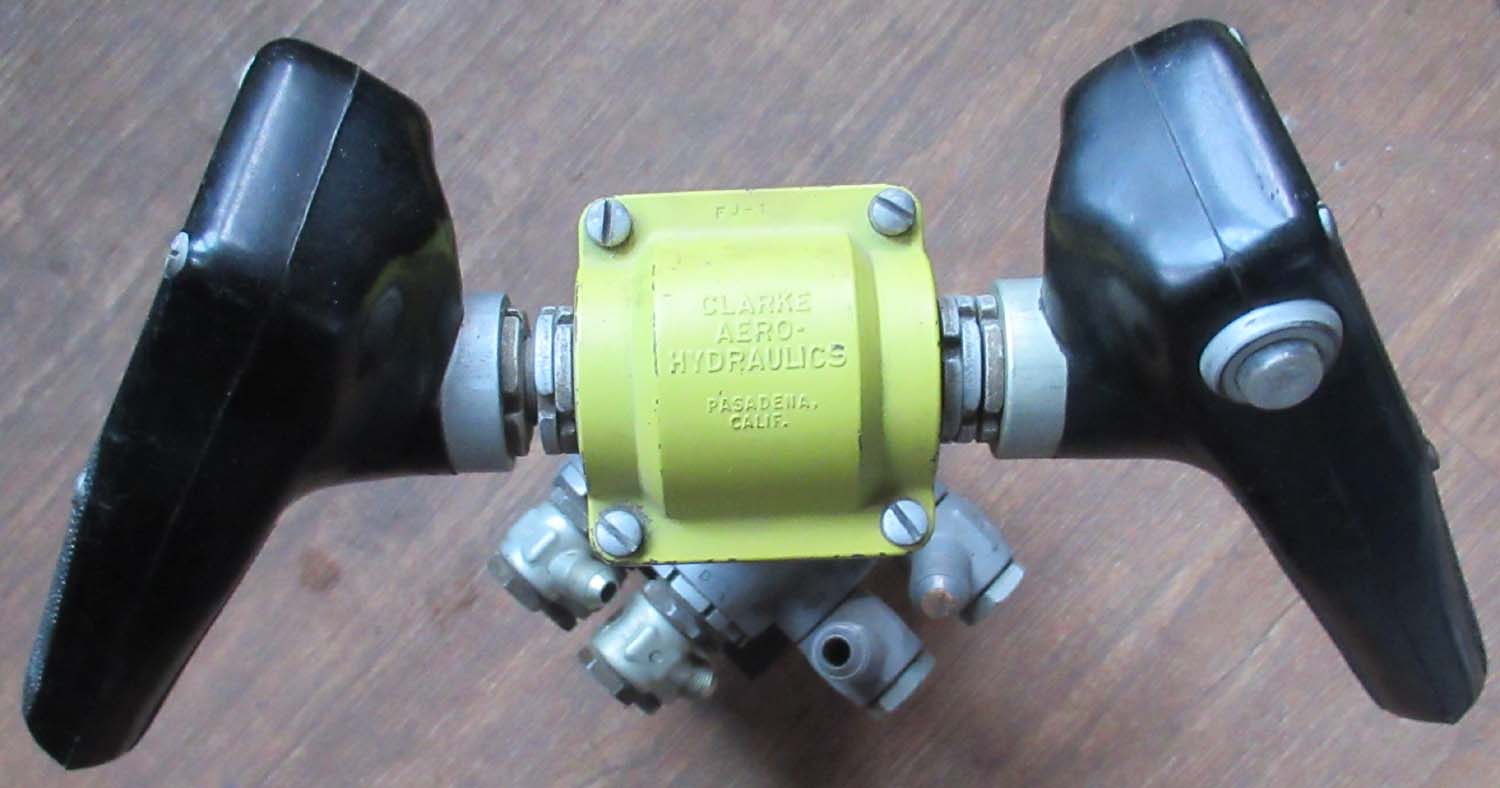
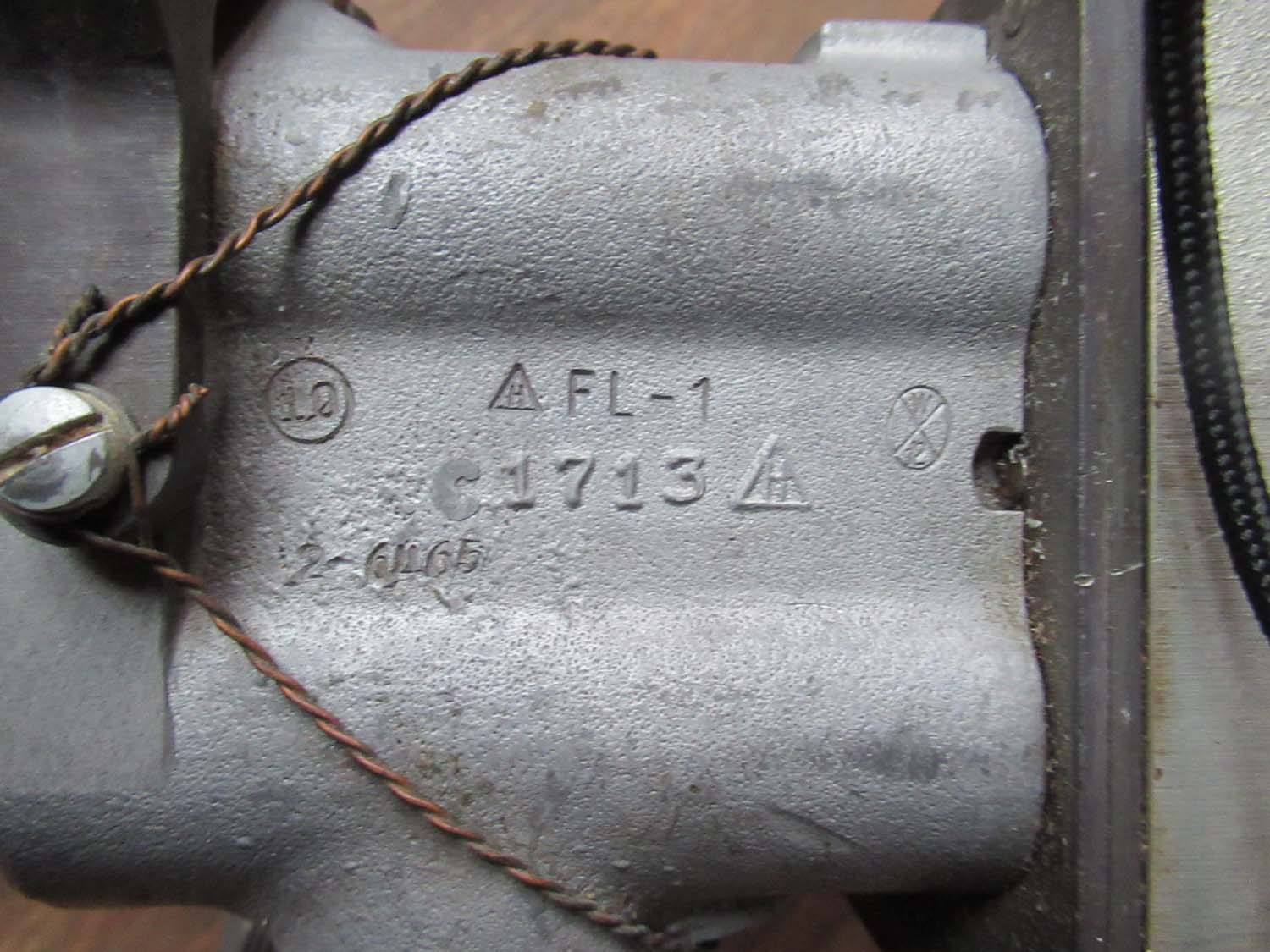
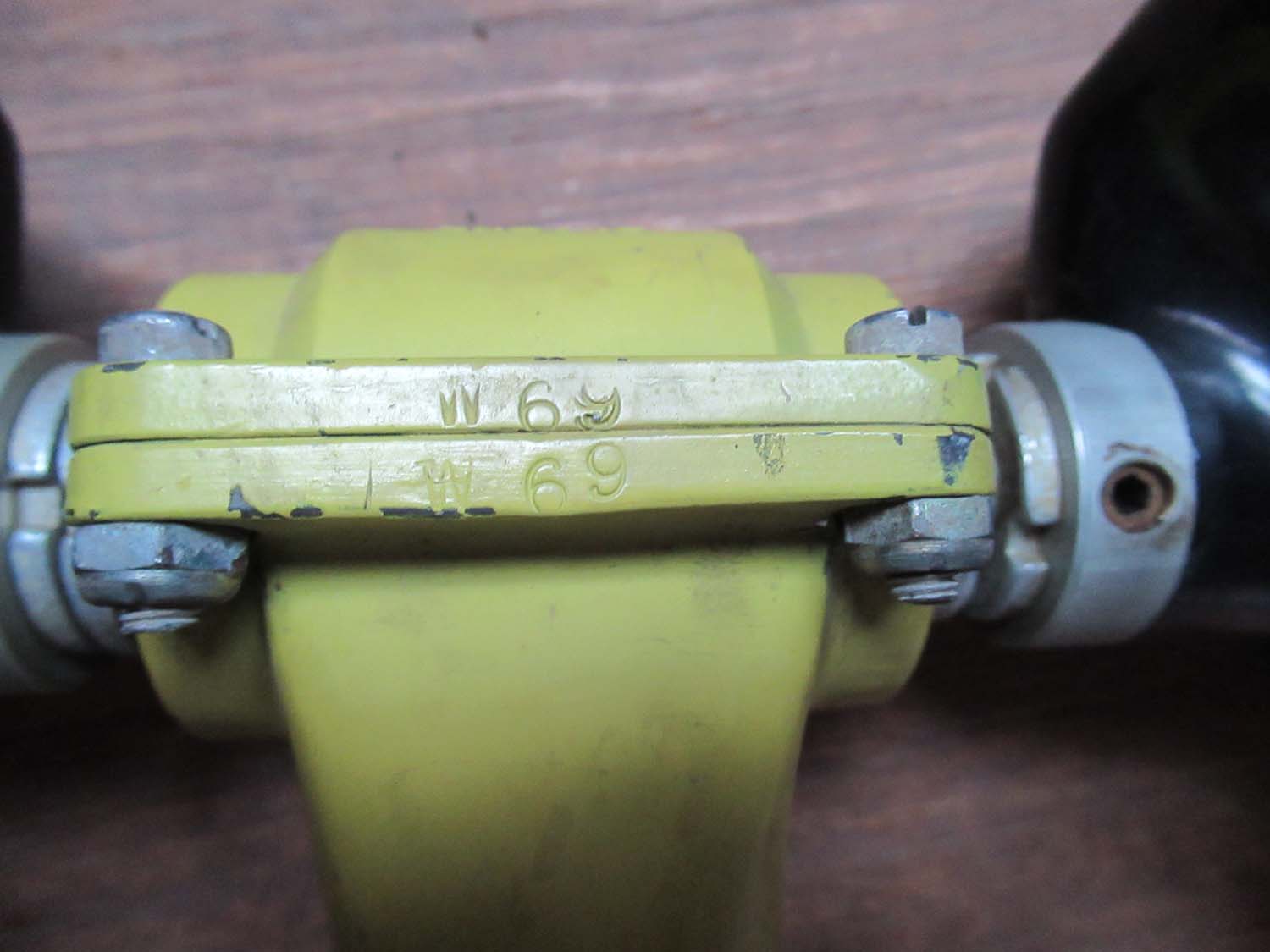
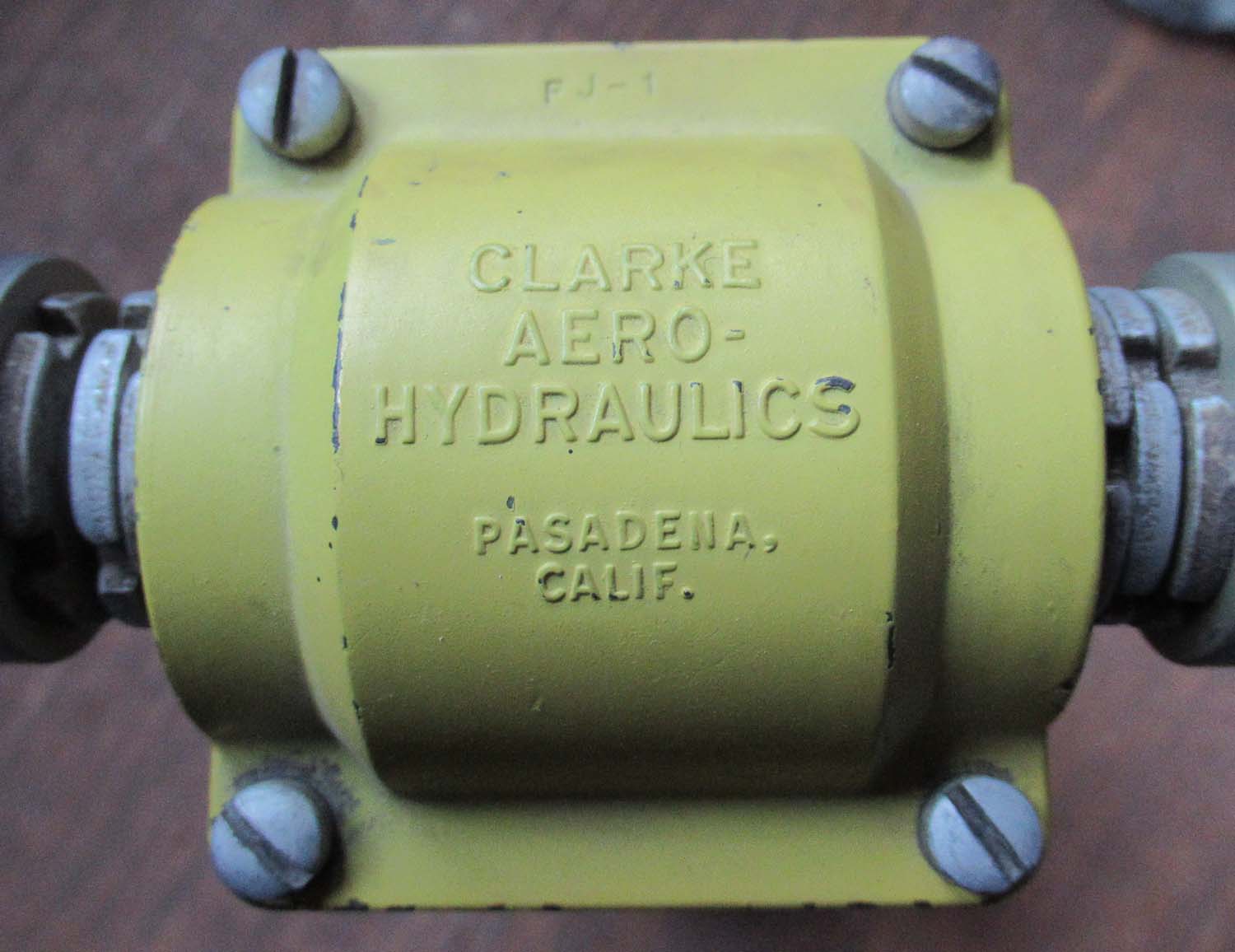
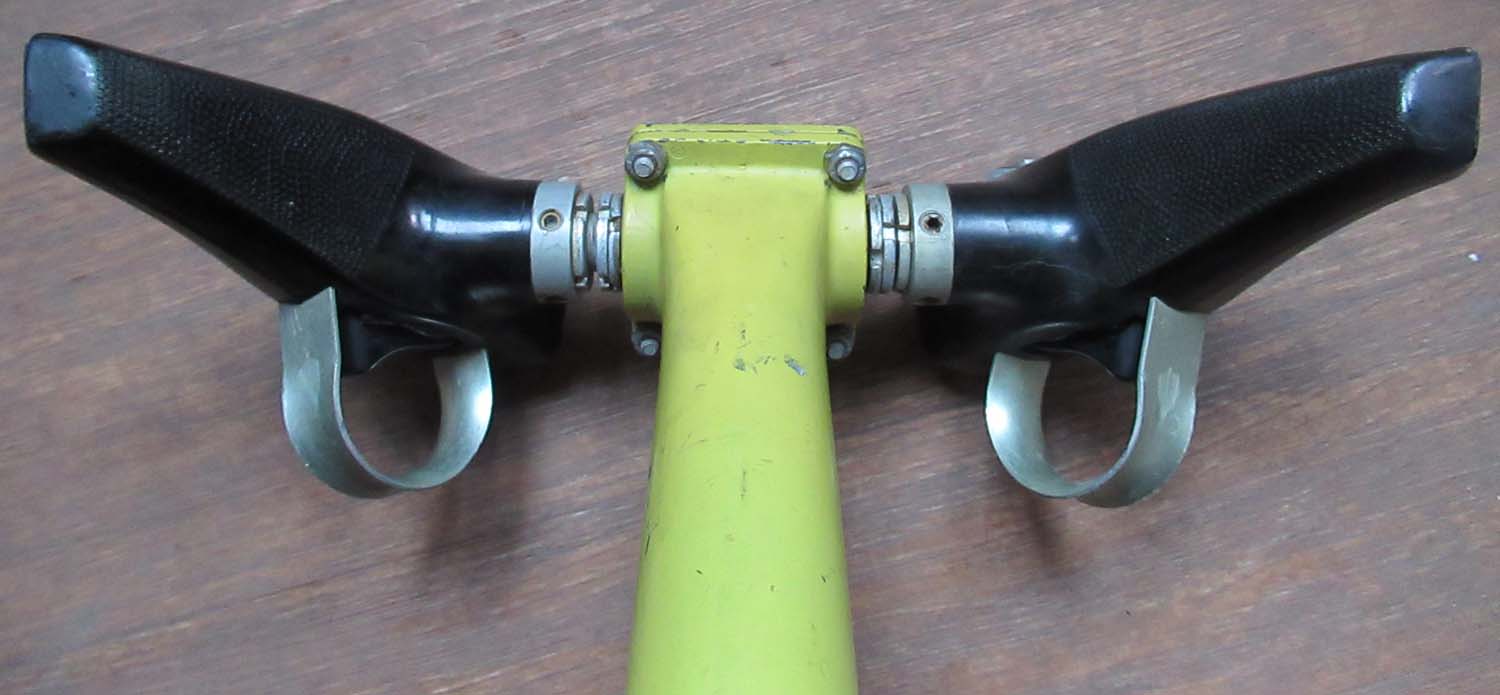
 B24 A6 Rear Turret Control (No 105 pg1 Arm)

Now available at 50% off

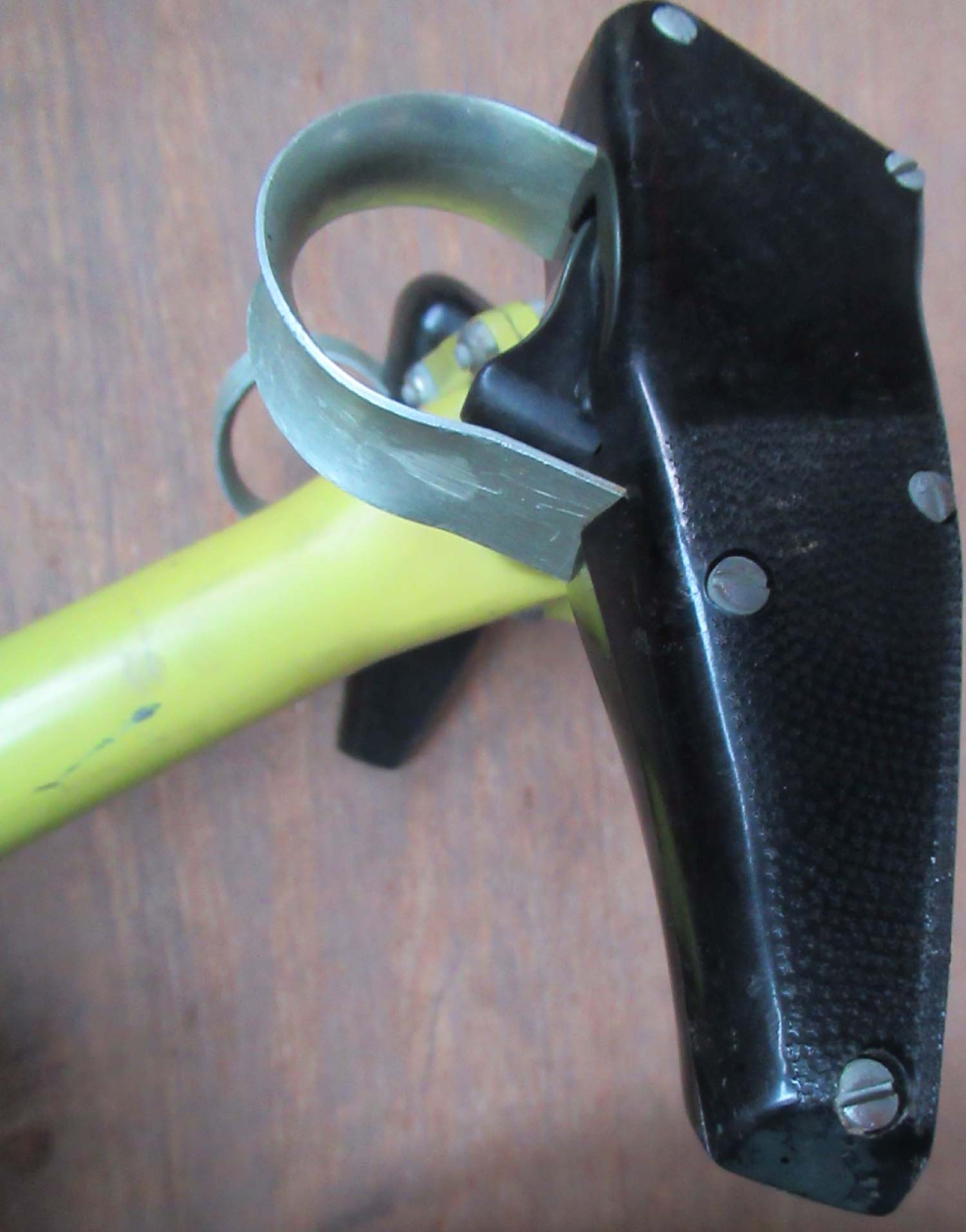
Here is the firing, rotation and elevation control from a A6 turret used in the B 24 Liberator.

Shown above the B24 Liberator

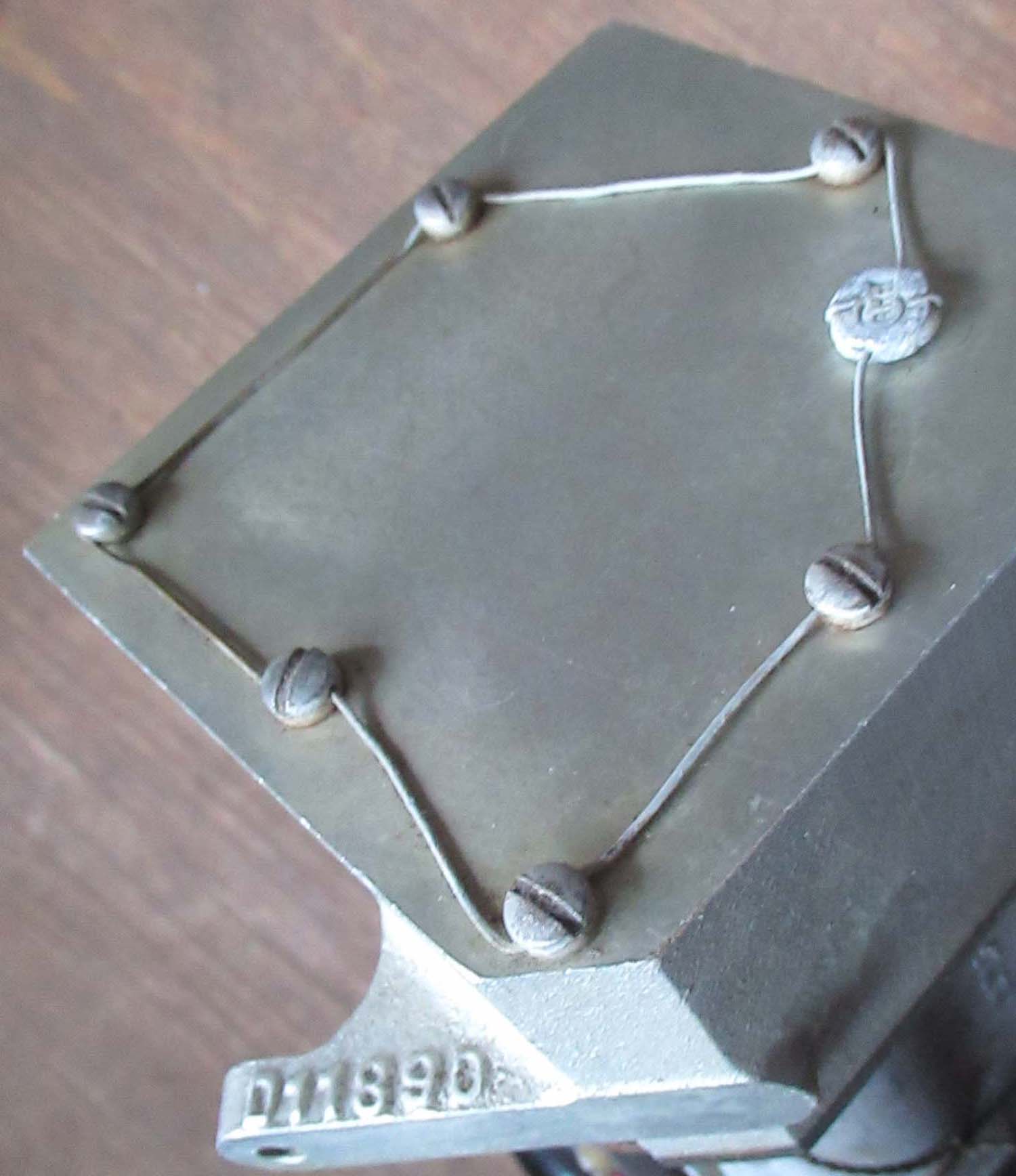
 Its condition can only be described as superb. It is 100% complete and original and is ready to be fitted straight into a turret.

The triggers operate and it rotates and twists as it should. Zero corrosion and it looks like it did straight out of the factory.

Click on pictures to enlarge


Sorry Sold

  More parts coming soon.


 © Copyright 2003.  SpitfireSpares.com.  All Rights Reserved.